
The Advantages of Aluminum Metal Ceilings in Modern Architecture
2024-08-09
Introduction
In the ever-evolving world of architecture and interior design, aluminum metal ceilings have emerged as a popular choice for both residential and commercial spaces. Known for their durability, versatility, and aesthetic appeal, aluminum ceilings offer a range of benefits that make them an excellent option for modern construction. In this blog, we’ll explore the key advantages of aluminum metal ceilings and why they are becoming a go-to solution for architects and designers.
Durability and Longevity
One of the most significant advantages of aluminum metal ceilings is their exceptional durability. Aluminum is a non-corrosive material, meaning it resists rust and degradation over time, even in environments with high humidity or exposure to moisture. This makes aluminum ceilings particularly well-suited for areas like kitchens, bathrooms, and outdoor spaces where other materials might fail.
Additionally, aluminum is lightweight yet strong, which means that ceilings made from this material can withstand the test of time without sagging or warping. The longevity of aluminum ceilings translates to lower maintenance costs and less frequent replacements, offering long-term savings for building owners.
Aesthetic Versatility
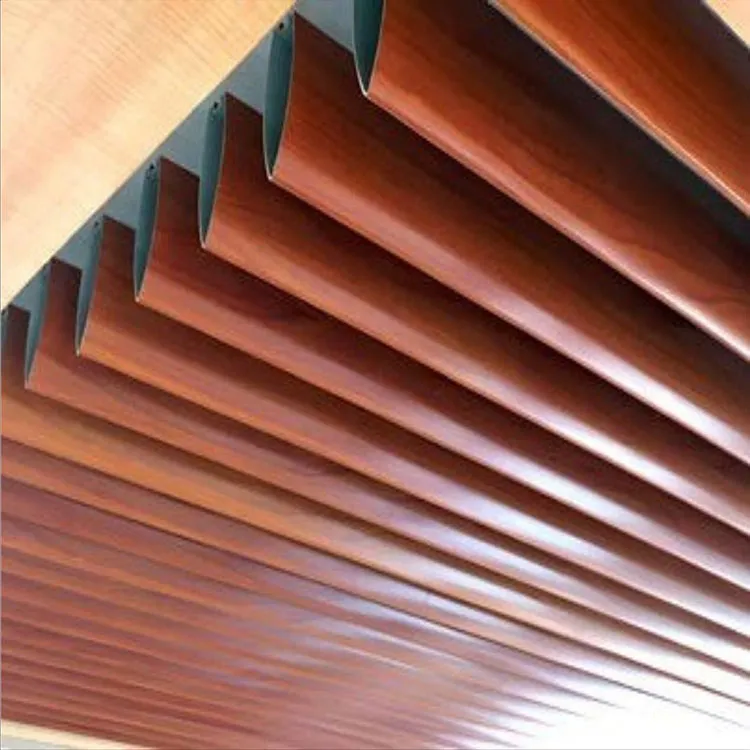
Aluminum metal ceilings offer a wide range of design options, allowing for a high degree of customization to suit various architectural styles and interior themes. Whether you’re looking for a sleek, modern finish or a more traditional look, aluminum ceilings can be fabricated in different shapes, sizes, colors, and patterns to meet your design needs.
From linear panels and tiles to complex geometric patterns and custom perforations, aluminum ceilings can be tailored to create unique and visually striking interiors. They can also be finished with different coatings, such as powder coating or anodizing, to enhance their appearance and provide additional protection against wear and tear.
Acoustic Performance
In commercial spaces, such as offices, schools, and auditoriums, controlling sound is a critical aspect of design. Aluminum metal ceilings can be engineered with perforations and acoustic backing to improve sound absorption and reduce noise levels. This makes them an ideal choice for creating comfortable environments where speech clarity and noise control are important.
By incorporating aluminum ceilings with acoustic properties, designers can achieve a balance between aesthetics and functionality, ensuring that spaces are both visually appealing and acoustically optimized.
Fire Resistance and Safety
Safety is a top priority in any building project, and aluminum metal ceilings offer excellent fire resistance. Aluminum does not burn, and when used in ceiling systems, it can help prevent the spread of fire and reduce the risk of toxic smoke emissions. This makes aluminum ceilings a safe choice for a variety of settings, including high-occupancy buildings like shopping malls, hospitals, and airports.
In addition to their inherent fire-resistant properties, aluminum ceilings can be integrated with fire-rated insulation materials to further enhance safety and comply with building codes and regulations.
Sustainability and Environmental Benefits
As sustainability becomes an increasingly important consideration in construction, aluminum metal ceilings stand out for their eco-friendly attributes. Aluminum is a highly recyclable material, and many aluminum ceilings are made from recycled content. This reduces the demand for raw materials and minimizes the environmental impact of production.
Moreover, the energy efficiency of aluminum ceilings can contribute to greener building designs. Their reflective surfaces can enhance natural light distribution, reducing the need for artificial lighting and lowering energy consumption.