

Vaginal Tightening Laser of Good Quality: How to Choose the Best Option
2026-10-30
As women increasingly prioritize intimate wellness, the demand for safe and effective vaginal tightening solutions has surged. Among the available options, laser technology stands out for its precision and minimal downtime—but not all devices deliver the same results. Choosing a high-quality vaginal tightening laser can be overwhelming, especially with countless suppliers claiming superiority. That’s why understanding key factors like wavelength, cooling systems, and clinical validation is essential before making an investment. In this guide, we’ll walk you through what to look for, and introduce a trusted name in the industry: GUANG TAI, a manufacturer known for advanced laser systems that meet rigorous standards. Whether you’re a clinic owner or a practitioner, the right choice can transform your practice—and your patients’ confidence.
Laser Types That Actually Deliver Results
Not all lasers are created equal, and the ones worth your time fall into a few distinct camps. Diode lasers, for instance, cut through hair with a wavelength that targets melanin deeply, making them a favorite for darker skin tones where older machines struggled. Meanwhile, fractional CO2 lasers rebuild skin texture by creating micro-injuries that trigger collagen without the brutal downtime of full resurfacing.
Then there are picosecond lasers, which shatter pigment particles into dust rather than heating them slowly — a game changer for stubborn tattoos and melasma that refused to fade with nanosecond technology. What separates the performers from the overhyped gadgets is consistency: the best lasers deliver predictable results because their wavelengths and pulse durations are matched to the target, not because they promise a miracle in one session.
If you're comparing options, ignore the marketing noise and ask about fluence, spot size, and cooling mechanisms. Those specs matter more than brand names. A well-calibrated 755 nm alexandrite laser will outperform a poorly tuned 1064 nm Nd:YAG every time, regardless of what the brochure claims.
Why Device Certifications Should Be Non-Negotiable
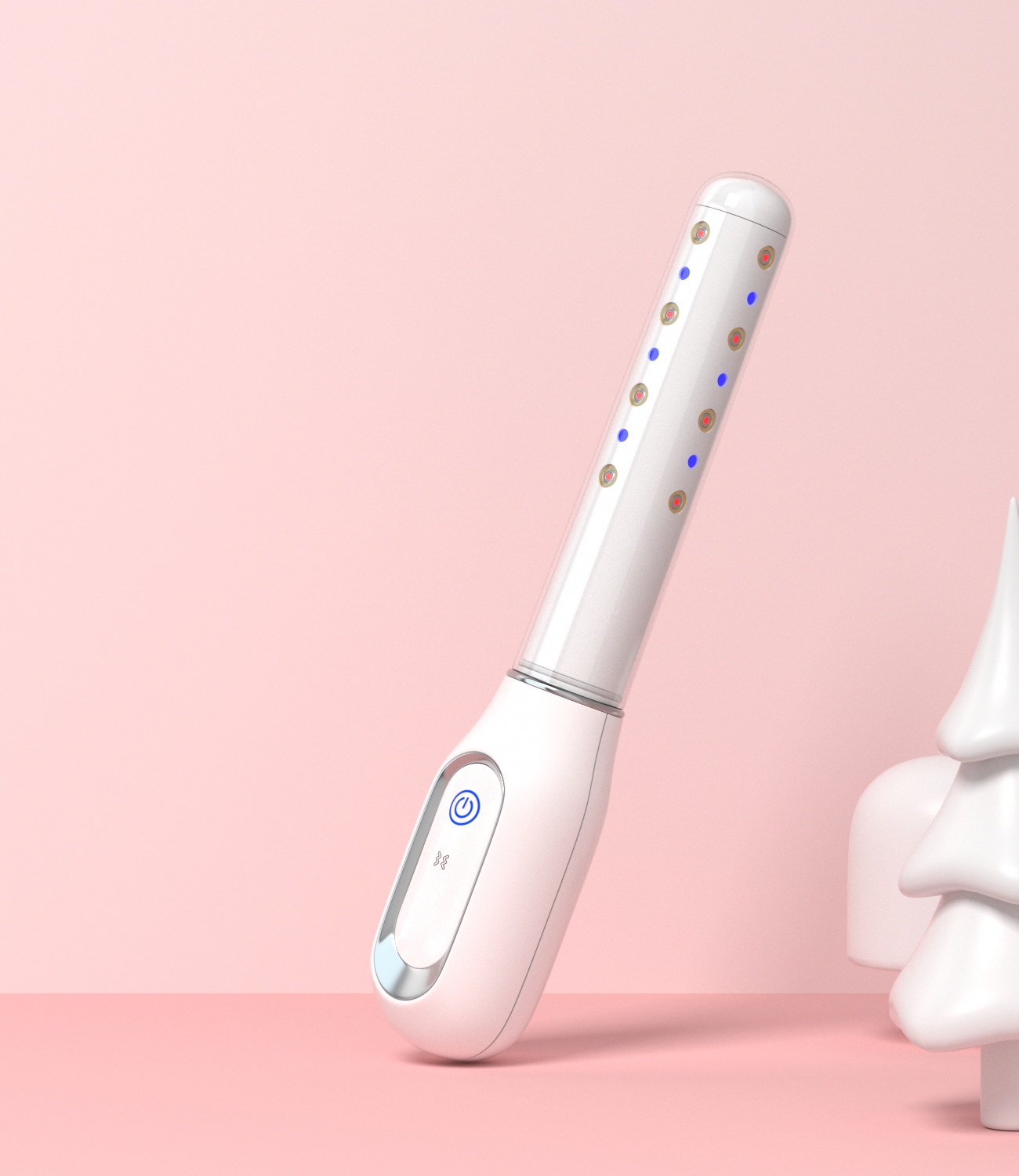
Hardware certifications are not just another compliance document—they are the only guarantee that a device will not disrupt adjacent radio bands or silently corrupt patient data. A hospital that deploys uncertified bedside monitors accepts a failure mode where a firmware race condition can freeze vital signs mid-surgery. Certification removes that risk by requiring independent validation of isolation and failover paths before the device ever reaches a rack.
Buyers who treat certification as an optional checkbox ignore how deeply it cuts into counterfeit risk. A certified radio module carries a bill of materials and test reports from the fabricator, so a swapped voltage regulator or a relabeled microcontroller cannot slip through unnoticed. Without that chain of custody, every scheduled maintenance becomes a bet against unknown silicon.
The hidden price of skipping certification appears during the first interoperability incident. A regional utility that installed uncertified smart meters once watched a frequency drift cascade into a blackout because those endpoints lacked the required tolerance tests. Making certification non-negotiable is not about red tape; it is about avoiding a seven-figure retrofit after the damage is done.
The Provider's Role: More Than Just Operating a Machine
Operating the ultrasound console is the easy part. A skilled provider reads between the grainy pixels, spotting subtle tissue changes that a novice might scroll past. They adjust gain, depth, and probe angle not by rote but by instinct, chasing the best acoustic window while mentally mapping anatomy in three dimensions. That split-second recognition of a suspicious shadow or a missing blood flow signal comes from years of pattern exposure, not a user manual.
Beyond the screen, the provider translates cold physics into warm patient care. They explain the jelly's chill before it touches skin, watch for a flinch that hints at hidden pain, and ask the one follow-up question that reshapes the whole differential. A rushed exam misses those cues; a thoughtful provider uses them to steer the transducer toward the real problem. The machine records data, but only the person holding the probe gathers context.
Staying sharp means more than logging scan hours. Good providers chase unusual cases, compare their read against surgical findings, and welcome second opinions when images get murky. They also maintain their equipment—knowing when a transducer crystal is failing or when the settings drift—because a poorly tuned machine undermines even the best bedside judgment. That blend of technical upkeep and honest self-review keeps the role far from button-pushing.
Comfort, Downtime, and What Recovery Really Looks Like
Recovery rarely follows the neat timeline we imagine. It's not a straight line from tired to rested, or from sore to strong. Some days feel like a step backward, and that's not failure—it's just the body negotiating with reality. Comfort in this context isn't about doing nothing; it's about giving yourself permission to pause without guilt, to let downtime be unproductive on purpose.
What recovery actually looks like is often boring. It's a short walk that doesn't raise your heart rate much, a nap that leaves you groggy for an hour, a meal you didn't plan but needed anyway. It's the absence of metrics. No rings closed, no streaks maintained, no pace to beat. Just the slow, unglamorous work of letting tissues mend and nerves quiet down.
The hardest part is trusting that this unremarkable process is enough. We're conditioned to see rest as a reward for effort, but in reality it's a prerequisite for any sustained effort at all. Comfort isn't the enemy of progress—it's the foundation. The sooner you stop performing recovery and start living it, the sooner you notice the difference in how your body and mind show up the next day.
Pricing Structures That Make Sense (and Those That Don't)
A pricing page that buries the actual cost behind three asterisks and a footnote is already losing trust. When customers have to decode per-seat fees, onboarding charges, and “premium support” add-ons just to guess their monthly bill, the structure has failed. Straightforward tiers with clear feature differences tend to outperform convoluted matrices, because buyers can quickly see what they're paying for and why.
Usage-based pricing works when the metric matches real value: charging per API call or per gigabyte stored feels fair because it scales with actual consumption. But the same model turns toxic when it punishes normal behavior, like a project management tool that bills per completed task or a CRM that charges extra for exporting contacts. Those structures create anxiety instead of alignment.
The rare pricing wins are the ones that make a buyer say, “That's exactly what I'd charge myself.” That usually means avoiding artificial scarcity, surprise renewal hikes, and “contact us for enterprise” walls that hide the number. A honest price ladder with a visible ceiling and no penalty for downgrading isn't just friendly—it's a competitive advantage.
Reading Between the Lines of Before-and-After Photos
Most people glance at a before-and-after photo and see only the obvious transformation—weight lost, muscle gained, a room renovated. But the real story often hides in the margins. Compare the posture in both images. A slouched shoulder in the “before” shot and a squared, slightly stiff pose in the “after” can reveal more about confidence than any physical change. Even the camera angle shifts: a lower angle in the second photo makes legs look longer, while softer lighting smooths over texture that might otherwise tell a different truth.
Look at what surrounds the person. In weight-loss transformations, the “after” photo frequently features form-fitting clothes, better lighting, and a clean, uncluttered background—all choices that amplify the visual difference. Sometimes the photos are taken moments apart, yet the second one benefits from a flexed muscle, a sucked-in stomach, or simply a change from harsh overhead light to flattering window light. These aren’t lies, but they are editorial decisions. Reading between the lines means asking what the photographer chose to leave out.
Facial expressions and small details offer another layer. A genuine smile reaches the eyes, while a forced one stays around the mouth—so if the “after” grin looks tight, the change might be more about performance than real satisfaction. Check for identical moles, scars, or jewelry placement; these anchors can confirm whether the two photos even show the same person at the same stage. And watch for subtle signs of fatigue or strain in the later shot, suggesting the transformation came at a cost the caption won’t mention.
FAQ
Look for a fractional CO2 or Er:YAG laser with proven thermal control. High-quality devices deliver energy in micro-columns, sparing surrounding tissue and prompting collagen contraction without excessive ablation. Cheaper units often lack precise depth settings, which raises the risk of burns or uneven results. Ask if the system has a built-in temperature sensor and whether the clinic tracks outcomes over time.
Ask about their specific training on the device, not just general laser experience. A competent provider should be able to explain how they adjust fluence, pulse duration, and stacking for different tissue thicknesses. They should also perform a pre-treatment pelvic exam and discuss your symptoms candidly. If they rely on glossy before-and-after photos rather than clinical reasoning, consider that a red flag.
Fractional CO2 (10,600 nm) and Er:YAG (2,940 nm) are the two most studied wavelengths for this purpose. CO2 tends to offer deeper remodeling with a bit more downtime, while Er:YAG is often described as gentler with quicker recovery. Within those categories, choose a brand with published clinical data and a solid service network. The brand name matters less than the provider's ability to use the settings appropriately.
Ask about the expected number of sessions, the interval between them, and what improvement is realistic for your specific concern. Request a clear explanation of pain management options, post-treatment restrictions, and when you can resume intercourse. Also ask how the clinic handles complications or unsatisfactory outcomes. If they can't give direct answers or push you toward a package without any assessment, walk away.
Most protocols call for three sessions spaced four to six weeks apart. The first session often produces a sensation of improved lubrication or mild firmness, but the structural changes from collagen remodeling build over two to three months after the series. Be wary of clinics promising dramatic tightening after a single visit—that's usually the result of temporary edema, not true tissue change.
Expect mild spotting, discharge, or a sensation similar to a mild sunburn for a few days. More serious risks include infection, scarring, or nerve irritation if the settings are too aggressive. Good-quality lasers reduce these risks with controlled depth and cooling, but no procedure is zero-risk. A thorough consultation should include a discussion of your hormonal status, especially if you are postmenopausal or using local estrogen therapy.
Price differences usually reflect the device generation, maintenance costs, and provider expertise—not just marketing. A clinic running an older or poorly calibrated machine may charge less because the results are less predictable and the equipment has higher per-use costs. Ask what the quoted fee includes: assessment, the procedure itself, follow-up visits, and any touch-up sessions. A slightly higher price with transparent aftercare is often better value than a low-cost package with no accountability.
Conclusion
Choosing a genuinely effective vaginal tightening laser starts with separating hype from hardware. Fractional CO2 and Erbium:YAG platforms have the most robust clinical backing for collagen remodeling and mucosal rejuvenation, but not every device bearing those labels performs equally. Look for proven pulse parameters, controlled thermal depth, and real-world longevity—cheap imitations often underdeliver energy or overpromise on a single session. Equally critical is certification: FDA clearance or CE marking isn't a rubber stamp, it's your baseline safety net. Insist on seeing the exact device model's approval, not just the manufacturer's overall reputation. Yet even the best machine fails in careless hands. A skilled provider does more than push a button; they assess vaginal atrophy, prolapse grade, and hormonal status before recommending treatment, adjust settings to tissue thickness, and recognize when laser isn't the right answer at all. Ask how many procedures they've performed on your specific device, not just how many they've sold.
Recovery realities matter more than glossy promises. Most women return to work within a day or two, but expect mild discharge, swelling, or temporary dryness for up to a week—any clinic claiming zero downtime or instant tightness is selling fantasy. Comfort during the procedure should come from topical anesthetic and a gentle technique, not from numbing creams that mask unsafe energy levels. Pricing should be transparent: a single session typically ranges from $800 to $1,500, but beware of 'too good to be true' packages that lock you into excessive treatments before you've seen results. Legitimate providers charge per session or offer a clear three-session plan with reassessment, never endless prepaid bundles. Finally, scrutinize before-and-after photos ruthlessly. Look for consistent lighting, same camera angle, and unretouched tissue appearance. If every image shows a perfectly smooth, pink, symmetrical result, you're viewing marketing, not medicine. Ask for patient testimonials you can actually contact, and trust providers who show modest, honest improvement over dramatic transformations.
Contact Us
Contact Person: Manager Mei
Email: [email protected]
Tel/WhatsApp: +8618627866609
Website: https://zzgt.en.alibaba.com/