

Top Reduction Mill Techniques for Perfect Round Wire Manufacturing
2026-02-12
Welcome to the intricate world of precision wire manufacturing, where achieving the perfect round wire is both an art and a science. In this blog post, we delve deep into the top reduction mill techniques that set the benchmark for flawless wire production. Whether you're an industry veteran or a curious newcomer, you'll discover innovative strategies that can elevate your manufacturing processes. Our exploration is inspired by the expertise of GRM, a leader in rolling mill solutions, whose cutting-edge approaches are revolutionizing how we shape and refine wire. Get ready to uncover secrets that combine traditional craftsmanship with modern technology, promising to spark your interest and optimize your operations. Let's embark on this technical journey together, where every detail counts toward achieving perfection.
Essential Steps in Precision Wire Drawing for Round Wire
Precision wire drawing for round wire involves a series of carefully orchestrated processes to transform raw material into high-quality wire with consistent dimensions and properties. The journey begins with proper material selection and preparation, where factors like alloy composition and surface condition are thoroughly evaluated to ensure optimal drawability. Next, the wire is typically cleaned and coated with a lubricant to reduce friction during drawing, a step critical for maintaining surface integrity and preventing defects.
During the actual drawing phase, the wire is pulled through a series of progressively smaller dies, each designed to gradually reduce its diameter while preserving its round shape. This stage requires precise control over parameters such as drawing speed, tension, and die geometry to achieve the desired tolerances. Advanced systems often incorporate real-time monitoring and feedback mechanisms to adjust these variables on the fly, enhancing precision and reducing waste.
Post-drawing treatments, such as annealing or stress-relieving, are frequently applied to restore the wire's mechanical properties and improve its performance in final applications. Throughout the entire process, quality checks—including dimensional measurements and surface inspections—are conducted to ensure the wire meets stringent specifications. This holistic approach, blending technical expertise with modern machinery, allows manufacturers to produce round wire that excels in demanding sectors like medical devices, aerospace, and electronics.
Advanced Calibration Methods for Optimal Diameter Consistency
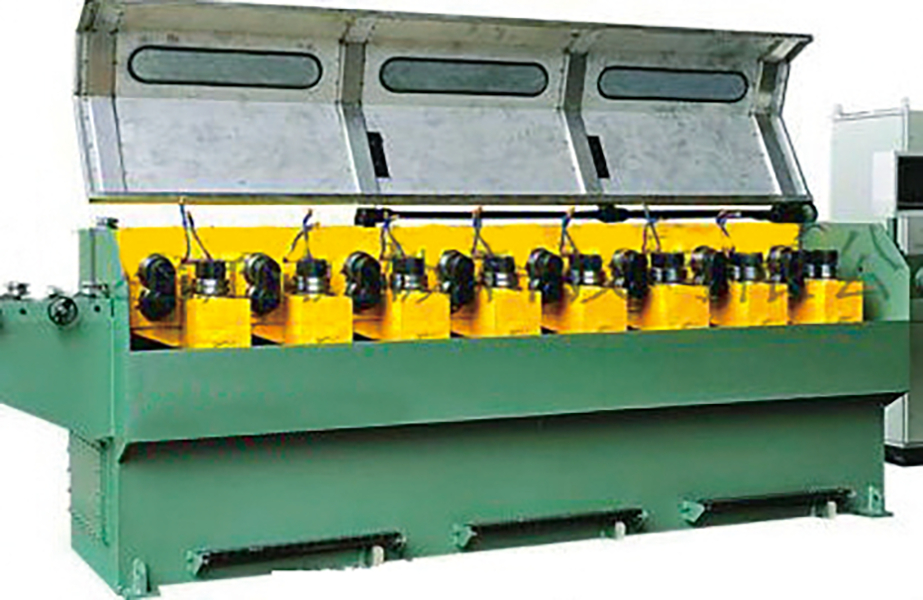
Maintaining precise diameter consistency across manufacturing runs requires more than just standard calibration checks. Advanced methods leverage real-time monitoring systems with high-resolution sensors that capture micro-variations during production. By integrating machine learning algorithms, these systems can predict deviations before they become significant, allowing for immediate adjustments. This proactive approach reduces waste and ensures each product meets tight tolerances, even in high-volume settings where traditional methods might fall short.
Another key technique involves the use of laser interferometry for non-contact measurement, which eliminates the risk of surface damage or distortion common with mechanical tools. This method provides exceptionally accurate data on diameter fluctuations, enabling operators to fine-tune equipment dynamically. Coupled with automated feedback loops, it creates a closed-loop system that continuously optimizes performance, leading to superior consistency without manual intervention. This is particularly valuable in industries like aerospace or medical devices, where even minor inconsistencies can compromise functionality.
Additionally, adopting a multi-sensor fusion strategy enhances reliability by cross-referencing data from different measurement points. This approach mitigates errors from any single sensor and provides a comprehensive view of diameter trends. By combining thermal compensation to account for material expansion and advanced statistical process control (SPC), manufacturers can achieve optimal consistency that sets their products apart in competitive markets. Emphasizing these nuanced methods not only improves quality but also builds a reputation for precision that customers trust.
Key Maintenance Practices to Extend Mill Tool Life
Regular maintenance is essential for maximizing the lifespan of mill tools, as it helps prevent premature wear and failure. Key practices include routinely cleaning tools after use to remove built-up chips and coolant residues, which can cause corrosion and reduce cutting efficiency. Additionally, inspecting tools for signs of damage, such as cracks or dull edges, allows for timely replacement or sharpening, avoiding costly downtime and ensuring consistent machining quality.
Proper storage and handling also play a crucial role in extending tool life. Storing tools in a dry, temperature-controlled environment protects them from moisture and rust, while using dedicated racks or holders prevents accidental damage from impacts. Handling tools with care during setup and removal minimizes stress on cutting surfaces, preserving their geometry and performance over multiple operations.
Optimizing machining parameters, such as feed rates, speeds, and coolant application, can further enhance tool longevity. By adjusting these settings based on material type and tool specifications, operators reduce excessive heat generation and vibration that accelerate wear. Regularly monitoring tool performance through data analysis or visual checks helps fine-tune parameters for optimal efficiency, ensuring tools operate within their designed capabilities and last longer.
Innovative Cooling Systems for Enhanced Wire Surface Quality
Modern manufacturing demands increasingly precise control over wire production to ensure optimal surface quality, which directly impacts performance in applications ranging from electronics to construction. Innovative cooling systems have emerged as a game-changer, moving beyond traditional methods like air or water quenching that can cause inconsistent cooling rates and surface defects. By leveraging advanced technologies such as cryogenic cooling, where wires are exposed to ultra-low temperatures using liquid nitrogen, or hybrid systems combining multiple cooling mediums, manufacturers achieve more uniform temperature gradients during the formation process. This uniformity reduces issues like oxidation, scaling, and micro-cracking, resulting in a smoother, more durable surface that meets stringent industry standards for reliability and longevity.
Beyond just temperature management, these systems integrate smart sensors and real-time monitoring to adapt cooling parameters dynamically based on wire composition and production speed. For instance, in the drawing of high-strength steel wires, rapid cooling can be precisely timed to enhance metallurgical properties without compromising surface integrity. This tailored approach not only minimizes waste but also boosts efficiency, as wires cool faster and more consistently, reducing the need for secondary finishing steps. The enhanced surface quality translates to better conductivity, corrosion resistance, and aesthetic appeal, giving end-products a competitive edge in markets where quality is paramount.
Moreover, sustainability is a key driver behind these innovations, as newer cooling systems often employ closed-loop designs that recycle cooling fluids, cutting down on water usage and environmental impact. By prioritizing both surface enhancement and eco-friendliness, manufacturers are setting new benchmarks in wire production. Ultimately, these advancements underscore how targeted cooling solutions are not just add-ons but integral components that elevate wire quality, driving forward industries reliant on superior materials.
Efficient Material Handling Techniques in Wire Production
In wire manufacturing, streamlining material flow from raw coils to finished products can dramatically reduce costs and boost throughput. Implementing automated guided vehicles (AGVs) for transporting heavy spools minimizes manual lifting, cuts down on workplace injuries, and keeps production lines moving smoothly without bottlenecks. For instance, integrating smart conveyor systems that adjust speed based on real-time demand ensures that materials are delivered precisely when needed, avoiding unnecessary stockpiling and reducing waste.
Advanced sorting and tracking technologies, such as RFID tags on wire reels, allow for real-time inventory management and traceability throughout the facility. This enables operators to quickly locate specific batches, monitor usage patterns, and optimize storage layouts to minimize handling time. By adopting lean principles like just-in-time delivery, factories can further enhance efficiency by reducing idle materials and freeing up valuable floor space for core production activities.
Beyond machinery, training staff on ergonomic handling techniques and regular maintenance of equipment prevents downtime and ensures consistent material flow. Customizing handling solutions to different wire types—whether delicate copper strands or robust steel cables—tailors the process to specific needs, enhancing overall productivity. Embracing these strategies not only streamlines operations but also improves product quality by minimizing handling-induced defects, giving companies a competitive edge in fast-paced markets.
Quality Control Strategies for Defect-Free Round Wire
For fabricators aiming to deliver round wire with a flawless finish, implementing targeted quality control strategies is essential to tackle potential flaws like surface scratches, dimensional inconsistencies, or material impurities. A robust framework might include real-time monitoring systems that scan for surface imperfections as the wire emerges from the drawing process, combined with periodic checks on tensile strength and ductility to ensure mechanical integrity. By catching defects early, manufacturers can minimize waste, reduce rework costs, and maintain consistent performance standards, which is particularly crucial for applications demanding high reliability, such as in aerospace or medical device manufacturing.
In practice, many operators focus on integrating automated vision inspection tools that adapt to varying wire diameters, enabling precise detection of irregularities without halting production lines. This approach allows for immediate adjustments in drawing parameters or lubrication methods to address emerging issues. Additionally, maintaining a clean environment and using high-quality raw materials—like certified alloys with low impurity levels—can prevent inherent defects from the start, supporting a proactive rather than reactive quality stance.
To truly stand out, some producers adopt predictive analytics, leveraging historical data to forecast potential defect patterns and adjust processes preemptively. This dynamic strategy not only enhances defect prevention but also fosters continuous improvement, ensuring that round wire meets stringent specifications for critical uses, from automotive components to electrical wiring, without compromising on safety or efficiency.
FAQ
Top reduction mill techniques aim to refine the round wire's shape and surface finish by precisely controlling the reduction process at the final stages of production, ensuring consistent diameter and minimal defects for applications like electrical wiring and precision engineering.
Unlike traditional methods that might focus on bulk reduction, top reduction techniques typically involve specialized mills, such as advanced drawing or finishing stands, to apply targeted pressure and heat management, resulting in improved roundness and mechanical properties with less material waste.
A typical setup includes precision rollers or dies for controlled deformation, tension control systems to prevent wire breakage, cooling mechanisms to manage temperature during reduction, and measurement tools like laser micrometers for real-time diameter monitoring and adjustment.
These techniques offer enhanced dimensional accuracy, superior surface quality, increased production speed, and better control over wire properties like tensile strength and ductility, which can lead to cost savings and higher product reliability in competitive markets.
Challenges include the high initial investment for advanced equipment, the need for skilled operators to handle complex adjustments, potential issues with material consistency or lubrication, and maintaining process stability across different wire grades and sizes.
Materials like copper, aluminum, and various steel alloys, especially those used in high-precision or high-conductivity applications, see significant improvements as these techniques minimize surface oxidation and internal stresses, enhancing overall performance.
By reducing material waste through precise control and potentially lowering energy consumption with optimized processes, these techniques can contribute to more sustainable manufacturing, though specific impacts depend on factors like recycling practices and energy sources used in the facility.
Conclusion
In the realm of perfect round wire manufacturing, mastering top reduction mill techniques is pivotal for achieving precision and consistency. Essential steps in precision wire drawing form the foundation, where careful control of draft sequences and die angles ensures minimal material stress and uniform elongation. Complementing this, advanced calibration methods play a crucial role in maintaining optimal diameter consistency, utilizing laser micrometers and feedback systems to monitor and adjust processes in real-time. This integration of drawing and calibration minimizes deviations, resulting in wires that meet stringent dimensional tolerances essential for high-performance applications like aerospace or electronics.
Beyond initial shaping, sustaining quality requires a holistic approach. Key maintenance practices extend mill tool life by implementing regular inspections and predictive maintenance schedules, reducing downtime and cost overruns. Innovative cooling systems further enhance wire surface quality, employing tailored quenching or air-cooling to prevent oxidation and surface defects. Efficient material handling techniques streamline production flow, from coil loading to spooling, minimizing waste and contamination. Finally, robust quality control strategies ensure defect-free round wire through non-destructive testing and statistical process control, embedding reliability into every stage. Together, these aspects coalesce to elevate manufacturing from mere production to an art of precision, delivering flawless wires that drive innovation in industries worldwide.
Contact Us
Contact Person: Rayna
Email: [email protected]
Tel/WhatsApp: 86 -173 1474 6343
Website: https://www.grmrollingmill.com/