

Top Energy Saving HVAC Systems for Efficient Home Comfort
2026-10-24
Your HVAC could be the biggest energy drain in your home—but it doesn't have to be. The newest energy-saving systems don't just cut utility bills; they fine-tune comfort room by room, season by season. Whether you're replacing an aging unit or planning a new build, the key is knowing which technologies actually pay off. At Tongbaote, we focus on solutions that balance efficiency and real-world performance. Here's a look at the top energy-saving HVAC systems worth considering for a more comfortable, cost-effective home.
Smart Thermostats That Learn Your Routine and Trim Waste
A smart thermostat that learns your routine does more than follow a fixed schedule—it observes when you're home, when rooms are occupied, and how your temperature preferences shift through the week. By pairing motion sensors with pattern recognition, the device gradually builds a living model of your household's daily rhythm. That means it can warm the kitchen before your alarm goes off, let the living room cool down while everyone's asleep, and hold off heating empty guest rooms without you ever tapping a button.
The waste trimming happens quietly in the background. Instead of blasting heat or AC at full power until the whole house reaches one number, these thermostats target occupied zones and coast through low-activity periods. If you leave for work early on a Tuesday, the system notices the empty house and eases back within minutes. That kind of real-time adjustment cuts the energy that typical programmable thermostats lose to forgotten overrides and rigid time blocks.
Over a few weeks, the difference shows up in lower utility bills and a more consistent indoor feel. You're not paying to condition rooms nobody uses, and you're not coming home to a stuffy or freezing house. Many models also factor in local weather forecasts and humidity, so they can pre-cool before a heat wave or delay heating when a sunny afternoon will do the work for free. The result is a thermostat that runs your home more like a thoughtful housekeeper than a timer.
Geothermal Heat Pumps Tapping Steady Ground Temperatures
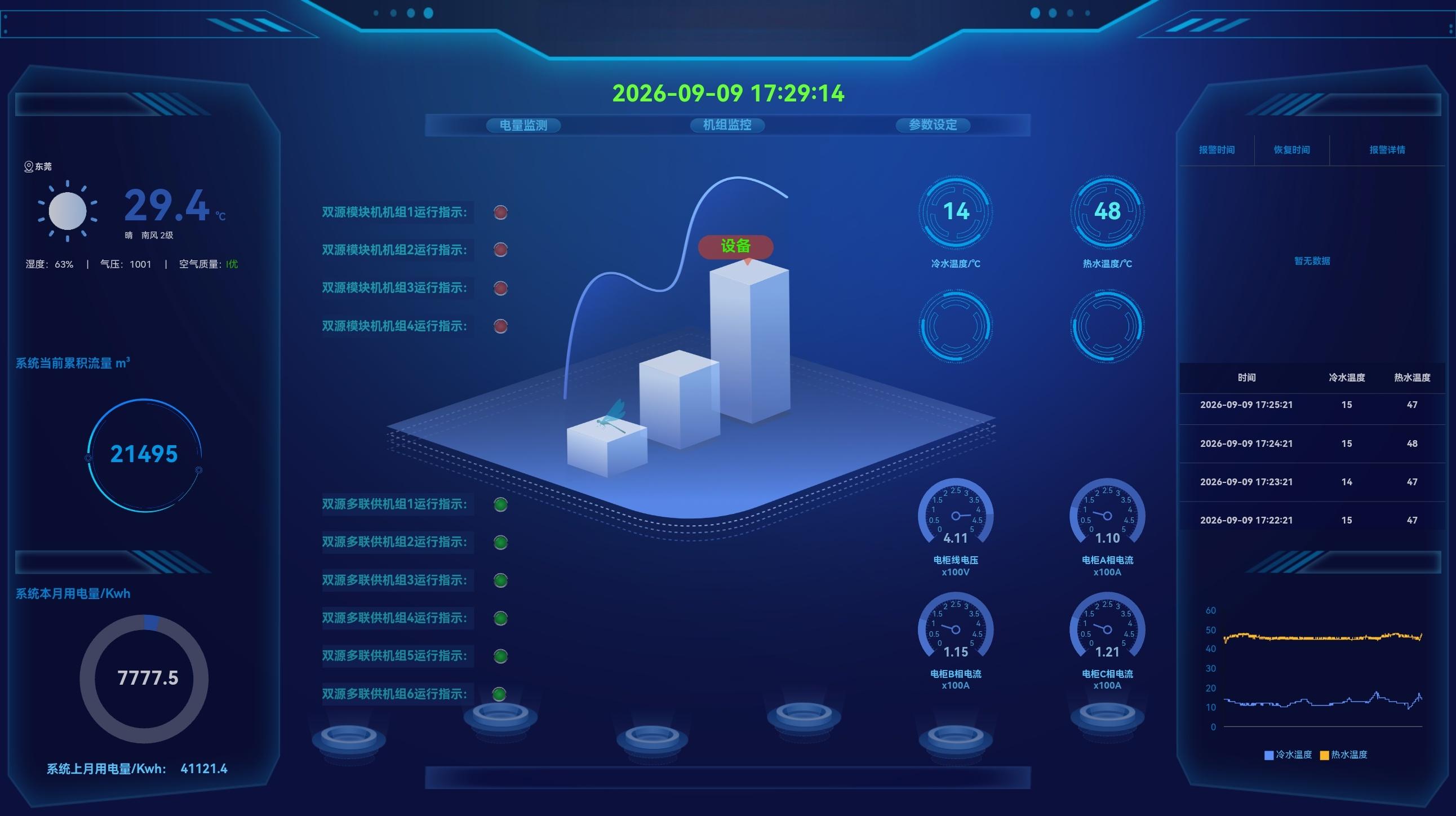
Most people don't think about the ground beneath their feet as a source of comfortable indoor temperatures, yet it's one of the most stable thermal reservoirs we have. Just a few meters below the surface, the earth holds a fairly constant temperature year-round—typically between 10°C and 16°C depending on latitude. Geothermal heat pumps exploit this quiet stability, using buried pipes to exchange heat with the soil instead of struggling against volatile outdoor air. Unlike air-source units that work harder when it's freezing or scorching, these systems get a head start from the ground's predictable warmth.
The real advantage shows up in energy bills and long-term comfort. Because the underground loop doesn't have to fight extreme temperature swings, the compressor runs less and lasts longer. In winter, the loop draws heat from the earth into the house; in summer, it dumps excess heat back into the cooler ground. This bidirectional flow means one system handles both heating and cooling, often using 30–60% less electricity than conventional HVAC setups. Installers often note that the ground loop is virtually maintenance-free once buried, with a expected lifespan of 50 years or more.
But the technology isn't a one-size-fits-all fix. It requires enough open land for horizontal trenches or, if space is tight, deep vertical boreholes—both of which add upfront cost. Still, for houses with access to a yard or even a large driveway, the long-term payoff can be substantial. In regions with harsh winters or hot, humid summers, the steady ground temperature becomes a quiet ally, reducing reliance on fossil fuels without demanding behavioral changes from the homeowner. That's probably why more architects and builders are specifying these systems from the start, rather than retrofitting later.
Variable-Speed Air Handlers for Quiet, Balanced Airflow
A variable-speed air handler doesn't simply switch between full blast and off. Its motor adjusts in small increments, holding lower speeds for longer stretches. This avoids the abrupt rush of air that makes standard systems noticeable, and because the fan rarely runs at top speed, background noise stays low enough to ignore.
The benefit goes beyond sound. By moving air at a steady, measured pace, the unit keeps pressure more even from room to room. You're less likely to feel hot or cold spots near vents, and the system doesn't have to overcompensate with sudden bursts. Over time, that balanced delivery also means fewer humidity swings and a more stable indoor feel.
For households where bedrooms sit close to mechanical closets or return grilles, the quieter operation makes a real difference at night. The blower ramps up gradually as demand increases, so there's no jolt when the system kicks on. It's a subtle shift in how the equipment behaves, but one you notice most in the rooms where you actually live.
Ductless Mini-Splits That Zone Comfort and Cut Losses
Most forced-air systems push conditioned air through a maze of ducts, and the leaks in that network quietly eat into both comfort and monthly bills. A ductless mini-split sidesteps that problem entirely by placing a small indoor unit right where the air is needed. Each room or zone gets its own temperature setting, so you stop paying to heat a guest bedroom that no one uses or cool a sunroom while the rest of the house is already comfortable.
The "cut losses" part comes down to simple physics: shorter refrigerant lines and no long duct runs mean less thermal loss between the outdoor compressor and the indoor air handler. In practice, that translates to tighter humidity control, fewer hot and cold spots, and a system that responds quickly when you adjust the setting. Add in variable-speed compressors that ramp up or down instead of blasting at full tilt, and you get a quieter, more consistent comfort level without the energy waste tied to stop-and-start cycles.
Heat Pump Water Heaters Reusing Ambient Warmth
A heat pump water heater doesn't create warmth the way a conventional electric element does. It siphons heat that's already floating around in the air—inside a garage, basement, or utility closet—and concentrates it to heat the water. Even air that feels cool to us still carries thermal energy. The unit pulls that air across an evaporator coil, where a refrigerant absorbs the heat, then compresses it to a higher temperature and releases it into the tank. The result is hot water produced with a fraction of the electricity that resistance heating would demand.
Placement changes how well this works. The unit needs enough surrounding air volume to draw from, and it discharges cooler air as a byproduct. In a furnace room or any space with residual warmth, it effectively recycles that waste heat, which is a smart use of energy that would otherwise drift away. It also dehumidifies the space, a side benefit in damp basements. In colder regions the process still runs, but recovery times stretch out because the ambient air holds less heat to begin with.
The real payoff shows up in day-to-day energy use. Moving heat is inherently less demanding than generating it, so these systems often operate at two to three times the efficiency of standard electric water heaters. That translates into lower monthly bills and a quieter draw on the home's electrical panel. The initial purchase price runs higher, but the long-term operating savings can offset the difference—especially in households with steady hot water demand and a suitable installation spot.
Energy Recovery Ventilators Keeping Fresh Air Without the Draft
Most ventilation systems force you to choose between stale, stuffy air and an uncomfortable draft across your neck. Energy recovery ventilators solve this by exchanging heat and moisture between outgoing and incoming air streams, so the fresh air arrives at nearly the same temperature and humidity as the room itself. You get a steady supply of clean air without that sudden chill, even on cold winter mornings or muggy summer afternoons.
The real advantage shows up in tightly sealed homes and offices, where opening a window disrupts indoor climate and wastes energy. These units quietly pull out pollutants, excess humidity, and odors, while transferring up to 80% of the thermal energy to the incoming stream. The result is a balanced airflow pattern that avoids creating pressure differences, which means no whistling gaps under doors, no fluttering curtains, and no cold spots near the supply vents.
What often gets overlooked is how this draft-free ventilation changes daily comfort. You can sit next to a supply vent in February and not feel a breeze, yet the air still smells fresh after cooking or painting. The recovery core also keeps indoor humidity more stable, reducing that dry-air scratchiness in winter and the clammy feeling in summer, all without the mechanical noise or blast of air typical of standard exhaust fans.
FAQ
Modern cold-climate heat pumps can keep a home comfortable well below zero, though their efficiency dips when the outdoor unit has to work harder. In milder winters they often outperform gas furnaces on running costs, but pairing one with a backup heat source makes sense for prolonged deep cold.
A high-efficiency furnace burns fuel to create heat, while a heat pump moves existing heat from outside to inside. Furnaces shine in very cold climates and can reach 98% AFUE, but heat pumps use far less energy in moderate weather and can double as air conditioners.
Ductless mini-splits can be a smart investment if you're dealing with room additions, older homes without ductwork, or uneven temperatures. They avoid duct losses that waste 20-30% of energy in central systems and let you heat or cool only the rooms you actually use.
Most households see roughly 8-15% savings after installing a smart thermostat, mainly because it stops conditioning an empty house. The payoff grows if you have a predictable schedule, use geofencing, or take advantage of time-of-use electricity rates.
Geothermal systems are more efficient year-round because underground temperatures stay stable, but they require significant drilling and a larger upfront budget. They tend to win for new construction or large properties where you can spread the cost over decades of low operating expenses.
Start by sealing duct leaks and adding insulation, since even the most efficient unit can't overcome a leaky envelope. Regular filter changes, annual tune-ups, and using ceiling fans to reduce the load can make a noticeable difference for very little money.
Variable-speed blowers and compressors run at lower capacities most of the time, using far less power than single-stage units that constantly cycle on and off. They also keep humidity and temperature swings tighter, so the premium often pays back in comfort rather than just energy savings.
In most homes, switching to a high-efficiency heat pump and adding a smart thermostat together offers the quickest payback. The exact speed depends on your local utility rates, climate, and how old your current equipment is, but two to five years is common.
Conclusion
Homeowners looking to cut energy bills without sacrificing comfort have more practical options than ever. A smart thermostat quietly learns when the house is occupied and adjusts heating or cooling cycles to avoid running an empty home, trimming waste in ways a manual schedule never could. Pair that with a geothermal heat pump, which pulls steady warmth from the ground instead of fighting outdoor air swings, and the baseline efficiency of the whole system jumps. Variable-speed air handlers then take over to move conditioned air through rooms at lower, more consistent speeds—no more blasts of hot or cold air, just balanced airflow that keeps every corner livable.
For homes with troublesome additions or converted attics, ductless mini-splits offer a smarter alternative to hacking into existing ductwork. Each indoor unit runs independently, so you can cool only the bedroom at night or warm the home office during the day, cutting distribution losses that traditional ducts often leak. Heat pump water heaters borrow ambient warmth from a utility room or garage to produce hot water with a fraction of the electricity used by a standard electric tank. Finally, an energy recovery ventilator brings in fresh outdoor air while transferring heat and moisture from the outgoing stale air, so you never have to choose between good ventilation and stable indoor temperatures. Combined, these systems push a home closer to year-round efficiency without asking anyone to shiver in the dark.
Contact Us
Contact Person: Wanshu Chen
Email: [email protected]
Tel/WhatsApp: +86-13662871206
Website: https://www.mbcee.com