

Professional Wheat Flour Machinery: How to Choose the Right Equipment for Your Mill
2026-10-25
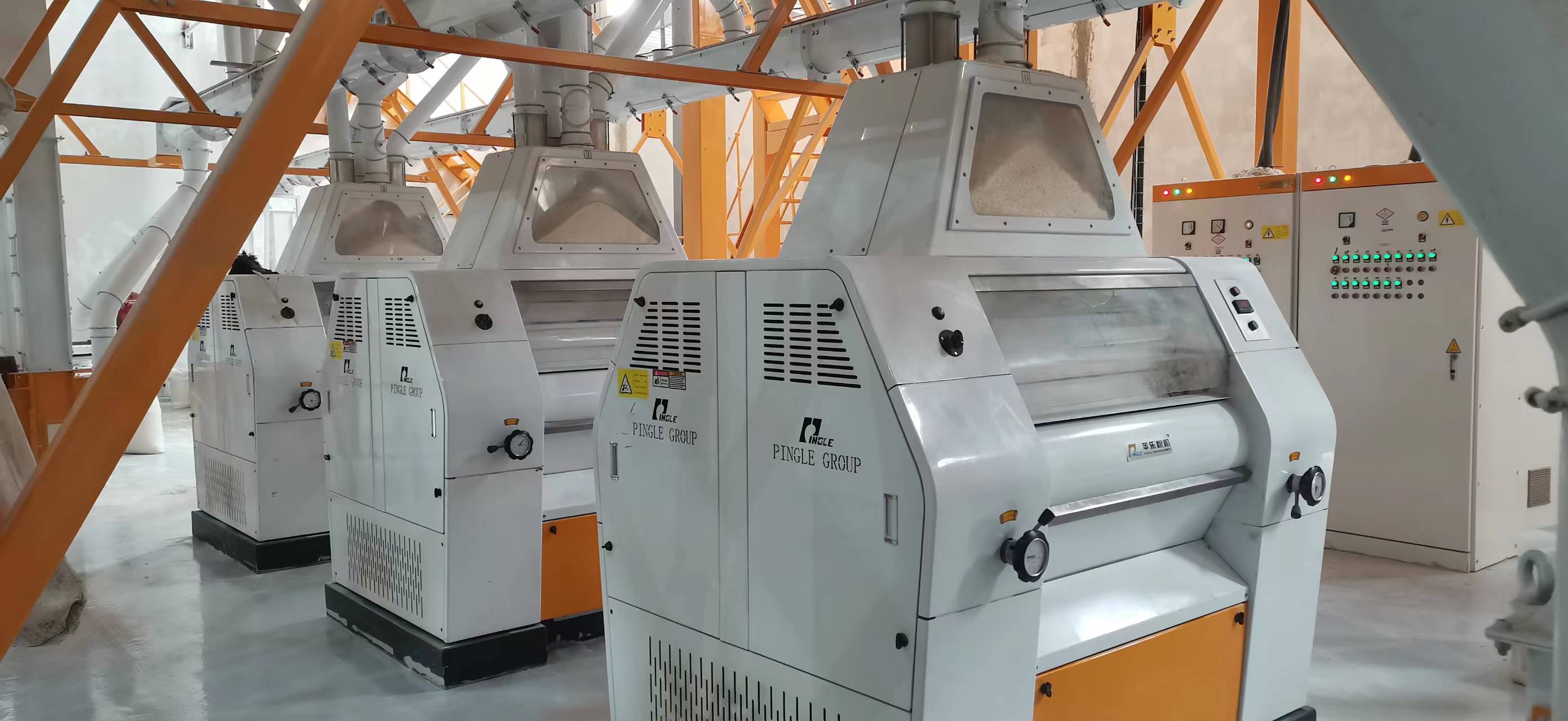
Every mill has its own rhythm, and the right wheat flour machinery should fit that rhythm rather than force you to adapt. Yet too many millers focus on motor power alone and overlook how cleaning, tempering, and sifting stages interact. This guide walks you through the practical questions to ask before you invest—and explains why a partner like PINGLE insists on matching equipment to your mill’s real workflow, not just a catalog spec.
Pin Down Your Flour Profile Before Comparing Models
Most people start comparing machines by lining up feature lists and price tags, but that skips a crucial step. The flours you actually bake with determine which specs matter. A dense 100% whole wheat loaf needs a stronger motor and a longer, cooler rise than a soft white sandwich bread. Gluten-free blends behave differently again—often requiring a faster mix and a shorter proof. So before you open a single comparison chart, write down the flours you use in a typical month. Include the occasional rye, spelt, or ancient grain, not just your everyday bread flour.
Once you have that list, look at each model’s preset cycles and manual overrides. Some machines offer dedicated whole wheat and gluten-free programs that adjust knead intensity and temperature automatically. Others only give you a basic white bread setting and expect you to babysit the dough. If you frequently mix in spelt or einkorn, you’ll want a machine that lets you fine-tune hydration, knead time, and proof length. Without that control, you’ll end up fighting the paddle on every dense dough or scraping burnt crust off a high-gluten loaf.
Don’t assume all “multigrain” or “gluten-free” labels work the same across brands. Dig into user reviews and forum threads for your specific flours—people will tell you if the paddle stalls on a 70% rye dough or if the heating element scorches a rice flour blend. Your flour profile also affects capacity: whole wheat rises less, so a 2-pound machine might handle the same amount of flour as a 2.5-pound white bread setting, while a gluten-free loaf often needs extra headroom. Pin down these details before you shortlist, and the rest of the comparison becomes much easier to navigate.
Calculate Real Throughput, Not Just Peak Capacity
Peak capacity figures look great in a datasheet, but they rarely survive contact with real traffic. A system that bursts to 10 Gbps for a few seconds might collapse to a fraction of that once sustained sessions, packet sizes, and protocol overhead enter the picture. Real throughput is what you can rely on hour after hour, not what you measure in a clean lab run with ideal packet sizes and zero contention.
To get a useful number, measure over a meaningful window under production-like load. Watch how throughput degrades as concurrency climbs or as mixed read/write patterns emerge. Look at the 95th and 99th percentile figures, not just averages, because averages hide the moments when the system stalls. Identify the slowest component in the path—memory bandwidth, disk queues, interrupt handling—and see how it behaves when saturated, not when it has headroom.
Once you have that picture, capacity planning becomes less about buying bigger numbers and more about removing bottlenecks that only appear under sustained load. It also changes how you compare options. A lower peak-rated system with better real throughput often outperforms a higher peak-rated one that falls apart when the workload stops being polite.
Steel, Stone, or Impact: Which Milling Action Suits Your Grain?
Grain doesn't respond the same way to every mill. Steel burrs slice and shear, producing a fine, uniform flour that works beautifully in breads where predictable gluten development matters. Stone burrs crush more slowly, preserving the germ and bran with a slightly coarser, cooler result—ideal for pastry or anyone chasing old-world flavor. Impact mills, by contrast, shatter grain at high speed, and while they're fast, the heat and irregular particle size can make them trickier for delicate bakes.
The real question isn't which milling action is best, but what you actually bake. If you're feeding a sourdough starter daily, a steel burr's consistency saves time and guesswork. Prefer rustic, high-extraction loaves with visible bran? A stone mill's gentle crush keeps those flakes intact and brings out nuttier notes. Impact milling earns its place when speed matters and you're okay with sifting or adjusting hydration to compensate for coarser, warmer flour.
Look for Controls That Reduce Operator Error
Well-designed machinery doesn't just guard against mechanical failure—it also guards against the far more common slip of a hand or lapse in attention. Look for controls that are physically shaped or positioned to match their function, so a worker can identify them by touch even while keeping eyes on the workpiece. Buttons recessed below the surface, levers that require a deliberate two-step motion to engage, and toggle switches with distinct guards are all signs that the designer took human error seriously rather than treating it as an afterthought.
Another practical cue is the use of sequencing logic that prevents a hazardous action unless a safe precondition is met. For instance, a press that won't cycle unless both hands are on the palm buttons, or a conveyor that can't start until a safety gate is fully closed. These aren't complex electronic tricks—they're built-in behavioral constraints that make the wrong action harder to perform than the right one. When you inspect a machine, ask whether a tired or distracted operator could easily trigger the wrong function. If the answer is yes, those controls haven't been designed to reduce error.
Finally, pay attention to feedback and recovery opportunities. Controls that click, light up, or visibly change state when activated let the operator know immediately whether the input was registered correctly. And if an error does happen, a well-thought-out control layout includes an accessible stop or reverse function that lets a worker interrupt the sequence before harm occurs. Machines that rely solely on operator vigilance for error prevention are often the ones that end up in incident reports.
Hidden Maintenance Costs That Surface After Year One
Most budgets for a new property or piece of equipment account for obvious upkeep like oil changes or gutter cleaning, but the quiet costs tend to appear once the initial warranty fades. Think about items that degrade on a schedule you never agreed to: water heater anode rods, HVAC condensate lines, window seals, and even the software licenses that silently switch to paid tiers after a 'free first year' expires.
These expenses rarely arrive as a single large invoice. Instead they show up as recurring dribbles—filter replacements, calibration checks, repainting trim that only becomes obvious after a storm, or bearings that start to whine right after the labor warranty ends. If you keep a log of every small repair in months 13 through 18, the pattern becomes hard to ignore: the initial purchase price was only the entry fee.
A practical way to spot them early is to ask any vendor for a year-two cost sheet before signing. Most will hand over the standard maintenance schedule, but the real surprises—like a proprietary battery pack that needs factory replacement or a drainage inspection that local code now requires—often hide in fine print or in the experiences of other owners. Learning from their repair logs can save more than any extended warranty sales pitch.
Choose a Supplier Who Knows Your Local Wheat Varieties
A supplier that genuinely understands the wheat varieties grown in your region brings more than just a product catalog. They know how a hard red spring wheat from the northern plains behaves differently in a mill than a soft white wheat from the Pacific Northwest. That kind of familiarity means they can help you match the right flour to your specific baking or processing needs, without wasting time on trial and error.
Look for a supplier who asks about your local harvest conditions, soil types, or even the typical protein levels in your area. These are the details that tell you they have worked with mills and bakeries near you, not just shipped generic bags off a warehouse shelf. When a supplier can talk about how a dry season affects the falling number of your local wheat, you are dealing with someone who treats flour as more than a commodity.
Building a relationship with such a supplier also means faster problem-solving when a batch behaves unexpectedly. They can suggest adjustments based on the characteristics of wheat from your own fields or nearby farms. Over time, that knowledge saves you money, reduces waste, and gives your products a consistent quality that customers notice.
FAQ
Start with the end product. If you plan to produce high-extraction bread flour, roller mills with multiple break and reduction passages give you the control you need. For whole wheat or specialty flours, a simpler setup with a good cleaning line may serve better. Also consider local power stability, available floor space, and how easily you can source replacement rolls or screens. A machine that looks impressive at a trade show can become a headache if parts take weeks to arrive.
Hard wheat requires more grinding force and often benefits from a longer conditioning period before milling. This means your dampening system and roller mill must be sized for higher stress. Soft wheat, on the other hand, can over-mill quickly and may need less aggressive roll settings. If you switch between hard and soft wheats frequently, look for variable-speed rollers and adjustable feed mechanisms rather than a single fixed configuration.
A complete line typically includes a cleaner, a dampener, a roller mill or stone mill, a sifter, and a packing system. For smaller mills, a compact all-in-one unit can be tempting, but separate components give you more flexibility when something breaks or demand shifts. Prioritize a robust cleaning system even if it costs more initially; dirty grain will wear down every downstream machine and affect final flour quality.
Stone mills retain more of the germ and bran, producing distinctive whole grain flours with a shorter shelf life. Roller mills separate the endosperm more cleanly, which is better for refined white flour and consistent baking performance. If your market wants artisan or heritage flours, a stone mill may differentiate your brand. If you are supplying bakeries that need uniform protein and ash content, a roller mill is the safer choice.
Calculate your required daily flour output in tons, then add a 20 to 30 percent buffer for peak seasons and future growth. Avoid buying a mill that runs at maximum capacity for every shift; continuous overloading shortens bearing and roll life. But also resist the temptation to buy far more capacity than you need, because underutilized equipment still consumes floor space, maintenance hours, and power during idle starts.
Ask about the frequency of roll regrinding and how easy it is to access screens and filters. A machine with tool-less access panels may cost more upfront but saves hours every week. Also look at the availability of local service technicians. If the nearest technician is a flight away, even a minor breakdown can halt production for days. Choose brands with a track record of shipping common wear parts quickly in your region.
Yes, but you have to look beyond the marketing claims. Smooth-start motors reduce peak demand charges, and efficient pneumatic conveying systems can cut fan energy use by 15 percent or more. Heat recovery from the milling process is less common but can help warm tempering water. Request detailed energy consumption figures for the entire line, not just the main motor, and compare them per ton of flour produced.
Choose a modular layout where you can add another roller mill or sifter section without reconfiguring the whole plant. Ensure the control system supports additional inputs and sensors. If you might add a packing or bulk loading line later, leave space for conveyors and storage bins. Opting for equipment with open communication protocols lets you integrate new automation without being locked into one vendor.
Conclusion
Before you compare different wheat flour machines, take the time to define exactly what kind of flour your market demands. Ash content, particle size distribution, dough strength, and even starch damage all shift dramatically depending on the milling action you choose. A stone mill produces a different flour character than a steel roller mill, while impact mills excel at very fine grinds for specific applications. Hard red winter wheat, soft white wheat, and durum each behave differently under the same stress. So match your grain type and desired flour profile to the right milling principle from the start, rather than forcing a machine to do something it was never designed to do well.
Beyond the technical specs, pay close attention to real throughput under continuous load, not just peak capacity on a sales sheet. Operator error is a major hidden cost, so look for controls that reduce guesswork: automatic feed regulation, moisture sensing, and clear alarm systems. Maintenance expenses often surface after the first year—worn bearings, screen replacement, and cleaning downtime add up fast if the design ignores accessibility. Finally, choose a supplier who understands the local wheat varieties you actually handle, because regional grain characteristics affect tempering, grinding, and sifting performance. A vendor with experience in your specific wheat-growing area will help you avoid costly trial-and-error and keep your mill running at the quality your customers expect.
Contact Us
Contact Person: Jiakuo Wu
Email: [email protected]
Tel/WhatsApp: +86-13011566087
Website: https://www.pinglemachine.com