

Professional Cold Pressed Dog Food Machine Delivers Superior Nutrition for Your Dog
2026-09-02
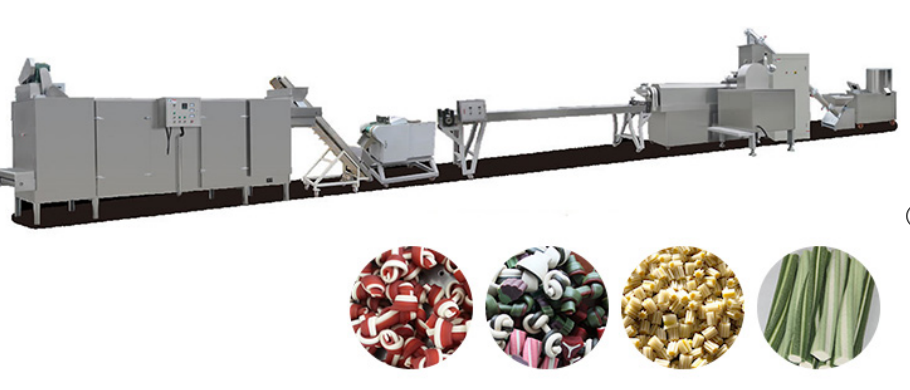
Every dog owner wants to feed their pet food that truly nourishes—yet many commercial kibbles lose vital nutrients through high-heat processing. Cold pressing changes that, preserving natural enzymes, vitamins, and flavors. In this post, we explore how a professional cold pressed dog food machine from MINGDE helps you produce superior, nutrient-dense meals your dog will love, and why this method is gaining attention among pet nutrition enthusiasts.
Why Heat Is the Biggest Threat to Your Dog’s Dinner
Most kibble and canned food gets cooked at high temperatures long before it lands in your dog’s bowl. That initial processing already strips away a chunk of vitamins like thiamine and folate, but the real trouble starts when you warm the food again at home. Reheating leftovers or even leaving a bowl near a sunny window pushes those remaining nutrients past their breaking point, especially heat-sensitive amino acids and omega-3 fatty acids.
Warm food also becomes a perfect breeding ground for bacteria. Once cooked meat and grains cool into that lukewarm range between 40°F and 140°F, any stray microbes multiply fast enough to turn a wholesome meal into a stomachache waiting to happen. If you add hot water or broth to rehydrate dry food, using boiling liquid can actually cook the surface of the kibble and create a mushy texture your dog might refuse.
There’s also the fat factor. Fats oxidize more quickly when exposed to heat, producing off-smelling compounds that make dinner taste stale or rancid. Even if your dog still eats it, oxidized fats place extra stress on the liver and can trigger inflammation over time. Letting food cool to room temperature before serving, and storing the rest in the fridge, keeps the meal safer and closer to its intended nutritional profile.
Cold Pressing: The Gentle Way to Keep Nutrients from Vanishing
Heat and oxygen are notorious for stripping vitamins and enzymes from fresh produce, but cold pressing works almost entirely without them. Instead of grinding at high speed or applying steam, the process relies on slow, hydraulic pressure to squeeze juice out of fruits, vegetables, and leafy greens. Because the temperature stays near or below room level, delicate compounds like vitamin C, folate, and polyphenols remain largely intact. The result is a liquid that tastes closer to the raw ingredient and carries more of what made the plant nutritious in the first place.
Oxidation is another quiet thief that turns fresh juice brown and dulls its nutritional edge. Cold pressing minimizes air exposure during extraction, so enzymes and antioxidants have less chance to break down before the juice reaches your glass. Many people notice a deeper color and a cleaner, more vivid flavor compared to conventional centrifugal juicing. It is not a magic preservation method, but the gentler mechanical action does help sensitive nutrients survive the journey from produce to pour.
That said, even cold-pressed juice should be consumed soon after it is made. The lack of pasteurization means it has a shorter shelf life, and nutrients will gradually fade once oxygen finds its way in. Keeping bottles sealed, chilled, and dark helps slow that decline, but the real advantage is in fresh, small-batch preparation. For those who want to get the most out of raw plants without harsh processing, cold pressing remains one of the kindest methods available.
How a Cooler Process Helps Your Dog Absorb More Protein
Most kibble is cooked at high temperatures, and that heat can twist or break some of the proteins your dog would otherwise use. A cooler process—whether it’s gentle freeze-drying or low-temperature air drying—keeps more of those amino acid chains intact. When the protein structure stays closer to its natural state, your dog’s digestive enzymes don’t have to work around heat-damaged fragments, so more of it ends up being absorbed instead of passing through.
There’s another side to it, too. High heat can trigger reactions between proteins and sugars, making parts of the meal harder to break down. Cooler methods leave the food less altered, so the stomach and small intestine can access a higher share of the protein. Over time, that can show up as better muscle tone, a shinier coat, or simply a dog that seems to get more out of every scoop.
The Design Details That Make a Professional Machine Stand Out
A professional machine reveals its quality in the quiet details most people never consciously notice. The weight of a knob as it turns, the way a lever settles into a detent, the absence of sharp edges on a daily-use panel—these are not accidents. They come from a deliberate choice of materials like bead-blasted stainless steel or glass-reinforced nylon, and from tolerances measured in tenths of a millimeter. When a hinge opens without wobble and a door closes with a low, solid thud, it tells you the designer cared about more than just hitting a price point.
Another differentiator is how the machine handles failure and maintenance. On cheaper equipment, accessing a filter or a belt often requires a screwdriver, a flashlight, and a lot of patience. Professional designs flip that logic: panels lift off with quarter-turn fasteners, hoses and wires are routed with labels and color coding, and common wear items sit within arm's reach. This isn't convenience for its own sake—it means less downtime and fewer mistakes when someone is working under pressure. The best machines treat serviceability as a first-class design requirement, not an afterthought.
There's also a subtle but critical focus on the human interface. Buttons and dials on a professional machine are spaced for gloved hands, not just bare fingers. Displays sit at eye level and use high-contrast type that stays readable in bright light or dust. Feedback is immediate: a tactile click, a soft beep, a visual confirmation that doesn't require interpretation. These choices don't shout for attention. They simply reduce the mental load of operating the equipment, which over hundreds of hours becomes the difference between a tool you trust and one you tolerate.
What Changes When You Swap Standard Kibble for Cold Pressed Food
The first thing you'll notice is the texture. Standard kibble gets its puffed, crunchy shell from high-heat extrusion, while cold pressed food is made by pressing ingredients together at low temperatures. The result is a dense pellet that breaks apart more like a hard biscuit than a brittle nugget. It doesn't swell in the bowl or in your dog's stomach the way some expanded kibbles do, which can mean less gulping and fewer episodes of post-meal discomfort for sensitive dogs.
Nutrient retention shifts too. Because cold pressing avoids the repeated heating and drying cycles used for standard kibble, heat-sensitive vitamins, natural enzymes, and essential fatty acids stay closer to their original form. You might notice a duller, less greasy surface on the food—that's because fats aren't sprayed on after cooking to replace what was lost. Instead, cold pressed recipes usually mix oils in before pressing, so the fat is distributed through the pellet rather than sitting on the outside.
Digestion often becomes more predictable. Many owners report smaller, firmer stools within a couple of weeks, partly because the food is denser and portion sizes shrink. Some dogs also settle into a steadier energy level throughout the day, rather than spiking after meals. Just keep in mind that every dog adjusts differently: start with a slightly smaller scoop than you'd use for standard kibble, since cold pressed food packs more weight into the same volume.
Quick, Practical Steps to Make Balanced Meals at Home
Start by keeping a simple plate formula in mind: fill half with vegetables or fruit, a quarter with lean protein, and a quarter with whole grains or starchy vegetables. No need to measure precisely—just eyeball the proportions as you dish up. This approach removes guesswork and works for almost any cuisine, from stir-fries to grain bowls to tacos.
Make your freezer and pantry do the heavy lifting. Stock frozen mixed vegetables, canned beans, quick-cooking brown rice, and eggs. On busy nights, you can have a balanced meal in under fifteen minutes: warm beans with cumin and garlic, microwave frozen broccoli, top with a fried egg, and serve over leftover rice. Rotate two or three go-to sauces like tahini-lemon or salsa verde so the same base ingredients don’t get boring.
Cook once, eat twice. When you roast chicken or tofu, make extra. The next day, slice it over a big salad with chickpeas and quinoa, or fold it into whole-grain wraps with shredded cabbage and a yogurt-based dressing. This small habit prevents the “what’s for dinner” scramble and keeps balanced meals within reach even when your schedule falls apart.
FAQ
It mixes ground ingredients into a dough at low temperatures, usually between 40°C and 70°C, then presses the mixture through a shaping plate. No steam or high heat is involved, so the final pellets stay dense and retain more heat-sensitive vitamins and enzymes than conventionally extruded kibble.
Extrusion forces ingredients through a hot barrel at 120°C to 170°C, which can degrade some amino acids, vitamins, and natural antioxidants. Cold pressing stays below 70°C, so delicate nutrients like vitamin C, B vitamins, and certain enzymes survive the process much better, giving your dog a more bioavailable meal.
Dogs benefit from nutrients in their most natural state. High heat can denature proteins and destroy probiotics, while cold pressing preserves these components. Many owners report better digestion, healthier skin and coat, and more consistent energy levels after switching to cold pressed food.
Absolutely. Because you control the ingredient list, you can exclude common triggers like wheat, soy, or chicken and use novel proteins or limited components. The gentle processing also means less chance of forming advanced glycation end products that sometimes irritate a sensitive gut.
Look for a robust motor that can handle dense dough without overheating, easily removable dies for different pellet sizes, and precise temperature control. Stainless steel contact parts are a must for hygiene, and a model with a reverse function helps clear jams without disassembling the whole unit.
Once your ingredients are prepped and mixed, the pressing itself is quick—often 10 to 20 minutes for a family-sized batch. The entire process from raw ingredients to finished pellets usually takes under an hour, depending on batch size and your familiarity with the machine.
For home use, the initial machine cost can be offset within a year if you're replacing premium commercial cold pressed brands. For a small business, the low energy consumption and ability to use fresh, regional ingredients often lead to a healthy margin while offering a product many pet owners actively seek out.
Most professional units have removable augers, dies, and hoppers that rinse clean with warm water—avoid harsh detergents that can leave residue. Dry all parts thoroughly before reassembling, and periodically check the gearbox oil if your model has one. A quick wipe-down after each session prevents dough from hardening and keeps the machine running smoothly for years.
Conclusion
Most commercial dog foods are cooked at high temperatures, and that process quietly strips away amino acids, natural enzymes, and delicate vitamins your dog depends on. Cold pressing works in the opposite direction. Instead of blasting ingredients with heat, it uses low-temperature extrusion and gentle pressure, so proteins stay intact and fats don't turn rancid. The result is a denser, more digestible meal where your dog can actually absorb the protein you paid for rather than passing much of it through. A professional cold pressed dog food machine takes this a step further with careful temperature control, slow screw speeds, and precise die shapes that avoid friction hotspots. Those small engineering choices matter because even a few degrees too high can undo the benefits.
When you switch from shelf-stable kibble to cold pressed food, you'll often notice a calmer gut, smaller stools, and a shinier coat within a few weeks. That's not magic; it's what happens when food hasn't been overheated and the natural fiber structure remains intact. Making balanced meals at home becomes easier with a reliable machine, too. Start with a protein base like chicken, beef, or fish, mix in ground vegetables and a small amount of healthy fat, then run it through the cold press at the lowest practical temperature. Rotate ingredients weekly and keep portions consistent. With a professional machine doing the hard work, you're not just feeding your dog, you're giving them a fresher, gentler path to real nutrition without the hidden damage heat can cause.
Contact Us
Contact Person: LILY SUN
Email: [email protected]
Tel/WhatsApp: 0086-13969103791
Website: https://www.snackfoodmachinery.com/