

Private Label Feline GS-441524 Treatment Guide for Cat Owners
2026-08-31
Feline infectious peritonitis used to feel like a dead end. GS-441524 changed that, but for most cat owners the real struggle starts after the diagnosis: finding trustworthy information and a reliable source you don't have to second-guess. That's exactly why this private label treatment guide was written. It walks you through the essentials—dosing, monitoring, and recovery—without the fluff, and Lucpets supports you with the resources to make confident decisions for your cat.
From Lab Bench to Litter Box – Why GS-441524 Works
GS-441524 wasn't designed with cats in mind. It emerged from early antiviral research targeting RNA viruses, where its ability to halt viral replication stood out. The molecule closely mimics a natural nucleoside, slipping into the viral RNA chain and stopping it from growing further. That mechanism doesn't care whether the host walks on two legs or four — which is why lab results translated so directly to feline patients.
When the compound moved from cell cultures to cats with feline infectious peritonitis, the leap wasn't purely theoretical. Veterinarians and researchers observed that the drug reached therapeutic levels in tissues where the virus hides, including the central nervous system and eyes. Dosing had to be adjusted for a cat's faster metabolism, but the core principle held: stop viral replication long enough, and the immune system clears the debris. Cats that had been fading in days began eating, grooming, and returning to normal behavior within weeks.
What makes GS-441524 especially practical for at-home treatment is its stability and oral bioavailability. Unlike some injectable-only antivirals, it can be formulated into pills or suspensions that owners give daily. The litter box becomes a quiet checkpoint — appetite, stool consistency, energy. When the drug works, those small daily signs shift from alarming to ordinary, which is exactly what owners fighting FIP need to see.
Is Your Cat a Candidate for GS-441524? Reading Bloodwork Beyond the Basics
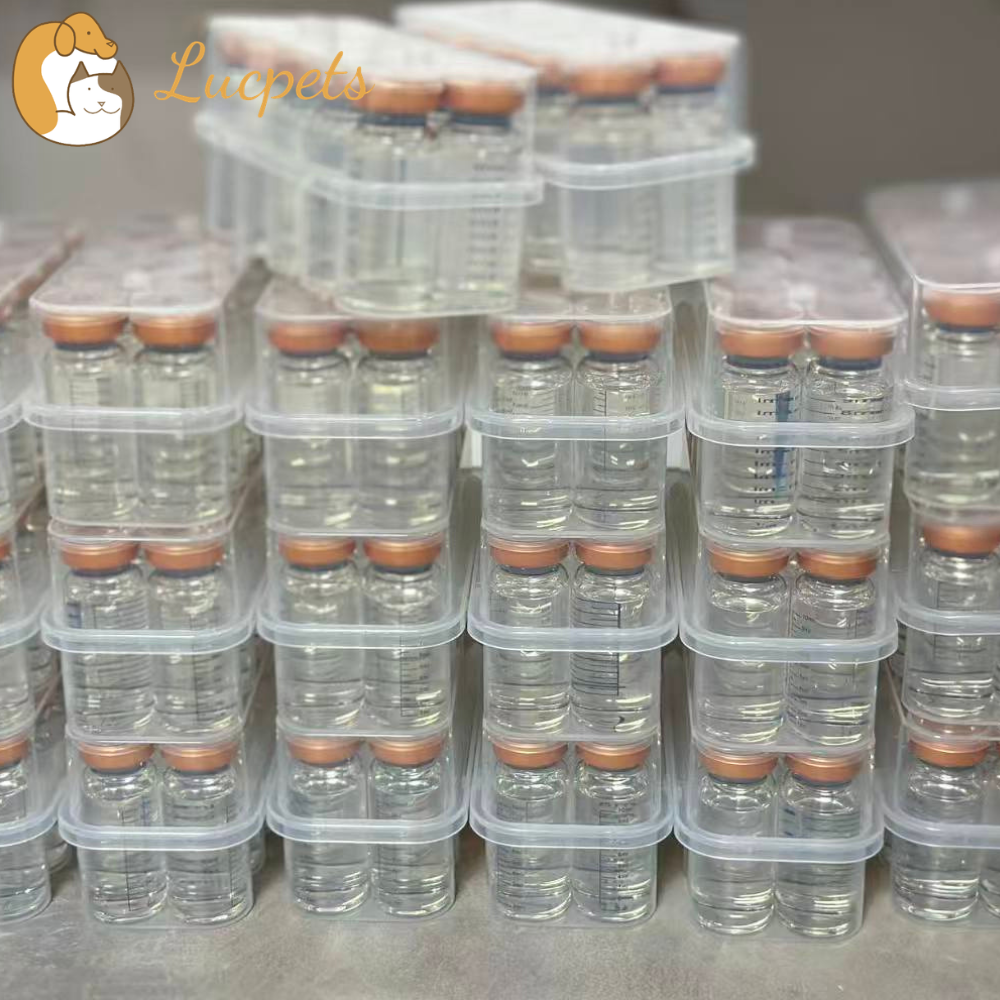
Most vets still lean on a standard CBC and chemistry panel, but those numbers won't sort out FIP candidates reliably. A cat with dry FIP can have a completely normal white cell count and only mild anemia. What you actually want to track are the albumin-to-globulin ratio, total protein, and acute-phase reactants like alpha-1 acid glycoprotein (AGP) or serum amyloid A. A falling A:G ratio—especially below 0.6—combined with persistent fever that doesn't respond to antibiotics, is far more telling than a single positive coronavirus titer, which only says the cat has been exposed.
Liver values and bilirubin deserve extra scrutiny. A rise in total bilirubin without hemolysis or obvious hepatocellular damage points toward the vasculitis and granulomatous inflammation that FIP causes. Non-regenerative anemia, where the hematocrit stays low but reticulocytes don't increase, also shows up more often in FIP than in simple infections. Before starting GS-441524, recheck kidney values too—creatinine and BUN can shift quickly in dehydrated or systemically ill cats, and baseline renal function influences how you monitor for drug-related side effects.
Candidacy isn't decided by bloodwork alone, but these deeper markers help rule out mimics like lymphoma, toxoplasmosis, or chronic stomatitis. If the only abnormal finding is a mild increase in globulins and the cat is eating well, waiting and repeating the panel in a week may be the smarter move than jumping straight to GS. For cats with ocular or neurological signs, however, bloodwork often looks surprisingly bland—those patients remain strong treatment candidates based on clinical presentation, not lab perfection.
Dosing Without Drama – Syringe Skills That Save Sanity
Getting a syringe into a stressed pet’s mouth without turning it into a wrestling match starts with how you hold the dose. Warm the medication slightly if it’s fridge-cold, draw it up with the bevel up, and steady the barrel like a pencil. The less you hesitate, the quicker it’s done — and the quicker your animal can go back to ignoring you instead of plotting revenge.
Angle matters more than force. Aim for the cheek pouch rather than straight down the throat, and push the plunger in slow, even increments. If you blast the whole thing at once, you’ll either trigger a gag or teach your pet that medication time is a drowning simulation. Let them swallow between small pushes, and keep one finger near the corner of the mouth to feel any backflow before it winds up on the floor.
For cats and small dogs, try wrapping them in a towel like a burrito with one paw free, then tilt the head only a few degrees — not back like a human swallowing a pill. For larger dogs, a second person can hold the collar while you deliver from the side. After the dose, offer a lick of water or a tiny treat, not as a reward but as a signal that the syringe is gone and normal life has resumed. The goal isn’t perfection; it’s a routine boring enough that nobody notices it anymore.
The Two-Week Reality Check – What to Expect, What to Ignore
The first two weeks are not about transformation; they're about calibration. Expect your body and mind to push back a little when routines change. That mild headache, the afternoon slump, the urge to skip day four—those aren't signs the plan is failing. They're just signals that old patterns are being jostled loose. Ignore the voice that says you should already feel different.
What you should pay attention to is far less dramatic. Sleep quality often shifts before the scale does. Cravings may drop a notch by day nine or ten. You might notice you're less winded on stairs, or that your focus holds a bit longer in the afternoon. These small, unglamorous changes are the actual early returns. Everything else—the mirror check at day seven, the constant weighing, the comparison to someone else's week one—belongs in the ignore pile.
So during this reality check, keep one simple question in mind: "Am I doing what I said I would do?" If the answer is yes, the results are already on their way, even if they're not visible yet. The only real failure in the first two weeks is quitting before the adjustment finishes.
Side Effects, Setbacks, and the Messy Middle of GS-441524 Treatment
The reality of GS-441524 treatment rarely matches the tidy success stories floating around forums. Owners quickly learn that daily injections sting, and many cats develop sores or thickened skin at the injection site despite careful rotation. Some cats grow lethargic or lose appetite in the first weeks, which can be mistaken for disease progression. Bloodwork may show elevated liver enzymes or shifting kidney values, forcing a pause or adjustment of the regimen. It is a grind: 84 days minimum, with no guarantee that the cat won't relapse after stopping.
Setbacks hit hard. A cat that seemed to improve may spike a fever or stop eating around week three, prompting frantic vet calls. Some owners struggle to give injections alone; missed doses or a struggling cat can lead to leakage, reducing efficacy. The middle weeks—30 to 60—feel endless. The cat is often brighter but not cured, and the owner is exhausted, broke, and emotionally frayed. Relapse rates hover around 10 to 15 percent even with proper dosing, and second rounds are longer and more expensive.
The messy middle also includes navigating unreliable suppliers, mixing vials, and second-guessing every sneeze. Rarely, cats develop injection-site reactions serious enough to require wound care. Owners face the dilemma of stopping early when bloodwork stabilizes, knowing the risk of a longer battle later. This is not a clean pharmaceutical path; it is a community-driven protocol with real risks, real boredom, and real hope tangled together.
Life After the Last Dose – Building a Relapse-Proof Recovery
Life after the last dose often feels like walking through a house where every room still has the old furniture—the same streets, the same stressors, even the same faces. But recovery isn't just about removing the substance; it's about rearranging the space so the old habits no longer fit. The early days can be surprisingly disorienting because you're not just fighting cravings, you're learning to live without the rhythm of use. Many people don't expect the quiet moments to be the hardest, when boredom or loneliness creeps in and the brain starts bargaining. Recognizing that this unease is part of the rewiring process helps take the power out of it.
Building a relapse-proof recovery means accepting that willpower alone has a shelf life. What holds up over time are the small, almost boring structures—a morning routine that doesn't give you time to negotiate, a support circle that knows your warning signs before you do, and places you can go where using simply isn't an option. It also means changing how you talk to yourself after a bad day: one slip or a near miss doesn't have to become a full relapse if you treat it as information instead of a verdict. The goal isn't to become someone who never wants to use; it's to become someone who knows exactly what to do when the thought shows up.
Over the long haul, relapse-proof recovery is less about being strong and more about staying connected to the reasons you stopped. People who do well don't just avoid triggers—they build a life that makes the old high feel smaller and less necessary. That could mean rediscovering old interests, taking on responsibilities that matter to someone else, or simply learning to sit with discomfort without needing to escape it. The last dose closes one chapter, but the story afterward is written in daily choices that slowly, unevenly, become a new normal. And that new normal can be more durable than any craving, not because it's perfect, but because it's yours.
FAQ
GS-441524 is a nucleoside analog that stops the feline coronavirus from replicating by interfering with its RNA synthesis. It's become the go-to therapy for FIP because it crosses into affected tissues well and can reverse both effusive and non-effusive forms when started early.
Private label means the drug is manufactured by one facility but sold under various brand names by different distributors. This practice is common because GS-441524 isn't FDA-approved for veterinary use yet, so owners often rely on compounded or generic versions from independent sellers.
The starting dose is typically 4 to 6 mg/kg daily for dry FIP and 6 to 10 mg/kg for wet or ocular/neurological cases, given as a subcutaneous injection. Vets often raise the dose if the cat doesn't show expected improvement within the first two weeks.
The standard course is 84 days (12 weeks) of daily dosing, followed by an observation period of another 12 weeks to watch for relapse. Stopping early dramatically increases the chance of the virus rebounding, so completing the full timeline is critical.
Most cats handle the drug well aside from local skin irritation at injection sites, which can range from redness to ulceration if not rotated carefully. Some may show temporary lethargy, vomiting, or elevated liver values, but these usually settle without stopping treatment.
Oral forms are easier for owners but can be less reliable because absorption varies between cats and some brands underdose the active ingredient. Many specialists reserve oral therapy for maintenance after the cat has shown stable improvement on injections for at least 4 to 6 weeks.
Request a certificate of analysis from an independent lab showing purity above 98% and accurate concentration. Legitimate sellers also provide clear dosing charts, batch numbers, and often have a veterinarian or experienced advisor available for questions.
Appetite loss can be a sign of FIP itself or a reaction to the drug, so don't ignore it. Offer highly palatable warmed food, use appetite stimulants if prescribed, and track weight daily; if food refusal lasts more than 24 hours, call your vet immediately.
Conclusion
Getting GS-441524 into a sick cat isn't just about filling a syringe. The guide starts by laying out why this nucleoside analog actually stops feline infectious peritonitis virus from replicating, then walks you through the bloodwork you need before committing. It doesn't treat every cat with abnormal labs as a candidate; it teaches you to read the nuances—like the A:G ratio, lymphocyte shifts, and bilirubin patterns—so you're not guessing. From there, the dosing section strips away the fear of daily injections, covering restraint tricks, needle angle, and how to keep both you and the cat calm when things go sideways. It also breaks down common needle-phobia triggers and offers practical workarounds for single-person dosing.
The real value shows up around week two. That's when owners either panic or settle in, and the guide normalizes the messy middle: mild fever spikes, wobbly appetite days, injection-site lumps that look worse than they are. It tells you what to ignore, what warrants a vet call, and how to adjust without derailing the full 12-week protocol. Once the last dose lands, the guide doesn't just say 'congrats.' It outlines a relapse-proof recovery—tapered monitoring schedules, reintroduction timelines, stress reduction, and early warning signs that need immediate action. That shift from 'cure' to 'durable recovery' is what keeps owners from being blindsided months later.
Contact Us
Contact Person: Aaron
Email: [email protected]
Tel/WhatsApp: +86 18177165140
Website: https://www.lucpetsglobal.com