

OEM Cryogenic Ball Valves: Essential Solutions for Ultra-Low Temperature Applications
2026-04-16
In the demanding world of ultra-low temperature applications, from LNG terminals to cryogenic research labs, the performance of fluid control systems is paramount. OEM cryogenic ball valves often bear the brunt of extreme conditions, where even minor failures can lead to costly downtime and safety risks. At ZMV, we've engineered solutions that not only meet but exceed these challenges, ensuring reliable operation at temperatures as low as -196°C. This blog delves into how our advanced valve technology sets new standards, offering insights that could transform your approach to cryogenic systems. Discover what makes ZMV the trusted partner for critical applications worldwide.
Unlocking the Power: OEM Cryogenic Ball Valves Explained
Step into the world of industrial engineering where precision meets extreme conditions, and you'll find a critical component: OEM cryogenic ball valves. These specialized valves are engineered to operate reliably at temperatures plunging far below freezing point, often down to -196°C or lower, handling fluids like liquid nitrogen, oxygen, or LNG with utmost safety. What sets them apart is their tailored design by Original Equipment Manufacturers (OEMs), ensuring seamless integration into systems where off-the-shelf solutions might falter under harsh thermal stress. It's this custom-built approach that unlocks performance in applications ranging from aerospace fueling to pharmaceutical cryopreservation.
Delving deeper, the power of OEM cryogenic ball valves lies in their meticulous construction. Unlike standard valves, they feature materials like stainless steel or specialized alloys that resist embrittlement at low temperatures, alongside advanced sealing technologies such as extended stems and thermal barriers to prevent leaks and icing. Manufacturers often incorporate unique design elements—think extended bonnets or anti-static features—to address specific operational challenges in cryogenic environments. This isn't just about functionality; it's about crafting valves that endure the rigors of ultra-cold service while maintaining fluid control precision.
In practice, unlocking this power translates to real-world benefits across diverse industries. For instance, in the energy sector, these valves ensure the safe transport of liquefied natural gas through pipelines, minimizing downtime and enhancing safety protocols. Meanwhile, in scientific research, they facilitate experiments requiring precise temperature control, from cryogenics labs to particle accelerators. By partnering with OEMs, companies gain access to valves that are not only robust but also optimized for their specific needs, driving efficiency and innovation. Ultimately, it's this fusion of custom engineering and rigorous testing that makes OEM cryogenic ball valves indispensable tools in mastering the cold.
Innovations in Cold-Tolerant Materials for Cryogenic Valves
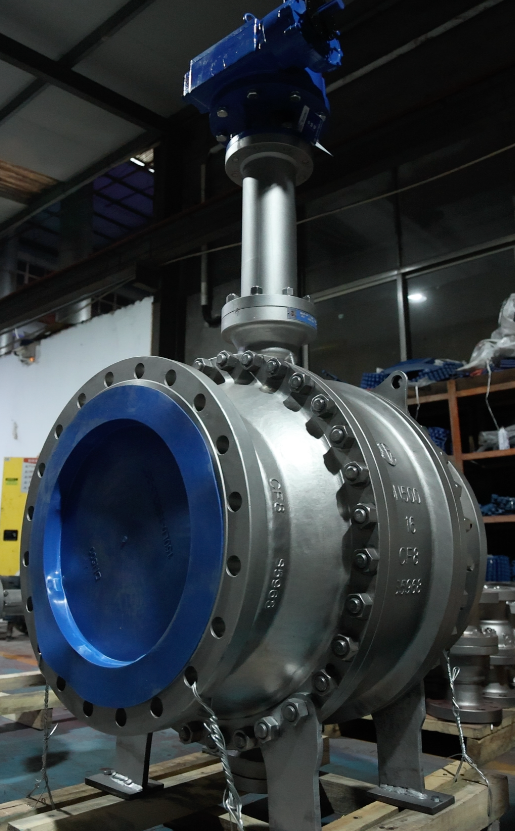
Recent breakthroughs in cold-tolerant materials have revolutionized cryogenic valve performance, particularly in industries like LNG and aerospace where extreme low temperatures are routine. Instead of relying solely on traditional metals that can become brittle below -150°C, researchers are developing advanced alloys and composites with enhanced ductility and thermal stability. For instance, specially treated stainless steels and nickel-based superalloys now incorporate microstructural adjustments to resist cryogenic embrittlement, ensuring valves maintain integrity even under rapid thermal cycling.
A standout development is the use of engineered polymers and ceramics that outperform conventional materials in specific applications. Materials like polytetrafluoroethylene (PTFE) derivatives and silicon nitride composites offer superior sealing properties and reduced thermal conductivity, minimizing heat transfer and frost buildup. These innovations not only extend valve lifespan but also improve safety by preventing leaks in critical systems, such as those found in cryogenic storage or medical freezers.
Looking ahead, smart materials with embedded sensors are emerging as a key trend, allowing real-time monitoring of stress and temperature changes in cryogenic environments. This proactive approach helps prevent failures before they occur, setting a new standard for reliability in harsh conditions. By blending material science with digital technology, these advancements pave the way for more efficient and resilient cryogenic valve solutions.
Engineered for the Extreme: Valves for Ultra-Low Temperature Challenges
In applications like liquefied natural gas processing, industrial cryogenics, and aerospace systems, valves face unique challenges as temperatures plummet to ultra-low levels—often below -150°C (-238°F). The structural integrity of valve materials can be compromised, with metals becoming brittle and seals losing flexibility, leading to potential failures in critical operations. This necessitates specialized design strategies, including the selection of materials such as stainless steel grades, Inconel alloys, or specially treated polymers that maintain toughness and prevent leaks in freezing environments.
Beyond material choices, these valves incorporate advanced engineering features to ensure reliability under extreme cold. For example, extended bonnets are often used to isolate packing from direct contact with cryogenic fluids, preventing ice formation that could jam moving parts. Additionally, unique valve designs, such as double-seat configurations or cryogenic-rated ball valves, minimize heat transfer and maintain a proper seal, even as components contract at different rates due to temperature fluctuations. This precision engineering helps systems operate safely in industries where downtime is costly and safety is paramount.
The real-world impact of such specialized valves is evident in projects like space exploration missions or medical cryostorage, where failure is not an option. By integrating thorough testing protocols—from thermal cycling to leak detection at sub-zero temperatures—manufacturers ensure these valves perform reliably. This focus on extreme-condition durability not only enhances operational efficiency but also pushes the boundaries of valve technology, setting new standards for industries dealing with the coldest challenges.
Application Highlights: Where Cryogenic Ball Valves Excel in Industry
Cryogenic ball valves really shine in environments where temperatures plummet below -150°C, such as in liquefied natural gas (LNG) facilities. Their robust construction and specialized materials, like stainless steel with extended bonnets, prevent issues like thermal contraction and leakage that plague standard valves in the cold. This makes them indispensable for handling cryogenic fluids safely, ensuring smooth operations in critical applications like storage and transport.
Beyond LNG, these valves are key players in aerospace and pharmaceutical industries, where precision and reliability are non-negotiable. In rocket fuel systems or cryogenic storage for medical gases, their ability to maintain a tight seal under extreme conditions reduces downtime and enhances safety. Unlike generic alternatives, cryogenic ball valves are engineered to withstand thermal cycling without compromising performance, offering a durable solution that stands out in high-stakes settings.
What sets them apart is their adaptability to complex processes, like in chemical plants handling cryogenic reagents. Their low-torque operation and minimal maintenance needs translate to cost savings over time, while advanced designs incorporate features like fire-safe capabilities for added resilience. This versatility ensures they excel not just in niche roles but as versatile tools driving efficiency across diverse industrial landscapes.
Designing for Reliability: Key Features of Top-Performing Cryogenic Valves
High-performance cryogenic valves excel in extreme cold environments, a capability rooted in their meticulous design. These valves typically feature robust materials such as stainless steel or specialized alloys that resist brittleness and maintain integrity at temperatures as low as -196°C. The sealing mechanisms are engineered to prevent leaks by accommodating thermal contraction, often using flexible components or precise gasket arrangements. This reliability ensures smooth operation in critical applications like liquefied natural gas (LNG) processing and aerospace systems, where downtime can be catastrophic.
Beyond material selection, top-performing cryogenic valves incorporate advanced actuation and insulation. For instance, extended stem designs minimize heat transfer from the environment to the valve body, reducing the risk of internal ice formation. Actuators are tailored for low-temperature use, avoiding sluggish response or failure. These features collectively enhance durability and efficiency, making the valves indispensable in industries that demand consistent performance under harsh conditions.
Innovative testing and quality control further set these valves apart. Manufacturers often subject them to rigorous cryogenic cycling tests, simulating real-world stresses to verify longevity. This proactive approach helps identify potential weak points early, ensuring the final product meets strict safety and operational standards. As a result, operators can rely on these valves for long-term, maintenance-free service, even in the most demanding cryogenic settings.
Maximizing Efficiency: Benefits and Solutions in Cryogenic Applications
Achieving peak performance in cryogenic systems goes beyond simply lowering temperatures; it hinges on integrating advanced engineering solutions that minimize energy waste and maximize output. By carefully selecting materials with superior thermal properties and employing precision insulation techniques, organizations can significantly reduce operational costs while enhancing the reliability of processes like liquid nitrogen production or superconducting magnet cooling. The benefits are tangible: lower energy bills, extended equipment lifespans, and a smaller carbon footprint, making efficiency a cornerstone of sustainable industrial practices.
Innovative approaches, such as cascade refrigeration cycles and optimized heat exchanger designs, offer tailored solutions to common challenges like temperature fluctuations and heat ingress. These methods not only stabilize cryogenic environments but also accelerate cooling rates, which is crucial in time-sensitive applications from medical cryopreservation to aerospace testing. By adopting modular and scalable technologies, companies can adapt to varying demands without compromising on efficiency, ensuring that every stage of the cryogenic process—from storage to transport—operates at its highest potential.
FAQ
OEM cryogenic ball valves are engineered to handle ultra-low temperature environments, typically ranging from -196°C to -273°C, making them ideal for applications like liquefied natural gas, cryogenic storage, and aerospace systems.
They incorporate specialized materials such as stainless steel with low-temperature toughness, along with extended bonnet designs to protect the actuator from frost and maintain operational integrity under thermal stress.
Key features include bubble-tight seals with PTFE or specialized elastomers, fire-safe designs for safety compliance, and anti-static mechanisms to prevent sparking in combustible atmospheres.
Yes, OEMs offer customization options like different end connections, sizes from small bore to large diameter, and tailored actuator configurations to match unique process requirements.
Industries like petrochemicals, pharmaceuticals, and semiconductor manufacturing rely on them for their ability to control cryogenic fluids precisely, ensuring safety and efficiency in sensitive processes.
Regular inspections for seal wear, proper lubrication with cryogenic-compatible greases, and ensuring clean, dry operation can extend valve lifespan and prevent failure.
Unlike standard valves, cryogenic versions are specifically tested for thermal cycling and embrittlement resistance, offering enhanced durability and leak prevention in sub-zero conditions.
Buyers should evaluate temperature ratings, material compatibility with fluids, pressure specifications, and certifications from standards bodies to ensure optimal performance and regulatory compliance.
Conclusion
OEM cryogenic ball valves represent specialized fluid control solutions engineered for extreme low-temperature environments often encountered in industrial applications. These valves operate reliably at ultra-low temperatures, utilizing robust designs that prevent thermal contraction failures and ensure leak-tight sealing. Innovations in cold-tolerant materials, such as advanced stainless steels and specialized polymers, enhance durability and performance under cryogenic conditions. The engineering focus on reliability includes features like extended stems and thermal insulation, which address challenges posed by rapid temperature changes. By integrating these design elements, OEM cryogenic ball valves provide essential functionality where standard valves would fail, supporting operations in demanding sectors.
In practice, these valves excel across various industries, including liquefied natural gas (LNG) processing, aerospace, and medical cryogenics, where precise fluid management is critical. Their benefits extend beyond basic operation, offering improved efficiency through reduced maintenance needs and enhanced safety in handling volatile substances. Key design features, such as anti-static mechanisms and fire-safe construction, further underscore their role in maximizing performance in cryogenic applications. Overall, OEM cryogenic ball valves deliver tailored solutions that combine innovation with practical reliability, ensuring optimal results in ultra-low temperature challenges and reinforcing their value as essential components in modern industrial systems.
Contact Us
Contact Person: Lucas Lin
Email: [email protected]
Tel/WhatsApp: 8613968913000
Website: https://www.zhengmaogroup.com