
OEM 4 Chamber Laundry Pods Deliver Multi Benefit Cleaning for Private Label Brands
2026-10-22
Four chambers might sound like a gimmick—until you watch them work. OEM 4 chamber laundry pods are quietly changing what private label brands can promise: stain removal, whitening, fabric care, and long-lasting freshness, all dissolved together in one wash. That's the kind of multi-benefit cleaning that turns a generic pod into a standout product. If you're sourcing for your own line, LANJIEYA doesn't just manufacture these pods; they engineer them to perform, so your brand doesn't have to compromise. Here's what makes this format worth a closer look.
Four Chambers, One Load: What That Really Means for Stains
A four-chamber dispenser isn't just a layout gimmick. Each slot controls when a product hits the drum, which changes how stains respond. Prewash liquid gets released during the initial fill, loosening protein-based marks like grass or blood before the main cycle heats up. The main wash chamber then delivers detergent at the right moment—too early and enzymes waste their energy on lightly soiled water; too late and they never penetrate the fabric weave. Stains that have set in from sweat or oil often fail simply because the timing was off, not because the detergent was weak.
The real advantage shows up when you treat the extra chambers as tools rather than optional extras. A dedicated compartment for oxygen bleach or stain remover lets you target underarm discoloration or collar rings without overloading the whole load with additives. Meanwhile, keeping fabric softener in its own slot prevents it from coating fibers before the detergent has finished working—a common mistake that traps odor and dulls colors. If you've ever wondered why a stain survived despite using a heavy dose of detergent, the answer often sits in that four-chamber setup and how you loaded it.
One overlooked detail: chamber hygiene. Leftover residue in any of the four slots can mix with the next cycle's detergent, weakening its cleaning power. A quick rinse of the drawer every few weeks keeps the release timing precise. That's what "one load" really means—each chamber does its job at a specific point, and when they work in sequence, stains don't stand a chance.
The Multi-Benefit Clean Your Customers Will Actually Feel
Most cleaners promise a lot but leave behind little more than a sharp smell and a damp surface. This formula works differently. It lifts away grime, neutralizes lingering odors, and leaves a subtle, clean texture under the fingertips—no slick residue, no overpowering perfume. Customers notice the difference the moment they run a hand over the counter or open the fridge door.
The real payoff shows up in busy spaces. One pass handles grease, smudges, and everyday dirt, which means fewer bottles cluttering the cabinet and less time spent switching between products. Surfaces stay cleaner longer because the formula doesn't just wipe things down—it removes the fine film that attracts dust. People feel that change in the air and under their hands.
Instead of masking problems with heavy fragrance, the clean comes through in small, tangible details. A sink that stays fresh overnight. A table that doesn't feel sticky after breakfast. A bathroom mirror that keeps its clarity. Those moments build trust faster than any label claim, because the benefit is something customers can see, touch, and live with every day.
Private Label Pods Designed to Look and Clean Like No Other
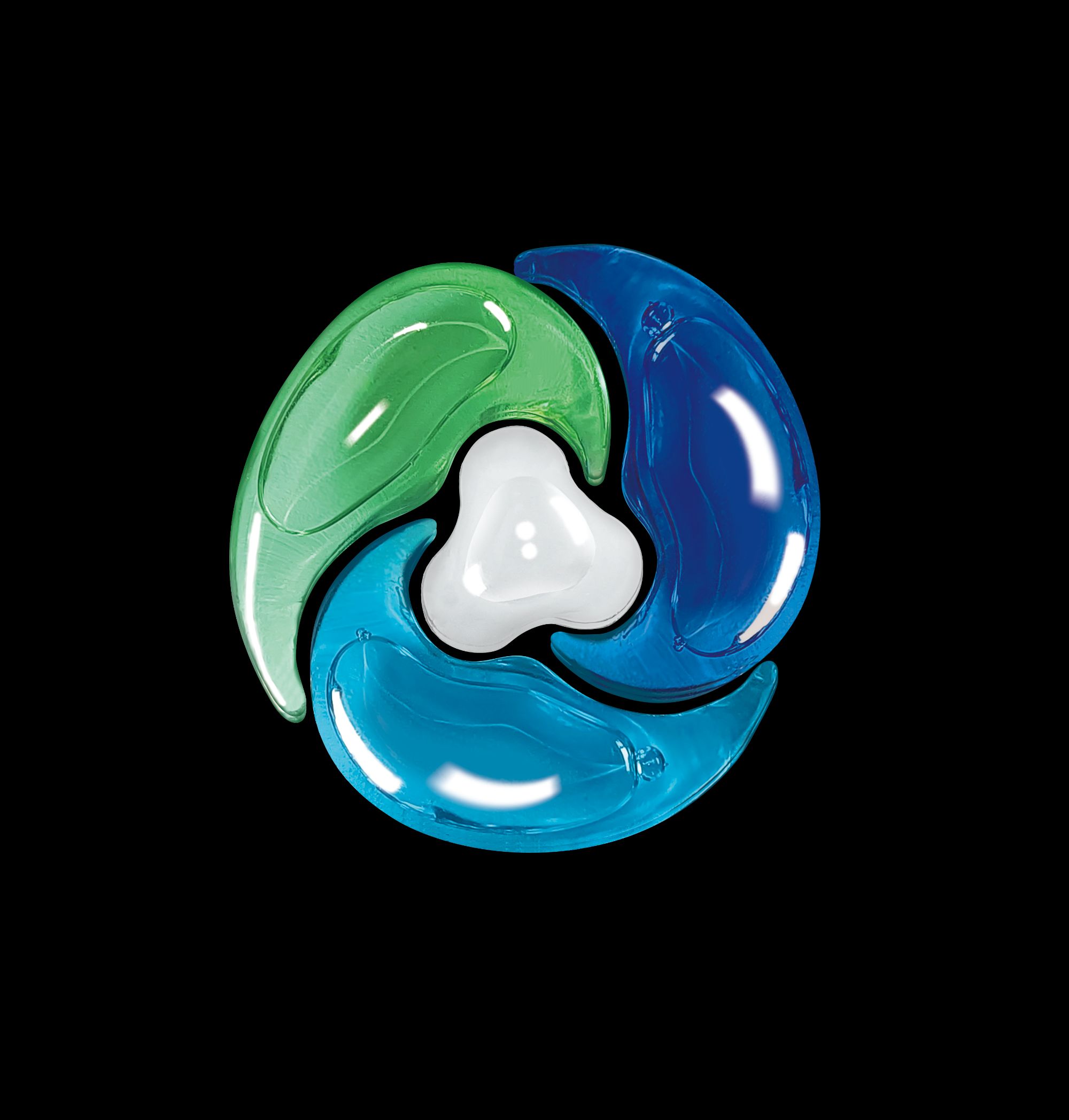
The first thing you notice about these private label pods is the shape. Instead of the usual rounded blob, they feature a sculpted profile with a subtle ridge that catches the light. It's a small detail, but it makes them feel less like a commodity and more like a considered product. The color palette leans toward muted, earthy tones—nothing too bright or artificial—so they sit quietly on a shelf without shouting for attention.
Cleaning performance is where the real difference shows up. These pods dissolve at a slightly slower rate, which gives the surfactants time to activate fully in both hot and cold water. Grease doesn't stand a chance, and hard-water stains lift without leaving that chalky residue you often get with cheaper formulas. They also rinse cleaner, which means fewer streaks on glassware and no slippery film left behind on dishes.
What ties it all together is the sense that someone actually thought about the user. The pods are individually wrapped in a thin, water-soluble film that doesn't crinkle or stick to your fingers. The box has a matte finish with a simple tear strip, so opening it feels like unwrapping a small gift rather than wrestling with a plastic tub. It's the kind of quiet upgrade that turns a routine chore into something a little more pleasant.
OEM Customization That Goes Beyond a Logo Slap
Most suppliers treat OEM as a sticker on the front panel. That approach falls apart the moment your product has to live in a specific environment, hit a target BOM cost, or mount into an existing chassis. Real customization starts with the enclosure: swapping in a different alloy for corrosion resistance near saltwater, changing the cutout geometry so the display fits flush with your housing, or moving the connector block to the left side because your cable routing demands it. These are not premium add-ons—they’re standard conversations we have before tooling begins.
Firmware is where many OEM projects quietly fail. A generic build might expose a dozen settings your end users should never see, or lack a handshake protocol your host system already uses. We strip out what you don’t need, add the few commands your team actually relies on, and version-control the image so every production run matches your last sign-off. One recent order involved a custom UART response format that reduced integration time from three days to under an hour—nothing visual, but it changed how the product fit into the line.
Even packaging and labeling can be built around your downstream process rather than ours. If your fulfillment center scans barcodes in a particular orientation, we print them that way. If you need each unit paired with a unique MAC address label before it enters your inventory, that happens at our end. The point is that OEM shouldn’t mean you adapt to a vendor’s default; it should mean the hardware, software, and unboxing experience all respect the product you’re actually shipping.
Inside the Pod: What Makes Four Chambers Worth the Switch
Switching pod systems usually means trading one set of frustrations for another. Four Chambers flips that. From the first draw, the airflow feels less like a compromise and more like it was shaped around actual breathing patterns. The coil placement isn't an afterthought either; it's low enough to keep the flavor dense without turning every pull into a hot, crackling mess.
The real reason to stay, though, is the chamber design. Most pods either flood after a refill or leave the last few drops stranded. This one routes the liquid through four distinct reservoirs, so the wick stays soaked at any angle, and you're not babysitting a fill line. It's the kind of detail that sounds minor until you realize you haven't wiped a leak off your mod in a week.
From Private Label to Preferred Choice: The Laundry Pod Reality
A decade ago, most people picked up a private label laundry pod only when the name-brand box was out of reach. The cleaning was acceptable, but the pods often dissolved unevenly, left streaks on dark fabric, or smelled faintly of cardboard.
That perception is changing fast. Several major retailers have rebuilt their pod formulas around high-efficiency enzymes and switched to a film that breaks down reliably in both cold and hot water. In blind-use tests, store-brand pods now regularly match or beat national alternatives on stain removal and scent retention. The packaging may not carry a famous logo, but the performance gap has essentially disappeared.
As a result, more households treat private label as their first choice, not a fallback. They stock up because the pods work consistently and cost less per load. For a growing number of buyers, the smartest move is no longer choosing between quality and price—it is simply reaching for the plain white box.
FAQ
Each chamber isolates a specific active ingredient until the wash cycle begins, so the enzymes, brighteners, and stain removers don't neutralize each other during storage. That means stronger performance in cold water and less residue on synthetic fabrics.
Yes, the OEM setup allows you to adjust fragrance strength, pod size, color coding, and even the cleaning formula per chamber. Minimum order quantities are lower than you'd expect for a four-chamber design, and the manufacturer provides ready-to-use packaging templates.
The pod film dissolves completely in both hot and cold cycles, including short HE washes. The surfactants are biodegradable, and the formula is phosphate-free, so it's compatible with standard septic systems. We still recommend keeping the pods in a dry, closed container.
The four chambers usually target stain lifting, brightening, odor neutralization, and fabric softening or color protection. That replaces separate detergents, boosters, and softeners for most everyday loads, which is a strong selling point on a private label box.
Manufacturers offer a set of base fragrances—like linen, citrus, and unscented—and can match custom scent profiles if order volume allows. The pod film color and box design can be tailored per region, so one formula can be sold under multiple brand names without cross-market confusion.
Reputable OEM plants run filled-pod weight checks, seal integrity tests, and cold-water dissolution tests on every batch. You should ask for third-party lab results on enzyme activity and phosphate content, but most private label suppliers provide these without extra charge.
Conclusion
Four chambers aren't a gimmick. Each compartment holds a separable formulation, so stain removers, brighteners, fabric softeners, and odor neutralizers stay isolated until the wash cycle triggers their release. That separation matters because certain enzymes lose potency when stored next to bleach activators or alkaline builders. The result is not just cleaner laundry but a feel that survives until the next wear—no stiff residue, no fading, no lingering 'detergent' smell. For private label brands, that translates into a product that competes with national names on measured performance, not price alone.
OEM customization can go deeper than a logo on a tub. A manufacturer can adjust viscosity, pod film thickness, fragrance type, even the number of chambers per dose based on regional water hardness or consumer preferences. So a retailer can offer a four-chamber pod with a lavender and eucalyptus scent, a clear film that dissolves in cold water, and a packaging format that fits a subscription box. That kind of tailoring changes the customer relationship: instead of buying 'the store's cheap pods,' they buy 'the pod that actually works on my kid's soccer uniforms.' Over time, the private label becomes the preferred choice because the product itself carries the brand promise—not just the label on the outside.
Contact Us
Contact Person: Zhao Yanlong
Email: [email protected]
Tel/WhatsApp: 8615832007309
Website: https://www.gzlanjieya.com