

Non-Oriented Electrical Steel: Essential Export Guide for Global Manufacturers
2026-04-14
In the rapidly evolving landscape of global manufacturing, exporting non-oriented electrical steel presents unique challenges and opportunities. This essential guide delves into the intricacies of navigating international markets, offering actionable insights for manufacturers aiming to expand their reach. At the forefront of innovation and quality, Jiangsu Baowu New Materials leads the way in providing cutting-edge solutions. Whether you're a seasoned exporter or just starting out, this blog will equip you with the knowledge to thrive in the competitive world of electrical steel exports. Discover strategies, best practices, and expert tips tailored to help you succeed on a global scale.
Understanding Non-Oriented Electrical Steel: Key Properties and Applications
Non-oriented electrical steel, often overshadowed by its grain-oriented counterpart in discussions about efficient energy conversion, is actually a powerhouse in its own right. It's crafted from silicon steel and lacks the magnetic anisotropy seen in other types, giving it a consistent performance across all directions. This makes it indispensable for devices where magnetic flux doesn't follow a single, predictable path. You'll find it at the heart of electric motors, generators, and transformers, especially in applications requiring versatility over high-end efficiency, such as household appliances and industrial machinery.
Digging into its key properties, non-oriented electrical steel boasts low core loss, which minimizes energy wastage as heat during operation, and high magnetic permeability, allowing it to respond swiftly to magnetic fields without hefty power demands. It also maintains a stable magnetic flux density, crucial for consistent performance under varying loads. Unlike some specialized materials, it doesn't sacrifice durability for function, offering good mechanical strength that withstands the rigors of manufacturing and long-term use, making it a reliable choice in demanding environments where reliability is just as important as efficiency.
When it comes to applications, this steel shines in scenarios where directionality isn't a priority but robust performance is. It's the go-to material for the stators and rotors of AC motors in everything from washing machines to power tools, where its isotropic nature handles multi-directional magnetic fields seamlessly. In generators, it ensures stable output even with fluctuating inputs, and in transformers for distribution systems, it helps maintain voltage regulation without the need for precise alignment. Its adaptability also extends to emerging tech like electric vehicle drivetrains and renewable energy systems, where it supports the transition to greener power by enabling efficient, durable components that can handle diverse operating conditions.
Navigating International Markets: Export Regulations and Compliance Essentials
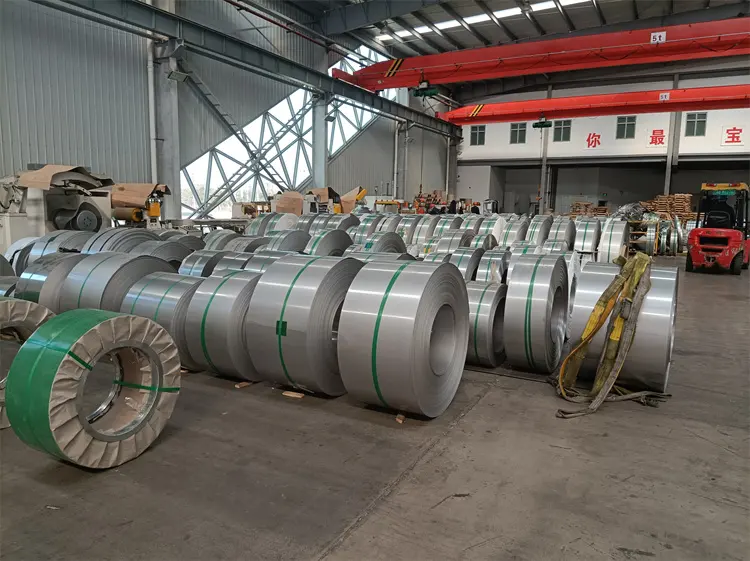
When expanding your business internationally, understanding export regulations isn't just a legal necessity—it's a strategic advantage. Different countries have varying rules on what can be exported, where it can go, and who can receive it, often influenced by trade agreements, sanctions, or national security concerns. Failing to comply can lead to hefty fines, shipment delays, or even criminal charges, which can severely impact your operations and reputation. By getting a handle on these regulations early, you can streamline your supply chain, avoid costly mistakes, and ensure smoother market entry, giving you a competitive edge in global trade.
Compliance goes beyond just checking boxes; it involves building a proactive system tailored to your specific export activities. This includes classifying your products accurately using tools like the Harmonized System (HS) codes, screening customers and partners against restricted lists, and maintaining detailed records for audits. Many companies find value in investing in compliance software or training staff to stay updated on changes, as regulations can shift with political climates. A robust compliance framework not only mitigates risks but also fosters trust with international clients, demonstrating your commitment to ethical and lawful business practices.
To stand out in the crowded global market, don't just treat compliance as a hurdle—view it as an opportunity to differentiate your brand. By going beyond the basics, such as implementing sustainable export practices or ensuring data privacy in cross-border transactions, you can appeal to conscientious consumers and partners. Regularly reviewing and adapting your strategies based on real-world feedback and emerging trends can help you navigate complexities more effectively, turning regulatory adherence into a cornerstone of your international success story.
Sourcing and Production Insights for Quality Non-Oriented Steel
When it comes to sourcing top-notch non-oriented electrical steel, the journey often begins with selecting raw materials that boast low levels of impurities like silicon and carbon. Many manufacturers have shifted toward partnering with specialized suppliers who can provide consistent, high-purity iron ore, ensuring the base metal meets stringent requirements right from the start. This focus on quality inputs not only enhances magnetic properties but also reduces waste during processing, making it a critical step in the overall production chain.
During production, advanced rolling and annealing techniques play a pivotal role in achieving the desired grain structure and magnetic permeability. Unlike traditional methods, modern facilities employ precise temperature controls and rapid cooling processes to minimize core losses, which is essential for applications in motors and transformers. By fine-tuning these parameters, producers can tailor the steel's performance to specific industrial needs, offering a level of customization that sets it apart from standard grades.
Insights into the finishing stages reveal that surface treatments and coating applications are more than just protective measures; they directly influence the steel's efficiency and longevity. Innovations in insulation coatings, for example, have led to thinner, more effective layers that reduce eddy current losses without compromising durability. This attention to detail in the final steps ensures that the material not only meets but exceeds performance benchmarks, providing a reliable solution for energy-efficient designs.
Packaging and Logistics Strategies to Ensure Safe Global Shipment
When shipping products across continents, the right packaging can make all the difference. It's not just about a sturdy box; it involves smart materials like corrugated cardboard, bubble wrap, or custom foam inserts tailored to the item's shape. But what truly sets safe shipments apart is anticipating challenges—think moisture-resistant layers for humid climates or shock-absorbing designs for rough handling at ports. A hands-on approach here, like adding QR codes for real-time tracking, can prevent delays and damage, keeping your goods secure from warehouse to doorstep.
Logistics strategies play a crucial role in navigating the complexities of global transit. Instead of relying on standard routes, savvy companies might use multimodal transport, combining air, sea, and land options to balance cost and speed. Partnering with experienced freight forwarders who understand regional regulations can cut through red tape, ensuring smoother customs clearance. By integrating technology, such as IoT sensors for temperature monitoring or predictive analytics to avoid bottlenecks, shipments become more resilient, reducing the risk of unexpected issues that often plague international trade.
To truly excel, blending packaging and logistics into a cohesive plan is key. This might mean designing reusable packaging that's lightweight yet durable, cutting both shipping costs and environmental impact. Regularly reviewing and adapting strategies based on shipment data—like analyzing damage reports or transit times—helps refine processes over time. In the end, it's about creating a seamless journey where every detail, from the initial wrap to the final delivery, is optimized for safety, ensuring your products arrive intact and on schedule without breaking the bank.
Building Competitive Advantage through Customization and Innovation
In today's fast-paced market, customization and innovation aren't just buzzwords—they're essential drivers for staying ahead of the curve. Companies that tailor their products or services to meet specific customer needs often create stronger loyalty and differentiate themselves from competitors. By leveraging data and feedback, businesses can craft personalized experiences that resonate deeply, turning casual buyers into devoted advocates.
Innovation, on the other hand, pushes boundaries and opens new avenues for growth. It's about more than just tweaking existing offerings; it involves rethinking processes, embracing new technologies, and fostering a culture that encourages creative problem-solving. When innovation is paired with customization, it allows firms to not only meet current demands but also anticipate future trends, ensuring they remain relevant in an ever-evolving landscape.
Ultimately, the synergy between customization and innovation builds a robust competitive edge that's hard to replicate. This approach transforms how brands connect with their audience, making every interaction feel unique and forward-thinking. As industries shift, those who master this blend will likely lead the pack, setting standards rather than just following them.
Market Entry Tips: Connecting with Buyers and Distributors Worldwide
Building a network of buyers and distributors globally isn't just about sending out cold emails—it's about crafting relationships that thrive on trust and shared goals. Start by doing your homework: dive deep into market research to understand local preferences, regulations, and competition. Tailor your approach based on cultural nuances; what works in one region might fall flat in another. Leverage international trade shows and B2B platforms as launching pads, but focus on quality over quantity—seek out partners who genuinely align with your brand's vision for sustainable growth.
To stand out, move beyond generic pitches by showcasing what makes your product unique through compelling storytelling and concrete data. Use social media and targeted outreach to engage potential contacts in meaningful conversations, highlighting how your offering solves specific problems they face. Foster connections through follow-ups and personalized interactions, ensuring you're seen as a reliable partner rather than just another vendor. This human-centric approach helps bridge gaps and builds credibility, making it easier to navigate complex global supply chains.
Consider forming strategic alliances or pilot programs with distributors to test the waters in new markets, allowing for adjustments based on real-time feedback. Stay adaptable by continuously monitoring trends and be ready to pivot your strategy if needed. Ultimately, success in connecting worldwide hinges on patience, persistence, and a commitment to fostering mutual benefits that resonate across borders.
FAQ
Non-oriented electrical steel offers high magnetic permeability and low core loss, making it critical for efficient motors and transformers, which drives its demand in international trade for energy-saving applications.
Exporters should adhere to standards like IEC 60404-8 and ASTM A683, obtain certifications such as ISO, and conduct regular testing to meet regional regulations, which simplifies market access and builds buyer trust.
Utilizing moisture-resistant packaging, selecting freight methods based on cost and delivery time, and partnering with reliable logistics providers help minimize damage and delays in cross-border shipments.
Exporters face varying tariffs and trade barriers; staying updated on agreements like free trade pacts, consulting customs experts, and diversifying markets can mitigate risks and optimize pricing strategies.
Rapid industrialization in regions such as Southeast Asia and Africa creates growing demand; exporters can capitalize by tailoring products to local needs and building long-term partnerships with distributors.
Innovations in alloy composition, surface coatings, and green manufacturing processes enhance performance, while providing technical support and customization options attracts buyers seeking premium quality.
Sustainability is increasingly valued; exporters can emphasize recyclability, energy-efficient production methods, and carbon footprint reductions to appeal to environmentally conscious customers.
Currency volatility can impact profit margins; using forward contracts, pricing in stable currencies, and monitoring exchange rate trends helps manage financial risks for international sales.
Conclusion
This essential guide provides global manufacturers with a comprehensive roadmap for exporting non-oriented electrical steel, a specialized material crucial for efficient electric motors, transformers, and generators. Understanding its key properties—such as high permeability and low core loss—illuminates its diverse applications, from household appliances to industrial machinery, setting the foundation for market success. Navigating export regulations and compliance is paramount, requiring awareness of international standards, tariffs, and environmental policies to avoid costly delays. Insights into sourcing and production emphasize the need for high-quality raw materials and advanced manufacturing processes to ensure consistency and meet stringent global demands, directly impacting product reliability and customer trust.
Effective packaging and logistics strategies are vital for safeguarding shipments across continents, involving durable materials and optimized routes to prevent damage and reduce costs. Building a competitive edge through customization and innovation allows manufacturers to tailor products to specific client needs, fostering loyalty and capturing niche markets. Finally, market entry tips focus on connecting with global buyers and distributors via targeted networking, digital platforms, and value-driven communication, ensuring long-term relationships. By integrating these aspects, manufacturers can streamline exports, enhance product appeal, and thrive in the competitive global landscape of non-oriented electrical steel.
Contact Us
Contact Person: Zoe Liang
Email: [email protected]
Tel/WhatsApp: 86 189 2128 6299
Website: https://www.baowuchina.com