

Ground Screws in China: Essential Solar Foundation Solutions
2026-01-31
Welcome to the world of solar foundations! Ground screws, a game-changing innovation, are revolutionizing how solar panels are installed across China. As the demand for renewable energy soars, efficient and eco-friendly solutions like ground screws are becoming essential. Discover how these versatile components can simplify your solar projects and enhance durability. At the heart of this transformation is Energet Solar, a leader in providing cutting-edge solar foundations. Ready to explore the benefits and applications of ground screws? Let's dive in!
Introduction to Ground Screws for Solar Installations in China
In recent years, China's rapid push toward renewable energy has spotlighted ground screws as an increasingly popular foundation solution for solar panel installations. Unlike traditional concrete foundations, ground screws offer a more efficient and eco-friendly alternative, particularly in the varied terrains across the country. From the rocky hills of Yunnan to the sandy soils of Inner Mongolia, these innovative anchors provide robust stability while minimizing site disruption and installation time.
What sets ground screws apart in the Chinese market is their adaptability to local conditions. Manufacturers have developed specialized designs to handle everything from seismic activity in earthquake-prone areas to corrosion resistance in coastal regions with high humidity. This customization ensures that solar arrays can be deployed quickly and reliably, even in remote locations where transporting heavy concrete would be impractical or costly.
As China continues to expand its solar capacity, ground screws are becoming a go-to choice for both utility-scale projects and smaller commercial setups. Their reusability and minimal environmental footprint align well with the country's sustainability goals, while the reduced labor and material costs make them an economically attractive option. This shift toward screw foundations is not just a trend; it's reshaping how solar infrastructure is built across the nation.
Advantages of Ground Screws Over Traditional Solar Foundations
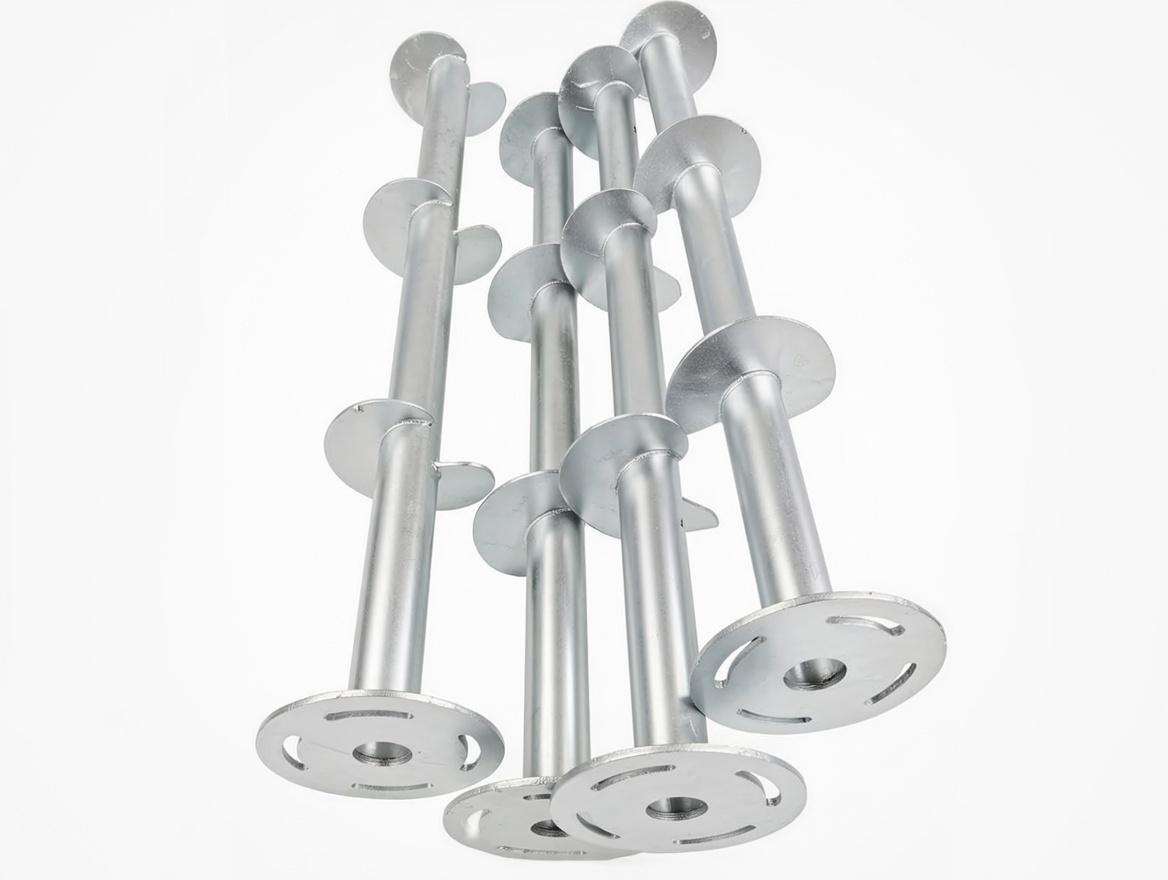
When you're setting up a solar array, the foundation can make or break your timeline and budget. Ground screws, also known as screw piles, have been gaining traction because they cut through the usual hassles. Unlike concrete foundations that need curing time and can be a logistical nightmare in remote areas, these helical anchors just twist right into the soil. That means you can install them quickly, even in tricky spots with slopes or limited access, and get your panels up and running sooner without waiting weeks for concrete to set. It’s like swapping out heavy machinery for a nimble drill—less fuss, more efficiency.
Beyond speed, ground screws bring a level of flexibility that concrete foundations struggle to match. Imagine a site where soil conditions are unpredictable or you need to expand the solar setup later. With traditional concrete, you’re pretty much stuck with what you pour, but screw piles can be adjusted or removed with relative ease. This adaptability not only reduces long-term risks but also makes decommissioning or relocating panels a breeze—no messy excavation or leftover concrete chunks. Plus, they often require less heavy equipment, which translates to lower carbon footprints and fewer disruptions on-site, appealing to eco-conscious projects.
Let’s talk durability and cost-effectiveness. Ground screws aren’t just a temporary fix; they’re built to withstand harsh weather and shifting soils, thanks to their deep anchoring. While concrete can crack over time or in freeze-thaw cycles, screw piles maintain stability with less maintenance. On the financial side, although upfront costs might vary, the savings from faster installation, minimal site prep, and reduced labor add up quickly. There’s no need for extensive digging or hauling in tons of material, making them a smart choice for projects where every dollar and day counts. In short, they offer a sturdy, future-proof solution that keeps solar investments solid and scalable.
Installation Process and Best Practices for Ground Screws in China
Installing ground screws in China demands careful planning and site-specific adjustments to accommodate diverse soil types and environmental regulations. Begin by conducting a thorough site analysis, which includes soil testing to determine load-bearing capacities and moisture levels, crucial in regions like the clay-rich Yangtze River Delta. Use specialized machinery, such as hydraulic drive units, to ensure precise installation without disturbing surrounding structures. It's advisable to coordinate with local authorities to secure necessary permits, as China's building codes, particularly in seismic zones, require strict adherence to safety standards. Proper alignment and torque settings are key to achieving stable foundations, especially in urban areas where space constraints may complicate the process.
Best practices in China emphasize efficiency and sustainability, leveraging local expertise and advanced materials to enhance durability. Opt for corrosion-resistant coatings, like hot-dip galvanization, to withstand humid climates common in southern provinces. For projects in northern areas, consider frost heave protection by installing screws below the frost line, a critical step given China's varied climate zones. Ensure regular quality checks during installation, using tools such as torque gauges, to verify that each screw meets load requirements. Collaboration with experienced local contractors can provide insights into regional challenges, such as dealing with rocky terrain in mountainous regions, helping to avoid delays and cost overruns.
To stand out, integrate innovative techniques and cultural considerations into your ground screw projects in China. For instance, employ pre-drilling methods in hard soil areas to reduce installation time and equipment wear, showcasing a commitment to precision. Emphasize eco-friendly practices by recycling excavated material on-site, aligning with China's growing focus on green construction. Tailor solutions to local architectural styles, ensuring screws complement traditional designs in heritage sites while meeting modern engineering needs. By combining technical rigor with regional adaptability, you can deliver reliable, long-lasting foundations that exceed standard expectations and resonate with Chinese market demands.
Material and Manufacturing Standards of Ground Screws in the Chinese Market
In China, ground screws often rely on galvanized steel or mild steel for durability and cost-effectiveness, with carbon content adjustments to balance strength and corrosion resistance in diverse climates. Manufacturing adheres to national standards like GB/T 1499.2 for structural steel, ensuring consistent quality through processes such as cold forming and hot-dipping, tailored to local soil conditions and load specifications.
Innovations like pre-galvanized coatings and advanced threading techniques enhance performance, while industry practices emphasize third-party testing to meet certifications including ISO standards, though regional variations in application requirements drive customized production approaches.
This focus on adaptable materials and rigorous oversight helps Chinese-made ground screws compete globally, with an emphasis on long-term reliability and environmental compliance in construction projects.
Case Studies: Successful Solar Projects Using Ground Screws in China
As solar energy adoption accelerates across China, innovative solutions like ground screws are reshaping project efficiency and sustainability. Ground screws, a type of helical pile foundation, offer a compelling alternative to traditional concrete bases by slashing installation time and reducing environmental footprint. In the vast, varied terrains of China, from rocky northern provinces to coastal floodplains, these anchors have proven their versatility and resilience, enabling projects to proceed with minimal disruption to the landscape.
In the remote highlands of Qinghai, a 50-megawatt solar farm leveraged ground screws to withstand harsh, permafrost conditions where concrete foundations would have faltered. The swift, machinery-free installation process not only cut project timelines by 30% but also preserved the delicate alpine ecosystem, aligning with China's green energy goals. This success story showcases how ground screws can overcome geographical challenges while supporting rapid renewable expansion.
Meanwhile, in urban-adjacent areas like Jiangsu, a commercial rooftop-to-ground solar array used ground screws to navigate densely packed soil and space constraints. The adaptability of these foundations allowed for precise alignment and load distribution, optimizing energy output without extensive excavation. Such projects highlight ground screws' role in making solar installations more accessible and cost-effective across diverse settings in China.
Future Trends and Innovations in Ground Screw Technology for Solar Energy
Ground screw technology is rapidly evolving to meet the demands of larger and more complex solar installations, with a clear shift towards modular and scalable designs. Instead of one-size-fits-all solutions, manufacturers are focusing on adaptable systems that can be easily installed on varied terrains—from rocky hillsides to soft, sandy soils—without extensive site preparation. This flexibility not only cuts down installation time but also reduces environmental disruption, making solar projects more sustainable from the ground up. Advances in corrosion-resistant materials, such as galvanized steel alloys and specialized coatings, ensure durability in harsh climates, while smart monitoring systems integrated into screws allow for real-time load and stability checks, preventing costly failures over the system's lifetime.
Innovation is also being driven by precision engineering and automation, where AI-assisted designs optimize screw placement for maximum structural integrity and minimal material use. Portable, robotic installation equipment is emerging to handle tricky sites with minimal human intervention, improving safety and consistency. These tools can adjust screw depth and angle on-the-fly based on soil sensors, ensuring a secure fit even in unpredictable ground conditions. Additionally, hybrid systems that combine screws with other foundation types, like ballasted or helical piles, are gaining traction for ultra-large solar farms, offering customized solutions that balance cost, speed, and load-bearing capacity without compromising on reliability.
The push for sustainability extends to end-of-life considerations, with trends favoring easily removable and recyclable screw designs that leave sites virtually undisturbed after decommissioning. Lightweight, high-strength composites are being tested to further reduce carbon footprints during manufacturing and transport. As solar energy expands into urban and floating applications, ground screws are being tailored for rooftop arrays and water-based installations, showcasing their versatility beyond traditional fields. These innovations promise to make solar power more accessible and efficient, driving down overall project costs while enhancing long-term performance in an increasingly competitive energy landscape.
FAQ
Ground screws are helical piles driven into the soil to support solar panel structures, offering faster installation and less environmental disruption compared to concrete or ballast-based foundations.
China's rapid expansion of renewable energy, large-scale solar farms, and diverse terrain make ground screws ideal for quick deployment and soil adaptability across varied landscapes.
They allow for installation on uneven or sloped ground with minimal excavation, reducing site preparation time and costs while maintaining stability in areas prone to erosion or frost heave.
While initial costs may be similar, ground screws save money long-term through faster installation, reduced labor, and minimal maintenance, making them economically viable for large projects.
Factors include soil conditions, load requirements, local regulations, and climate, as proper design ensures longevity and performance in China's varied regions from deserts to coastal areas.
Yes, they cause minimal soil disturbance, are fully recyclable, and reduce carbon emissions from concrete production, aligning with China's sustainability goals for clean energy infrastructure.
Their modular design allows for easy expansion or relocation of solar arrays, supporting China's dynamic energy needs and facilitating rapid adjustments to grid demands.
Advances include improved corrosion-resistant coatings, automated installation tools, and smart monitoring systems to optimize performance in harsh conditions like high humidity or seismic zones.
Conclusion
Ground screws are revolutionizing solar foundation solutions in China by offering a versatile and efficient alternative to traditional methods. This introduction highlights their rising adoption across various solar projects, from small-scale residential setups to large industrial installations. Unlike conventional foundations that require extensive excavation and concrete pouring, ground screws provide a quicker, less invasive installation process. Their design allows for easy adaptation to diverse soil conditions, making them particularly suitable for China's varied geographical landscapes. By minimizing environmental disruption and reducing material waste, ground screws align with China's sustainability goals while addressing the logistical challenges of solar deployment in remote or difficult terrains. This approach not only speeds up project timelines but also enhances the overall durability and stability of solar structures.
The advantages of ground screws extend beyond their installation benefits to include superior load-bearing capacity and resistance to environmental factors like frost heave and corrosion. In the Chinese market, manufacturers adhere to strict material and manufacturing standards, ensuring high-quality products that meet both domestic and international safety requirements. Successful case studies across China demonstrate their effectiveness in projects ranging from rural electrification initiatives to urban commercial solar farms. Looking ahead, innovations in ground screw technology are poised to further optimize solar energy systems through smart integration and improved materials. These future trends suggest that ground screws will continue to be essential in China's push toward renewable energy, offering scalable and adaptable foundation solutions that support the country's ambitious solar targets and contribute to a greener energy landscape.
Contact Us
Contact Person: Simon
Email: [email protected]
Tel/WhatsApp: 8613672181100
Website: https://energetsolar.com/