

Flame Retardant Blinds Factory Quality Checklist for Buyers
2026-09-23
When sourcing flame retardant blinds, buyers often focus on price and lead time—but without a rigorous factory quality checklist, you risk non-compliant materials, inconsistent fire ratings, and costly returns. That’s where a structured evaluation becomes your best defense. In this guide, we break down the essential checks you should perform before placing an order, from raw fabric certification to final assembly. And if you're looking for a manufacturer that already ticks every box, ROLLERGY has built its reputation on transparent, verifiable quality—so you can buy with confidence, not guesswork.
Verify Fire Ratings Before You Step Inside the Factory
Checking fire ratings often feels like a chore until you realize a single overlooked certificate can void your insurance and put lives at risk. Walk the perimeter first, then ask to see the original test reports for wall assemblies, doors, and ceiling materials—not copies or verbal assurances. Look for the specific UL or ASTM designation stamped on each component, because a rating that exists only on paper is no rating at all.
Many factory owners assume that because a building passed inspection years ago, everything inside still meets code. Renovations, moisture damage, or even a change in the production process can degrade fire barriers quietly. Pull back a few ceiling tiles and check whether penetrations are sealed with the correct intumescent caulk, not just expanding foam. If you spot gaps around conduits or pipes, treat that as a red flag—heat and smoke move through those openings long before flames do.
Don’t stop at the main floor. Mezzanines, storage lofts, and electrical rooms often get skipped during routine checks. Ask to see the fire door test labels and verify that door closers actually latch without a gap at the bottom. A rating is only as good as its weakest installation detail, and factory environments rarely stay static. If the paperwork doesn’t match what you see on site, walk away until it does.
Trace the Fabric Back to Its Test Reports
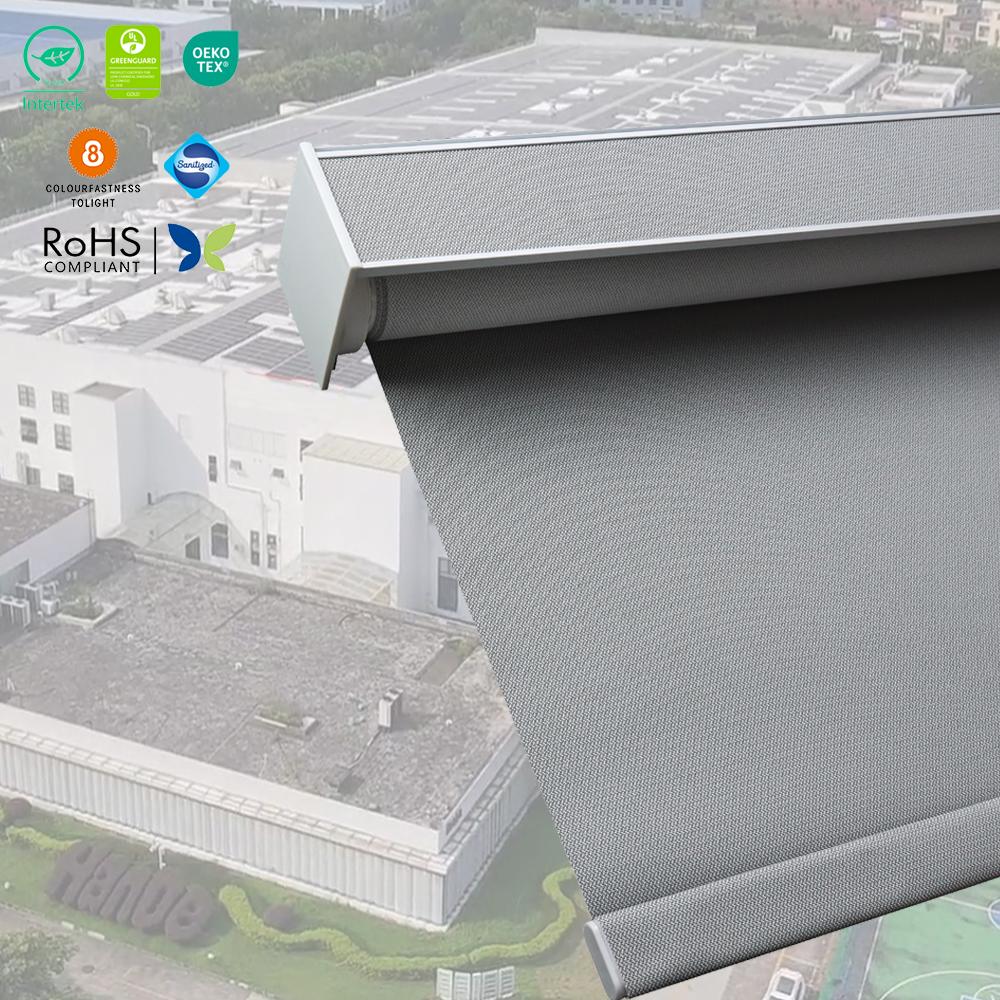
A fabric can feel beautiful in the hand and still fail you on the sofa six months later. That's why the smartest interiors work starts in a folder most people never open: the test reports. Every run of fabric we specify comes with documentation from independent labs, and those numbers tell you what a showroom sample cannot.
Look for results on abrasion resistance—usually measured in Martindale cycles—along with colorfastness to light, wet and dry crocking, and seam slippage. A report that lists 40,000 cycles without noticeable wear, a grade 4–5 for lightfastness, and no visible cracking after flex testing gives you a realistic lifespan, not just a pretty swatch.
When something goes wrong, the test report is also your first piece of evidence. If a batch arrives with unexpected pilling or fading, you pull the original data and compare it to the incoming lot. That paper trail ties the fabric on your chair back to the exact dye lot, fiber blend, and finishing process that was tested—so quality isn't a claim, it's a record.
Watch How the Seams and Coatings Hold Up Under Heat
Place the item under a direct heat source and watch the stitched edges first. Most failures start where two materials meet, so keep an eye on any pulling, gapping, or tiny bubbles forming along the seam line. A well-bonded seam won't shift or curl even when the surface temperature climbs.
Coatings tend to reveal their weak points within the first minute of exposure. Look for dull spots that turn glossy, then begin to lift at the edges. If the finish is heat-stable, it should stay flat and uniform instead of blistering or peeling away from the base layer.
After the heat is removed, check the material as it cools. Some coatings tighten and crack, while others relax back into place without visible damage. The difference between a durable bond and a surface-level treatment often shows up in those final seconds.
Ask for Batch-Level Compliance, Not Just a Wall Certificate
A framed certificate in the lobby says little about the specific materials or components arriving at your dock this week. Certification bodies audit systems, not every production run. If you rely solely on that wall document, you're trusting that a snapshot from an earlier audit still holds for today's shipment—and that assumption can quietly introduce risk.
Batch-level compliance means the supplier verifies and documents key properties for each manufactured lot: raw material traceability, dimensional checks, performance test results, or chemical composition depending on the product. Ask for the actual batch certificate, test report, or certificate of analysis tied to the lot number you're receiving. That record should be available before or with delivery, not after a problem surfaces.
Suppliers who push back on batch documentation often reveal gaps in their process control. Strong partners treat lot-specific evidence as routine, not as a special request. Making this a standard requirement in your purchasing terms shifts the conversation from a one-time audit promise to ongoing, verifiable performance—and gives you something concrete to file, review, and act on if results drift.
Inspect the Quality Control Stations Along the Line
Walking the line, you quickly notice that quality control stations aren't just checkpoints—they're where the product either earns its right to move forward or gets pulled aside. Each station has its own rhythm, but they all share a common purpose: catching defects before they compound downstream. The first thing to inspect is whether the station's location still makes sense given current production flow. A station that was perfectly placed last quarter might now be causing bottlenecks if upstream processes shifted. Look for signs of strain, like built-up queues or operators rushing through checks.
Once you've confirmed the station's placement, dig into the actual controls. Check the calibration dates on gauges and sensors, and don't just trust the sticker—run a quick verification sample if possible. The logs tell a story: are measurements trending toward the spec limits? If a station records only pass/fail without actual values, you're flying blind. Ask operators what they see; they often know which defects are slipping through but haven't had a channel to escalate. A simple rule is to spend ten minutes observing one cycle from start to finish without interrupting—you'll spot non-value-added motions and possible measurement errors that no report would reveal.
Finally, assess the station's reaction protocol. When something fails, what happens next? A good station has a clear, practiced containment procedure that triggers within minutes, not hours. If the operator has to leave the line to find a supervisor, the system is already broken. Check that the rejection area is clearly marked and that nonconforming parts don't accidentally find their way back into the flow. And remember: the goal isn't to make the numbers look good by rejecting less—it's to understand why the rejects are happening and feed that information back to the source. A quality control station that only sorts good from bad is doing half its job.
Check Whether the Factory's Own Lab Matches Third-Party Results
A factory's in-house lab can drift over time, so occasional cross-checks against an outside lab are the only real way to catch subtle equipment or operator issues. Instead of waiting for a customer complaint, pull a few recent production samples and send the same batch to both your own technicians and a third-party facility. Compare the numbers side by side, not just for pass/fail but for actual test values, because a consistent bias of a few percent can hide behind an overall “passed” label.
When the results line up within an agreed tolerance, that builds confidence in the internal data you rely on every day. If they don’t, it’s worth digging into the cause before the next shipment: calibration schedules, reagent age, sample prep habits, or even the test method version can all create gaps. Sometimes a third-party lab uses a slightly different standard, so asking them to follow your exact protocol removes one more variable.
Making this comparison a scheduled habit rather than a fire drill changes how problems surface. Quarterly or bi-annual matching, with records kept for each product line, gives you a trend line that can reveal slow drift long before it becomes a rejection. It also gives your quality team a straightforward answer when a buyer asks how you know your own numbers are trustworthy.
FAQ
Focus on the specific test standard cited, such as NFPA 701 or M1, and confirm the report is from an accredited third-party lab. Check that the fabric composition and weight on the report match the blinds you're actually buying, not a similar material. Also note the test date and whether the certificate is still valid for the current production batch.
Ask the factory how they batch and track treated fabric. A reliable plant will have clear lot numbers, retreatment logs, and periodic in-house flammability spot checks. You can also request samples from the middle of a production run, not just pre-production samples, to see if the treatment holds up after dyeing, coating, or finishing.
It depends on the destination market. For the US, NFPA 701 is common for drapery and blinds. In Europe, EN 13773 or EN 1101 may apply depending on the fabric type and end use. The UK often uses BS 5867 for curtains and blinds. Always confirm which standard your buyer expects and make sure the factory can provide the matching certificate.
Be wary if the factory cannot show raw material certificates for the base fabric or the flame retardant chemical. Also check whether the treatment area is separated from dust and lint, because contamination can reduce effectiveness. If the factory seems to rely on a single old test report for all orders without retesting new fabric lots, that's a serious concern.
Extremely important. A certificate for 100% polyester blackout fabric does not cover a cotton blend or a different weight. Even slight changes in weave density or coating thickness can affect flammability. Ask the factory to provide a cross-reference between the certificate, the purchase order, and the actual fabric roll labels.
Yes, and many experienced buyers do this. You can ask the factory to cut swatches from finished blinds at random and send them to an independent lab, or you can arrange third-party inspection with on-site flammability testing. This is more reliable than relying on a certificate issued months before production.
A solid documentation package includes the flame retardant chemical safety data sheet, batch treatment records, in-house test logs, third-party test reports for each fabric lot, and a final inspection report. The key is traceability: each roll or carton should be linked to a specific treatment batch and test result.
Ask for wash durability data or accelerated aging test results. Some treatments are topical and lose effectiveness after several washes, while others are inherently flame retardant fibers. If the blinds are likely to be cleaned, request a test report showing performance after the expected number of wash cycles, not just on brand-new fabric.
Conclusion
Before you even set foot on the production floor, confirm the fire ratings claim by asking to see current certificates matched to the specific fabric line you plan to order. Don't accept a glossy wall certificate from years ago; demand batch-level compliance records tied to the exact rolls being cut. Once inside, walk the line and observe whether operators at each quality control station actually log deviations or just check boxes. The way seams are taped and coatings applied tells you a lot: a factory that rushes this step often hides weaknesses that only appear under direct flame testing. Pay attention to how edge bindings and weighted bottom bars behave near heat, because a flame-retardant blind fails as a whole system, not just as isolated fabric.
Trace every fabric back to its original test report. A reputable maker will have files linking batch numbers to both in-house and independent lab results. Stop at the factory's own lab and compare their numbers with third-party reports for the same lot. If the two don't align within tolerance, walk away. Ask how often they recalibrate flammability test equipment and whether they keep failed samples for review. Look for clear records of coating thickness and seam reinforcement on the line, not just a final certificate. That level of transparency separates a supplier who genuinely controls fire safety from one who merely prints a label.
Contact Us
Contact Person: Vivien Cheng
Email: [email protected]
Tel/WhatsApp: +86 13751758835
Website: https://www.rollergytech.com/