

Dust Collector Manufacturer: Expert Solutions for Clean Air and Industrial Efficiency
2026-04-04
In today's fast-paced industrial world, maintaining clean air isn't just a regulatory requirement—it's a cornerstone of operational efficiency and workplace safety. As industries strive to reduce environmental impact and enhance productivity, the role of advanced dust collection technology has never been more critical. At Fanchang Machinery, we specialize in crafting expert solutions that go beyond mere filtration, delivering systems designed to optimize air quality and boost industrial performance. From manufacturing floors to processing plants, our innovative approaches ensure that every breath of air contributes to a healthier, more efficient environment. Dive into this blog to explore how cutting-edge dust collection can transform your operations, and discover why industry leaders trust Fanchang Machinery to pave the way toward a cleaner, more productive future.
Innovative Technologies Behind High-Performance Dust Collectors
High-performance dust collectors leverage advanced filtration mechanisms, such as pulse-jet cleaning systems that use bursts of compressed air to dislodge dust from filter media. This technology enhances efficiency by maintaining airflow and reducing downtime for maintenance. Additionally, innovations in filter materials, including nanofiber coatings, improve particle capture rates and extend the lifespan of the filters, making these systems more reliable in demanding industrial environments.
Another key innovation is the integration of smart sensors and IoT connectivity, which allow for real-time monitoring of pressure differentials and dust accumulation. This enables predictive maintenance, alerting operators before issues escalate, thus optimizing performance and reducing operational costs. By adapting to varying dust loads automatically, these intelligent systems ensure consistent air quality without manual intervention.
Furthermore, aerodynamic designs, such as cyclone pre-separators, work in tandem with filtration units to remove larger particles before they reach the filters. This dual-stage approach not only reduces wear on the filters but also enhances overall system efficiency. Coupled with energy-efficient motors and variable frequency drives, these technologies collectively contribute to sustainable operations by minimizing energy consumption and environmental impact.
Customized Systems for Diverse Industrial Applications
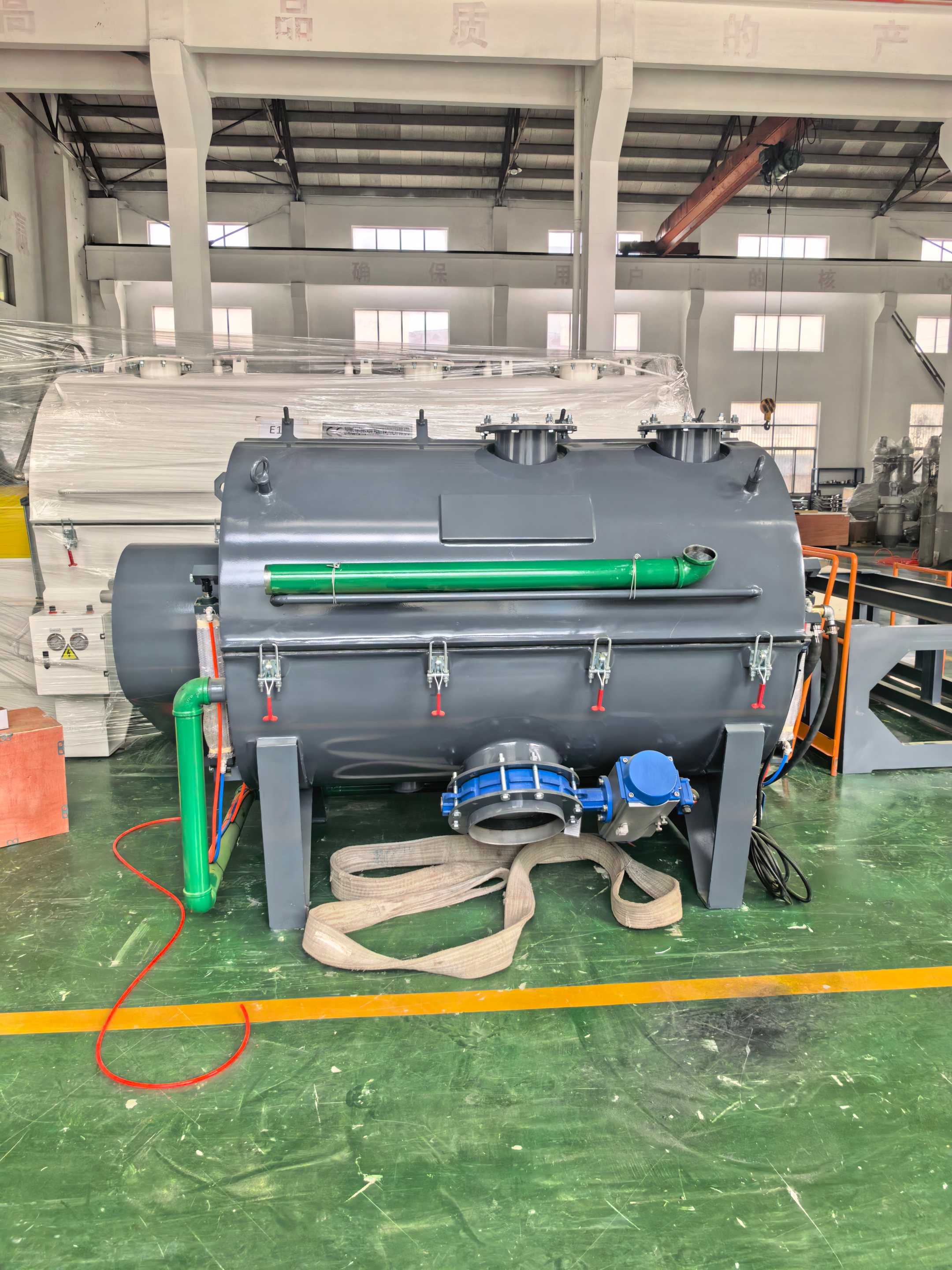
When tackling the unique challenges across different industries, off-the-shelf solutions often fall short, failing to address specific operational demands. Customized systems, tailored from the ground up, provide a precise fit, integrating seamlessly with existing workflows. These bespoke setups can handle specialized materials, unusual production scales, or niche compliance requirements, ensuring that each application runs smoothly without unnecessary compromises.
In fields like manufacturing, energy, or pharmaceuticals, adapting a system to fit exact needs not only boosts efficiency but also enhances safety and reliability. For instance, in environments with extreme temperatures or hazardous substances, custom designs incorporate robust components and fail-safes that standard options might overlook. This level of personalization helps companies avoid costly downtime and maintain a competitive edge by focusing on what truly matters in their particular sector.
Beyond mere functionality, these tailored systems can evolve alongside technological advancements, allowing for scalable upgrades without a complete overhaul. By prioritizing flexibility and precision, businesses can future-proof their operations, ensuring that their investments continue to yield returns as industry landscapes shift. Ultimately, embracing customization fosters innovation and resilience, turning unique challenges into distinct advantages.
Enhancing Workplace Safety and Air Quality with Advanced Filtration
Imagine walking into an office where the air feels crisp and clean, with employees breathing easier and focusing better throughout the day. Advanced filtration systems are revolutionizing how we approach workplace safety by targeting not just visible contaminants but also microscopic particles that often go unnoticed. These systems can significantly reduce exposure to allergens, dust, and volatile organic compounds, creating an environment where health risks are minimized and productivity naturally rises.
Beyond basic air purification, cutting-edge filtration technologies incorporate smart sensors and real-time monitoring, providing immediate feedback on indoor air quality. This proactive approach allows companies to address issues before they escalate, ensuring a consistently safe atmosphere. For industries dealing with hazardous materials or sensitive processes, such systems become indispensable, acting as silent guardians that protect both personnel and equipment from airborne threats.
Investing in advanced filtration isn't just about compliance; it's a forward-thinking strategy that enhances employee well-being and operational efficiency. By integrating these solutions, businesses demonstrate a genuine commitment to their workforce, fostering a culture of care that can lead to higher retention rates and a stronger reputation. Ultimately, cleaner air translates to a healthier, more resilient workplace where safety and quality go hand in hand.
Boosting Production Efficiency Through Smart Dust Management
Imagine a production floor where dust isn't just swept away, but transformed into an asset. Smart dust management systems integrate IoT sensors that monitor airborne particles in real-time, alerting maintenance teams before buildup affects equipment performance. By predicting when machinery needs cleaning, manufacturers reduce unexpected downtime and prolong the lifespan of sensitive components, leading to smoother operations and fewer costly interruptions.
Beyond merely controlling dust, these advanced systems collect data to optimize airflow and filtration. For example, targeted extraction points can be adjusted based on production activities, ensuring energy isn't wasted on areas with minimal dust generation. This intelligent approach not only improves air quality for worker safety but also cuts energy consumption, offering a dual benefit of operational efficiency and sustainability that sets businesses apart in competitive markets.
Sustainable Solutions for Reducing Environmental Footprint
In today's rapidly changing world, addressing our environmental footprint has become more critical than ever. By adopting sustainable practices, individuals and organizations can make a significant impact on reducing pollution, conserving resources, and promoting a healthier planet. From simple daily habits like recycling and using public transportation to innovative technologies such as renewable energy systems and green building materials, these solutions offer practical ways to minimize our ecological impact while fostering long-term resilience in the face of climate challenges.
One key area where sustainable solutions shine is in the realm of waste management. Instead of relying on traditional disposal methods that contribute to landfills and ocean pollution, many are turning to circular economy models that prioritize reuse, repair, and recycling. For example, businesses are implementing zero-waste initiatives by redesigning products to be more durable and biodegradable, which not only cuts down on waste but also creates new economic opportunities. This shift toward resource efficiency demonstrates how sustainability can be both environmentally friendly and economically viable, inspiring a wave of creativity in industries from fashion to manufacturing.
Moreover, embracing sustainable solutions extends beyond individual actions to collective efforts in community planning and policy-making. Urban areas are increasingly integrating green spaces, promoting electric vehicle infrastructure, and supporting local food systems to reduce transportation emissions. These initiatives not only lower carbon footprints but also enhance quality of life by improving air quality and fostering social cohesion. By weaving sustainability into the fabric of our societies, we can build a future that balances human needs with environmental stewardship, ensuring a thriving planet for generations to come.
Long-Term Reliability and Low-Maintenance Design Features
When it comes to products that need to stand the test of time, our approach centers on durable materials and smart engineering. Take our heavy-duty components, for instance—they're crafted from corrosion-resistant alloys and reinforced polymers, chosen not just for strength but also for minimal wear over years of use. This focus on longevity ensures that everything from daily operations to harsh conditions is handled with ease, reducing the need for frequent replacements and saving you hassle in the long run.
We prioritize a design philosophy that simplifies maintenance without sacrificing performance. Imagine systems where self-cleaning mechanisms or easily accessible parts allow for quick checks and minimal downtime. By integrating user-friendly features and straightforward diagnostics, we turn what used to be a chore into a seamless process, empowering users to manage upkeep confidently and independently, thereby enhancing overall reliability.
Beyond just avoiding breakdowns, our designs aim for consistent, trouble-free performance across diverse environments. Through rigorous testing and real-world feedback, we've fine-tuned aspects like thermal management and vibration resistance to prevent common issues before they arise. It's about crafting solutions that not only last but also adapt smoothly, ensuring your investment remains robust and dependable year after year, with little intervention required.
FAQ
Leading manufacturers provide advanced systems with features like high-efficiency filters, smart automation, and energy-saving designs, ensuring effective particle capture and reduced operational costs.
Industries can improve workplace safety, comply with environmental regulations, and enhance equipment longevity by reducing dust-related wear and contamination.
Modern dust collectors incorporate technologies like variable-speed drives, real-time monitoring, and improved airflow management, boosting efficiency by 20-30% compared to outdated systems.
Yes, manufacturers offer tailored solutions for sectors like woodworking or pharmaceuticals, with custom sizes, materials, and filtration levels to meet unique needs.
They help maintain consistent production by preventing downtime from dust buildup, reduce maintenance costs, and can even recycle materials for cost savings.
Look for manufacturers with proven expertise, comprehensive after-sales support, and a portfolio of successful installations in similar industries.
Emerging trends include IoT integration for predictive maintenance and sustainable designs using recycled materials, enhancing both performance and eco-friendliness.
Conclusion
In the realm of industrial operations, a dust collector manufacturer stands as a pivotal provider of expert solutions aimed at achieving clean air and enhanced industrial efficiency. These manufacturers leverage innovative technologies to develop high-performance dust collectors that not only capture particulate matter effectively but also incorporate advanced filtration systems to improve workplace safety and air quality. By customizing systems for diverse industrial applications, they ensure that solutions are tailored to specific needs, from manufacturing plants to construction sites, thereby optimizing dust management and boosting production efficiency through smarter, more integrated approaches.
Furthermore, the commitment to sustainable solutions is evident in designs that reduce environmental footprints, offering eco-friendly alternatives that align with modern regulatory standards. Emphasizing long-term reliability and low-maintenance features, these manufacturers provide durable equipment that minimizes downtime and operational costs. This holistic approach fosters safer work environments, supports industrial growth, and contributes to overall sustainability, making dust collectors essential components in maintaining efficiency and cleanliness across various sectors.
Contact Us
Contact Person: Darye WANG
Email: [email protected]
Tel/WhatsApp: 86-13501017897
Website: https://www.fcntd.com/