

China Automotive Refinishing: Key Trends and Growth Opportunities for the Automotive Aftermarket
2026-10-20
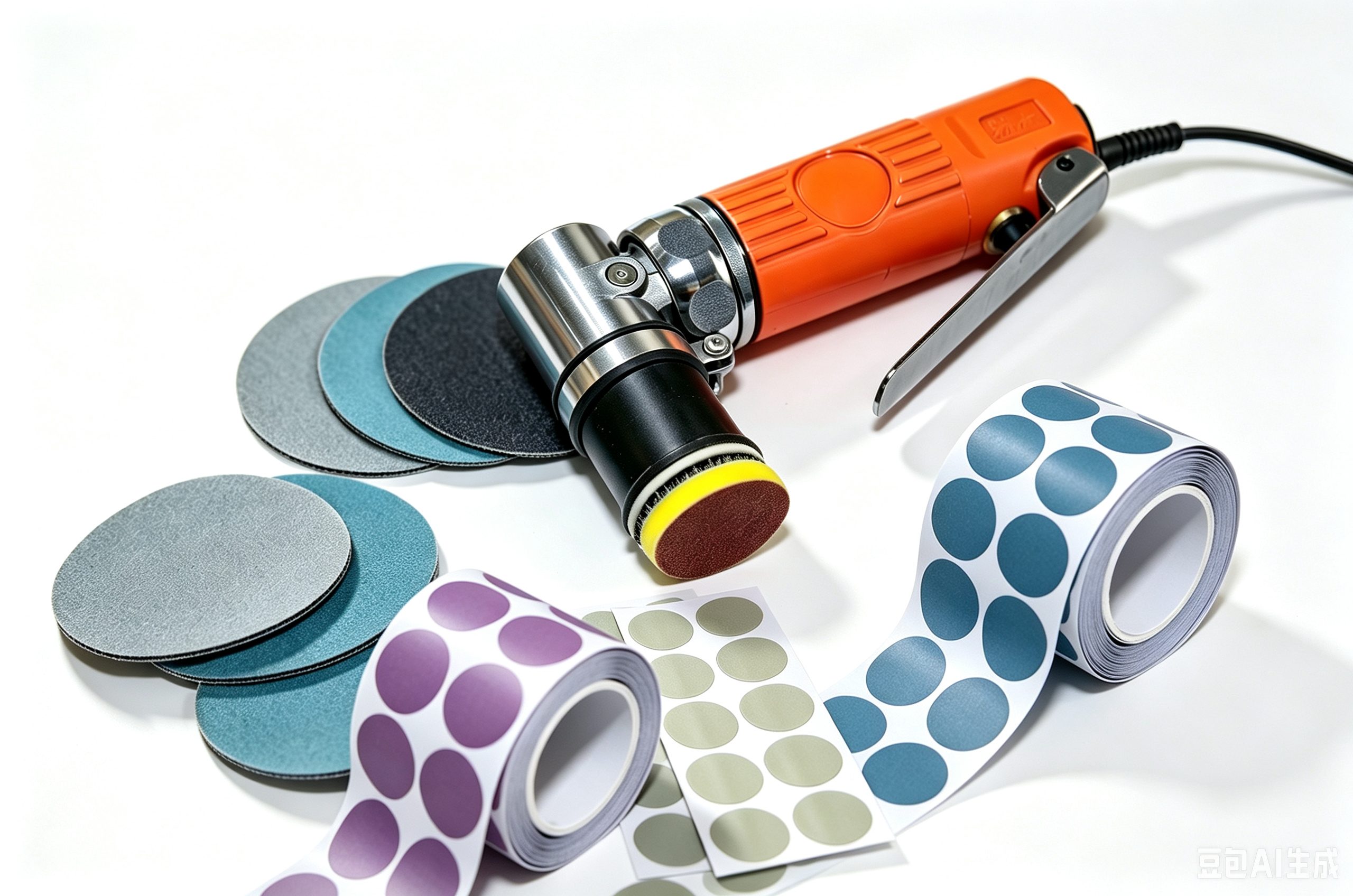
China's automotive refinishing sector is shifting gears, driven by rising vehicle parc, an aging car fleet, and increasingly sophisticated collision repair demands. Yet beneath the surface, margin pressures and environmental compliance are pushing workshops to rethink materials and processes. In this landscape, a quiet enabler is gaining attention: SHENZHEN SUN ABRASIVES. Known for precision abrasives that cut down rework time and boost finish quality, the brand is becoming part of the conversation around efficient, high-standard refinishing. This blog unpacks the key trends reshaping the aftermarket and where the real growth opportunities lie for those ready to adapt.
Why EV Body Shops Are Rewriting the Refinish Playbook
The old refinish routine—sand, prime, bake at 140°F, done—falls apart when the vehicle has a 900-volt pack running along its floor. EV body shops are swapping traditional bake cycles for low-temperature curing systems that stay under the battery’s heat limit, often around 120°F, while using structural adhesives and self-piercing rivets instead of welds on aluminum and mixed-metal panels. That alone forces a different sequence: isolate the high-voltage system, mask off battery vents, and check thermal sensors before any paint gun gets near the car.
Radar and lidar don’t care about a flawless gloss; they care about paint thickness and metallic flake orientation. A bumper cover sprayed like it’s 2015 can scatter sensor signals or create blind spots in the driver-assist system. Shops now pull OEM repair procedures for every panel near a sensor, measuring film build in microns rather than eyeballing coverage. Some shops are even moving to waterborne basecoats with tighter flake control and keeping dedicated spray booths just for ADAS-equipped corners.
Then there’s the training gap. A painter who can color-match a fender might not know how to safely disconnect a contactor or prevent a ground fault during sanding. Rewriting the playbook means every tech has to understand isolation points, use insulated tools, and recognize when a battery enclosure needs to be dropped before any heat work begins. The payoff, though, is real: shops that invest in these EV-specific refinish steps are getting repeat work from insurers and fleets that won’t trust a conventional shop with a damaged battery tray.
Waterborne Coatings Move from Compliance Headache to Margin Driver
For years, waterborne coatings were the box you had to tick to keep regulators off your back. The performance gaps in early formulations meant reformulating solvent-based lines into water-based ones often sacrificed hardness, chemical resistance, or application window. That trade-off made them a cost center, not a growth lever. But the chemistry has quietly closed those gaps, and the conversation in the lab is no longer about what you lose by switching—it’s about what you can charge for it.
The shift comes from advances in polymer architecture: self-crosslinking acrylics, polyurethane dispersions with better particle size control, and hybrid systems that combine the best of both. These aren’t just incremental tweaks. A well-formulated waterborne 2K polyurethane can now match or beat its solventborne counterpart in abrasion and gloss retention, while cutting VOCs by more than 80%. That performance parity changes the value proposition. Instead of selling a waterborne product as a concession, suppliers can position it as a premium option with lower environmental footprint and faster return-to-service times.
The margin story gets sharper when you look at total cost of ownership. Waterborne lines reduce the need for solvent recovery systems, cut insurance premiums tied to flammable storage, and simplify waste disposal. On the sales side, industrial buyers—especially in furniture, automotive refinish, and heavy equipment—are willing to pay more for coatings that help them hit their own sustainability targets without compromising durability. For manufacturers who invest in application-specific formulation support, waterborne coatings have moved from a defensive move to a deliberate margin expansion strategy.
Mobile Spray Services Are Eating Into Traditional Stall Time
Detailers who run mobile spray setups have started compressing the window that fixed stalls once relied on. A van can pull into an office carpark at nine, knock out three full exterior washes before lunch, then move to a residential block by two. The stall, by contrast, sits empty if no one books a slot, and every idle hour adds to rent and utilities without generating a single invoice. It is not that customers stopped wanting stalls; it is that the mobile operators made the stall's location and fixed hours feel like a constraint rather than a service.
The economics follow the route. Mobile sprays carry lower overheads, no waiting room to maintain, no landlord pushing for a lease renewal, and they can adjust pricing street by street. Traditional stall owners are being forced to compete on speed and convenience, but they are tied to a bay that cannot move. The result is a quiet erosion of the morning drop-off and afternoon pickup pattern that used to keep stalls busy. Once a neighbourhood has two or three mobile vans circulating weekly, the stall's appointment book starts to thin out in the middle of the day, and that lost time is almost impossible to recover.
Color-Matching Data Becomes the Aftermarket's New Currency
A decade ago, paint codes were just a convenience for body shops. Today, the precise digital mappings that tie a vehicle's original finish to a reproducible formula are treated like proprietary assets. Shops pay subscription fees for access to updated databases, and insurers factor color-matching accuracy into repair cost estimates. That shift has quietly turned spectral data into a tradable commodity.
The real value lies in how the data is maintained. Vehicles age, paint batches drift, and environmental exposure alters finishes in ways a static code can't capture. Companies that continuously measure real-world panels, catalog regional variations, and feed those readings back into lookup tools hold an edge. Technicians no longer just look up a formula; they rely on a living dataset that gets sharper with every repair.
This has reshaped relationships across the supply chain. Paint manufacturers strike licensing deals with data platforms, independent shops invest in spectrophotometers to capture their own readings, and some collision networks trade anonymized measurement logs for access to premium matching services. In a market where a slight mismatch means redoing a panel, the most current and complete color data commands real money—and it changes hands more often than many realize.
County-Level Demand Outpaces Tier-One Body Shop Saturation
In many counties, the relentless rise in vehicle registrations and daily miles driven has left the available collision repair capacity stretched thin. Whereas tier-one metropolitan markets often see an oversupply of well-equipped body shops competing for the same pool of insurance-referred work, county-level demand tells a different story. Drivers in these areas tend to rely more heavily on personal vehicles due to limited public transit, leading to higher accident frequencies per capita. The result is a persistent queue at local repair facilities, with wait times stretching days or even weeks longer than what urban customers typically experience. This mismatch isn't a temporary blip—it reflects structural shifts in where people live, commute, and insure their cars.
The saturation seen in top-tier cities obscures the uneven distribution of modern repair capability. While a dense metro area might have three certified shops within a ten-mile radius, a county with comparable population growth often has just one under-equipped facility handling everything from minor bumper scuffs to structural frame pulls. Insurers and fleet managers are beginning to notice that sending work to the nearest urban hub isn't always practical when a vehicle is disabled in a rural or exurban area. Towing distances balloon, cycle times increase, and customer satisfaction takes a hit. Meanwhile, county-based shops often lack the capital to invest in advanced driver-assistance system calibrations or aluminum repair training, further widening the capability gap.
This imbalance creates both a strain and an opportunity. Counties experiencing rapid housing development and an influx of younger families are seeing repair demand grow faster than any single-shop expansion can match. Body shop owners who recognize this pattern are starting to form regional networks, share specialized equipment, and cross-train technicians across multiple county locations. Without such adaptive measures, the gap will continue to widen—leaving drivers in these high-demand counties facing longer downtimes and forcing some to resort to substandard repairs simply to get back on the road. The tier-one saturation, in other words, is less a sign of industry health than a symptom of misallocated resources.
Paint Protection Films Blur the Line Between Refinish and Accessory
For years, paint refinishing lived in one corner of a shop and accessories in another. A respray meant collision work, while add-ons like all-weather mats or window tint were purely elective upgrades. Paint protection film sits awkwardly between the two. Installers apply it as an aftermarket product, yet its purpose is to preserve or even replace what a repaint would otherwise fix. Some body shops now keep film on hand for rocker panels and door edges, while film studios send clients to painters for deep chip repair before wrapping a hood. That crossover didn’t exist a decade ago.
Insurance paperwork makes the blur harder to ignore. A claim for a scuffed bumper might trigger an estimate for a full respray, but a growing number of adjusters approve film as a lower-cost alternative when the damage is limited to clear coat. Meanwhile, dealers sell film as a new-car accessory with its own warranty line, separate from any paint warranty. The same square foot of urethane that gets listed on a window sticker can later show up on a body shop invoice as a repair item. No one really owns the category.
Material advances push it further from classic vinyl wrap. Self-healing top coats, hydrophobic behavior, and gloss levels tuned to match factory clear coat make modern film act more like a sacrificial second finish than a sticker. Some installers call it a wet-applied clear bra; others describe it as removable clear coat. Whatever the label, PPF has carved out a third space that borrows from both refinish and accessory work without fully belonging to either.
FAQ
NEVs often use lightweight substrates like aluminum and composites, which require different primers and fillers than traditional steel bodies. In addition, many EV owners are more sensitive to color matching for custom finishes, pushing shops to invest in spectrophotometers and waterborne basecoats that can handle high-chroma colors without sacrificing durability.
Provincial and municipal rules, especially in the Yangtze River Delta and Pearl River Delta, have accelerated the shift from solventborne to waterborne and high-solids systems. Shops are adopting low-VOC clearcoats and UV-cured primers not just for compliance but also to reduce odor complaints in urban areas, creating a two-tier market where compliant products command premium pricing.
Insurers control a large share of collision repair claims and increasingly direct policyholders to approved bodyshops. These shops face pressure to control average claim costs, so they favor refinish systems that offer faster cycle times, lower material waste, and predictable color match on first application. This makes insurer partnerships a key battleground for coating brands.
Vehicle ownership is growing faster outside China's top-tier cities, but bodyshop density and technical training lag behind. Refinish suppliers that bundle products with color-matching tools, sprayout cards, and localized training can capture share in these underserved markets. Independent shops there often upgrade from low-cost local paints to mid-tier imported brands as customer expectations rise.
Handheld spectrophotometers and cloud-based color databases let smaller shops achieve factory-level match quality without years of mixing experience. This narrows the gap between independent garages and 4S dealerships, shifting competition toward service speed and customer convenience. Coating companies that offer free or low-cost digital tools gain loyalty from shops that would otherwise switch on price.
High-mileage fleet vehicles suffer more frequent minor collisions and tend to be repaired quickly with an emphasis on turnaround time rather than showroom finish. This has boosted demand for fast-curing primers, one-visit basecoat/clearcoat systems, and bulk packaging that reduces per-panel material costs. Fleets also favor fixed-cost maintenance contracts, which pushes repair shops toward predictable, low-waste refinishing processes.
Epoxy resins, titanium dioxide, and specialty solvents have seen volatile pricing, prompting distributors to hold leaner inventories and negotiate quarterly rather than annual contracts. Some bodyshops are switching to locally produced pigments and resins that meet performance specs but cost less than imported equivalents, accelerating a trend toward domestic substitution in the mid-market segment.
As used car sales become more transparent and standardized, dealers are investing in cosmetic reconditioning to lift resale values. This often includes spot repairs, bumper resprays, and full panel refinishing using high-gloss clearcoats that restore a like-new appearance. Refinish brands that offer small-batch mixing and quick spot-repair kits are well positioned to serve this growing niche.
Conclusion
The refinishing sector in China is no longer a sleepy corner of the aftermarket. Electric vehicle body shops are forcing a rethink of repair workflows, because battery packs and advanced driver-assistance sensors demand new masking, curing, and calibration steps that traditional painters never had to handle. At the same time, waterborne coatings have shifted from a regulation-driven annoyance to a genuine margin play—shops that master low-VOC application are cutting energy costs and winning fleet contracts. Mobile spray services are also chipping away at fixed-stall revenue, offering on-site bumper and panel repairs that bypass lease overheads.
Beneath these operational shifts sits a quieter battle over data. Color-matching libraries, fed by real-world repair photos and spectrophotometer readings, are becoming a tradable asset; a shop with a deep local database can price jobs faster and reduce rework. Demand is rising fastest in county-level markets, where tier-one cities are already oversupplied with body shops but smaller urban clusters still lack professional refinishing capacity. Meanwhile, paint protection film installers are edging into refinish territory, turning what used to be a clearcoat repair into an upsell for ceramic and urethane films. Together these forces point to a market where agility, data fluency, and service mobility will separate the winners from the legacy players.
Contact Us
Contact Person: Amanda Wang
Email: [email protected]
Tel/WhatsApp: +86-13602569854
Website: https://www.sunabrasives.com.cn