

Best Bathroom Bath Chair for Safe and Comfortable Bathing
2026-08-23
Stepping into the bathtub shouldn't feel like a risky adventure. For many, the bathroom is the most dangerous room in the house, but the right bath chair changes everything. It's not just about staying upright—it's about feeling secure enough to relax. That's where Suncare comes in. Whether you're recovering from surgery, managing mobility challenges, or simply planning ahead, a well-designed bath chair can preserve your independence and dignity. In the next few sections, we'll explore what separates a forgettable bath chair from one that genuinely improves your bathing experience.
A Seat That Doesn’t Slip When Wet
The contact surface is built with a fine, irregular grain that gives your weight something to bite into. Water beads and rolls off instead of pooling under you, which keeps the friction level consistent even when the seat is soaked.
Rather than relying on a smooth factory finish, the coating has a slightly tacky feel that only activates when moisture is present. That means dry rides stay comfortable while rainy days stay controlled, without any added roughness that could wear through clothing.
You’ll notice the difference most on longer sits or after a quick shower passes through—there’s no slow slide toward the front, no constant readjusting. Just a stable position that holds until you decide to move.
How High Should Your Bath Chair Really Be?
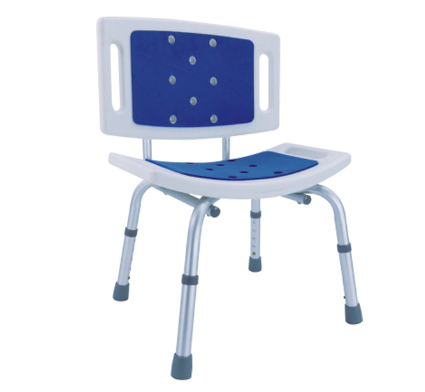
The ideal height for a bath chair isn't a one-size-fits-all number, but it starts with a simple measurement: the distance from the floor of your tub or shower to the back of your knee. When you sit, your feet should rest flat on the surface without your knees rising above your hips or dangling uncomfortably. A seat that's too low forces extra strain on your legs and back when you stand up, while one that's too high can make you feel unstable and reduce the leverage you need to push yourself upright.
Most standard bath chairs fall between 16 and 18 inches high, but adjustable models typically range from 14 to 21 inches, which covers the needs of most adults. If you have limited mobility, balance concerns, or joint pain, err on the side of a slightly taller seat—it reduces the distance you have to travel from sitting to standing. Conversely, if you're shorter or have hip flexion issues, a lower seat may let you keep your knees at a comfortable angle without pressure behind the thighs.
Before buying, test the height while seated with your feet flat and your hips level or slightly above your knees. Pay attention to how your back feels against the chair's backrest—good posture support means the height is working with your body, not against it. If you're between sizes, choose adjustability over a fixed frame, and remember that a shower bench with legs you can trim or extend offers the most personalized fit for your actual tub depth and leg length.
Materials That Won’t Get Slimy or Rusty
When you pick up a tool or kitchen gadget after months of sitting in a damp drawer, the last thing you want is a sticky film or orange flakes crumbling off. The usual suspects—bare steel, untreated cast iron, or cheap plastic—fail fast. But certain materials shrug off moisture, oils, and even mild acids without turning into a science experiment. Start with 316 marine-grade stainless steel: the added molybdenum makes it nearly immune to pitting from salt or chlorine, and it won’t develop that brownish haze you see on lesser alloys. For handles and casings, look for glass-filled nylon or PTFE-infused polymers. They don’t absorb water, so there’s no surface for biofilm to grab onto, and they won’t rust because they simply contain no iron.
Then there’s the quiet workhorse: titanium. It’s lighter than steel, completely rustproof, and naturally resists bacterial slime without any coating that can wear off. Anodized titanium goes a step further—the oxide layer is part of the metal itself, not a paint job. If you’re dealing with hinges or moving parts that need to stay smooth after wet-dry cycles, consider ceramic bearings or zirconia components. They don’t corrode, don’t need grease to avoid seizing, and wipe clean with just water. Even silicone deserves a mention: unlike rubber, it won’t break down into that tacky, grimy residue, and it never rusts because it’s an inorganic polymer. The trick is to match the material to the real-world exposure—not just “waterproof” claims on a label, but actual humidity, sweat, or cleaning chemical contact.
A lesser-known option is superaustenitic stainless steel, like 904L, which shrugs off sulfuric acid fumes and salt spray that would eat standard 304 in weeks. For budget-friendly projects, powder-coated aluminum works if the coating is a thermoset polyester—not a cheap acrylic—because the finish won’t chip or grow mold at the edges. But beware of “stainless” that’s really just chrome-plated zinc: once the plating scratches, the base metal corrodes underneath and leaves that slimy, white-green paste. In short, the best anti-slimy, anti-rust materials either have no iron at all, or they build their protection into the crystal structure—not as a fragile topcoat. Check the spec sheet for “passivation” on stainless, “marine grade” on aluminum, or “binder-free” on ceramics, and you’ll avoid the drawer full of regrets.
No-Tool Assembly That Takes Less Than Five Minutes
No bag of loose screws, no hex key, no page of exploded diagrams. The pieces are made to align, snap, or slide into place with clear feedback. You'll likely have the whole thing standing and ready before your coffee finishes brewing—often in under four minutes.
Instead of forcing connections, you line up the notches and the locking tabs take over. Every joint clicks when it's fully seated, so you're not guessing if something is too tight or about to wobble loose. The tolerances are tight enough that parts hold firm but still release cleanly when you want them to.
Breakdown is just as effortless. If you need to move it, clean behind it, or pack it away for a while, the unit comes apart in a couple of minutes and goes back together with zero new hardware. That's the real payoff: you spend less time fussing with tools and more time actually using the thing.
Backrests and Armrests: When Are They Worth It?
Whether a backrest or armrest is worth the extra bulk often comes down to how long you'll actually stay seated. A stool at a kitchen island, used for five-minute coffee breaks, rarely needs either — in fact, armrests can get in the way when you're sliding on and off. But a desk chair that supports you through eight-hour workdays is a different story. Here, a contoured backrest and adjustable armrests aren't luxuries; they're the difference between ending the day with a stiff lower back or feeling ready to cook dinner.
There's also a practical middle ground. If space is tight, look for chairs with narrower or flip-up armrests and lower-profile backs — they offer enough support for reading or casual lounging without visually dominating a small room. And for anyone with shoulder tension, elbow strain, or mobility issues that make standing up tricky, armrests can act as a helpful brace. The real question isn't whether these features are "good" in general, but whether your main activity and body will actually use them every day.
Quick-Dry Cushions and Other Comfort Upgrades
Sitting through a long workday or a rainy afternoon on the patio shouldn't leave you with that damp, clingy feeling. The quick-dry cushions in this line use a tightly woven outer shell that sheds moisture fast, while the open-cell foam core lets air circulate so the cushion feels fresh within minutes of being wiped down. Instead of waiting hours for traditional padding to air out, you can flip it over and get back to relaxing almost immediately.
Beyond the quick-dry feature, several other comfort upgrades make these pieces stand out. The seat base gets a slightly firmer edge to prevent that sinking, off-balance feeling when you first sit down, while the center stays plush enough for long reading sessions. The backrest angle has been nudged a few degrees more upright, which sounds minor but makes a real difference for anyone who's tired of constantly readjusting their posture. A hidden lumbar panel offers extra support without looking bulky from the outside.
The armrests also received attention: they're wider now, giving you a stable spot to prop up a tablet or a mug without that precarious teetering. And the fabric's texture has a slight brushed finish that feels softer against bare skin but still resists pilling after repeated use. Together, these tweaks turn a basic cushion into something you actually look forward to sinking into at the end of the day.
FAQ
Focus on a wide, slip-resistant seat, sturdy frame with rust-resistant materials, and adjustable legs so the chair sits level. Rubber tips on the feet matter more than most people expect—they keep the chair from sliding on wet tub floors.
Most standard chairs are rated for 250 to 300 pounds, but heavy-duty models go up to 500 pounds or more. Always check the manufacturer's rating and leave a buffer rather than pushing the limit.
For anyone with balance issues or limited upper-body strength, yes. Armrests give a stable point to push off from when sitting down or standing up, and a backrest reduces fatigue during longer showers.
Aluminum frames with anodized or powder-coated finishes resist rust well, and plastic seats are lightweight and easy to wipe down. Avoid untreated steel—it will corrode quickly even with regular drying.
Look for wide rubber or silicone feet with a slight suction effect, and make sure all legs are adjusted to touch the floor evenly. If the tub surface is textured, test the chair before full use because some foot designs grip less on rough finishes.
Most bath chairs work in both, as long as the stall is large enough to fit the base without blocking the drain. Measure the interior width and depth before buying—many chairs are narrower than they appear in product photos.
Wipe it down after each use and allow it to air dry. Once a week, use a mild bathroom cleaner on the seat and legs, paying attention to crevices where soap scum collects. Avoid abrasive pads that can scratch plastic and create places for mold to hide.
Yes, several models fold flat and can hang on a shower rod or rest against the wall. If storage space is tight, check the folded depth—some are still bulky because of fixed armrests or wide seats.
Conclusion
Finding the right bath chair comes down to trusting the little details that keep you steady and calm in a wet environment. A seat that grips the tub floor even when water and soap are swirling underneath makes a real difference, especially if balance is a concern. Just as important is getting the height dialed in so your knees aren't awkwardly high or your feet dangling. Look for chairs with adjustable legs that lock firmly into place, not the flimsy kind that wobble after a few uses. The material matters too—anodized aluminum frames with molded plastic seats won't develop that slimy buildup or ugly rust patches, and they're easy to wipe down after every shower. And if you dread complicated instructions, there are models that snap together without a single tool, so you can go from box to bath in under five minutes.
Once the basics are covered, comfort upgrades are what turn a practical chair into something you actually enjoy using. A backrest and armrests aren't always necessary, but they earn their place when you need extra support lowering yourself down or standing back up. If you spend longer in the bath, a quick-dry cushion can prevent that cold, clammy feeling of sitting on hard plastic, and it won't stay damp or smell musty between uses. Pay attention to drainage holes and textured surfaces, which keep water from pooling and reduce the chance of slipping. Taken together, the best bath chair is one that feels solid under you, stays clean with minimal effort, and lets you bathe without constantly bracing yourself. That combination of security and ease is what makes bathing something to look forward to rather than worry about.
Contact Us
Contact Person: Frank Chan
Email: [email protected]
Tel/WhatsApp: 0086-13924529088
Website: https://www.suncare-medical.com