

Barcode Wristband Printer Manufacturer: Key Features and Selection Tips
2026-06-26
Discovering a reliable barcode wristband printer manufacturer can transform patient safety and workflow efficiency. But with so many options, how do you pinpoint the one that truly fits? In this post, we’ll unpack the essential features—from crisp, long-lasting prints to intuitive software—and share practical selection tips. Plus, see why BAOBI stands out as a trusted partner in healthcare innovation. Ready to make a smarter choice?
The Secret Behind Crystal-Clear Barcodes
You’ve probably never stopped to think about why some barcodes scan on the first try, while others take a few swipes and a silent prayer. The real magic behind those crisp, instantly readable codes isn’t complicated software or expensive scanners—it’s all in the physical print. A crystal-clear barcode boils down to razor-sharp edges between the black bars and the white spaces. Even a hint of fuzziness, caused by ink bleeding or a low-resolution printer, confuses the scanning laser and turns a split-second beep into a manual entry headache.
The unsung hero in this equation is contrast. It’s not enough to have dark bars on a light background; the difference must be stark and consistent. Printing on reflective surfaces or textured labels can scatter light and reduce readability. That’s why professionals obsess over pigment density and surface smoothness, treating the barcode as a tiny, functional art print. Equally vital is the quiet zone—the blank margin around the code—which acts as a frame that tells the scanner where to begin and end. A missing or smudged margin is a common culprit behind scanning failures, yet it’s so easy to overlook during design.
Modern thermal transfer and high-inkjet technologies have made flawless barcodes more attainable than ever, but the secret still lies in the fundamentals. Regular maintenance, choosing the right substrate, and even environmental factors like humidity can make or break that perfect scan. Every crisp beep is a tiny testament to precision that most shoppers will never notice—but without it, the whole checkout dance would grind to a halt.
Wristbands That Withstand Anything the Day Throws at Them
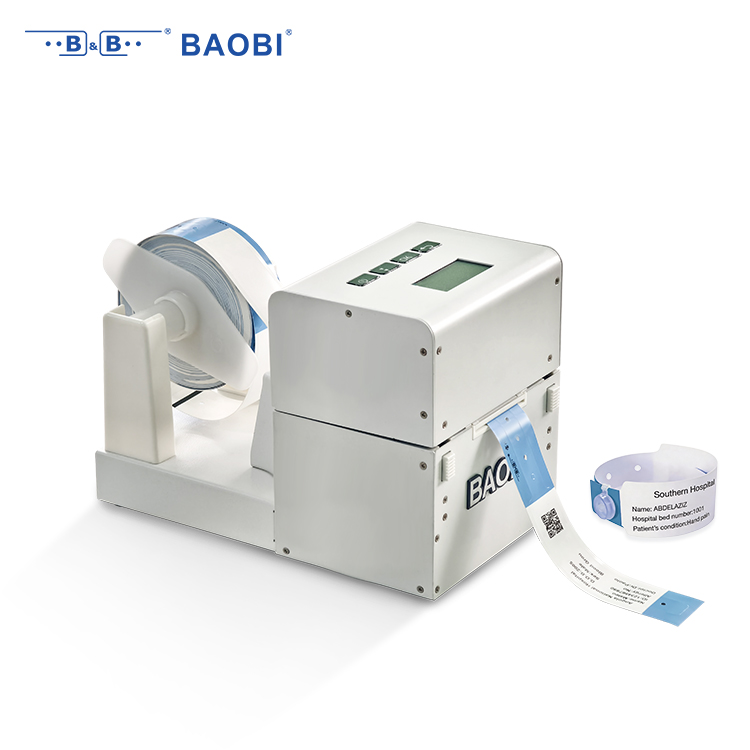
Some wristbands fade after a few wears, or worse—snap when you least expect it. These ones are built different. Crafted from a tough, flexible silicone that laughs off sweat, rain, and daily bumps, they keep their shape and color no matter what. You can stretch them, twist them, even dunk them in saltwater, and they’ll still look like you just unboxed them. No fraying, no peeling, no nonsense—just a band that actually keeps up with your life.
We all have that one accessory we never take off. It rides along through every workout, every meeting, every late-night cleanup. That’s where these wristbands shine. They’re lightweight enough to forget you’re wearing them, yet sturdy enough to handle the rough edges of a spontaneous hike or a clumsy coffee spill. The subtle texture on the inside keeps them from sliding around, so you’re not constantly adjusting. And the clasp? It’s a restrained, secure snap that doesn’t pinch or pop open accidentally.
Style matters, too. A band that survives everything but looks boring defeats the purpose. These come in a range of colors that actually stay vibrant—sunlight and chlorine won’t dull them. The matte finish resists scuffs, so that fresh-out-of-the-pack look lasts. Whether you’re dressing down or suiting up, it blends in effortlessly. A reliable, no-fuss companion that earns its spot on your wrist, day after day.
Quick Setup Without the Tech Headaches
Getting your project off the ground shouldn't involve wrestling with confusing configurations or deciphering cryptic documentation. Our platform strips away the complexity so you can jump straight into action. With pre-configured templates and smart defaults, you'll have a working environment spun up before your coffee gets cold. Just choose your stack, tweak a couple of settings if you feel adventurous, and let the automated setup do the rest. No terminal wizardry required.
We've hidden the heavy lifting behind an interface that actually makes sense. Automatic dependency resolution, one-click integrations, and sensible security defaults mean your deployment pipeline just works right out of the box. Spend your energy on building features, not untangling infrastructure knots. When you do want to customize, our layered settings let you go as deep as you need without ever breaking the seamless experience.
Forget scrolling through endless forums or waiting on support tickets. Our setup assistant guides you with plain-language explanations and real-time validation, catching potential snags before they happen. Whether you're spinning up a simple landing page or a multi-service application, you'll go from zero to live in minutes—without ever feeling like you need a computer science degree to get there.
Designs That Work as Hard as Your Team
Every element in our design language is crafted to pull its own weight, just like your most dependable team member. We don't do filler—every spacing choice, color shift, and interactive state has a job. If a component doesn't reduce friction or speed up a workflow, it gets cut. That discipline means your interface becomes a quiet engine that keeps tasks moving, never the bottleneck.
This isn't about looking pretty under perfect conditions. Our designs handle the messy, edge-case reality of daily work—truncated text, unexpected input, slow network speeds. They adapt without breaking, providing fallbacks that keep users in control. Think of it as the colleague who volunteers to handle the tricky client call: the design shoulders complexity so your people don't have to.
Collaboration is baked in, not bolted on. Components are built to pass context seamlessly between screens, remember preferences without nagging, and surface relevant actions only when needed. The result is a tool that feels like part of the team—anticipating next steps, sharing the mental load, and leaving more brainpower for work that actually matters.
Smart Spending That Pays Off Over Time
Dropping a little more cash upfront on things you use daily can feel painful in the moment, but it often saves you money in the long run. A sturdy pair of boots that lasts five winters instead of one, or a well-made kitchen knife that stays sharp for a decade, quietly adds up to fewer replacements and less waste. The key is separating the stuff you genuinely rely on from the impulse buys that just feel good to purchase.
It’s not only about physical goods, either. Putting money into learning a new skill or improving your health can pay back in ways that aren’t immediately obvious. A cooking class might trim your takeout budget forever; a gym membership that actually gets used could mean fewer medical bills down the line. These choices don’t scream “smart investment,” but their cumulative effect often outweighs any stock market dip or trendy side hustle.
Finding a Printer That Grows With Your Needs
A printer that adapts as your requirements evolve isn't just a convenience—it's a smart investment. You might start with basic document printing but soon find yourself needing to handle envelopes, labels, or even glossy photos. Look for a model that supports a wide range of media types and sizes right out of the box, but also one that can be expanded later. Modular paper trays, optional duplexing units, and the ability to add extra memory or connectivity features let you scale up without replacing the whole machine.
Equally important is software that keeps pace with your changing workflow. A printer with a robust, frequently updated driver ecosystem can unlock new functions over time, like mobile scanning enhancements or integration with cloud services you haven't adopted yet. Avoid models that force you into rigid, proprietary apps that might become obsolete. Instead, choose a device that supports open standards such as AirPrint, Mopria, or generic PCL/PostScript drivers, ensuring it will work seamlessly with whatever devices and operating systems you add down the line.
Don't overlook the physical footprint and build quality if you anticipate moving the printer or increasing its use. A sturdy frame, high monthly duty cycle, and accessible maintenance parts (like user-replaceable rollers or printheads) mean the machine won't falter just as your workload peaks. Some printers even allow firmware updates that improve speed or add new security protocols, effectively giving you a new device years after purchase. The right printer doesn't just meet today's requirements; it quietly opens doors to possibilities you haven't yet considered.
FAQ
A good wristband printer needs antimicrobial casing, fast print speeds, and the ability to handle synthetic materials that resist water and tearing. Look for direct thermal printing to avoid ink smudging, plus easy media loading so staff can swap rolls without frustration. Durability matters too—it should withstand constant use without jamming.
Prioritize speed and reliability. Printers that churn out at least 4 inches per second keep registration moving. Also check for a large media capacity—fewer roll changes mean less downtime. Some models have built-in sensors to detect wristband alignment, which cuts down on wasted supplies when things get hectic.
Synthetic materials like polyester or polypropylene are the go-to because they resist moisture, chemicals, and stretching. Direct thermal printers need a special coating that reacts to heat, so always match the wristband stock to your printer model. Some manufacturers offer tamper-evident adhesives for added security.
Very. USB and Ethernet are standard, but Wi-Fi and Bluetooth let you place the printer anywhere without cable clutter. In hospitals, wireless connectivity also reduces trip hazards. Make sure it supports your network's security protocols—WPA2-Enterprise is common in healthcare settings.
Regular cleaning of the printhead and platen roller prevents buildup that causes streaks. Use isopropyl alcohol wipes as recommended by the manufacturer. Also, keep the firmware updated to avoid glitches. If you hear grinding noises, it's time to check for debris or worn parts.
Most modern printers support standard protocols like ZPL or EPL, making them compatible with major EHR systems. Before buying, confirm the printer's command language matches your software. Some manufacturers offer SDKs for custom integration, but out-of-the-box compatibility is usually enough for typical workflows.
Factor in the cost of wristband media, replacement printheads, and any service contracts. Direct thermal printers save you from buying ink or toner, but printheads wear out after a certain number of inches. Also consider energy efficiency—some models have sleep modes that cut power use between prints.
Look for ISO certifications and healthcare-specific endorsements like FDA listing or CE marking. Read reviews from other hospitals, especially those with similar patient volumes. A trustworthy manufacturer will offer a trial period or demo unit so you can test the printer in your own environment.
Conclusion
A barcode wristband printer that delivers crisp, reliable scans starts with precision engineering you can see right on the wrist. The real difference lies in how consistently it handles fine details—sharp contrast, clean edges, and durable printheads that maintain quality during high-volume runs. Beyond the output, the wristbands themselves need to endure sweat, sanitizers, water exposure, and constant movement without fading or tearing. Look for materials and printing methods that bond the barcode into the media rather than sitting on top, so every scan stays accurate from admission to discharge.
But a printer that fights your workflow quickly becomes a bottleneck, so ease of setup and intuitive design matter as much as durability. The best options minimize IT involvement with driverless installation, simple media loading, and clear error indicators that non-technical staff can resolve in seconds. And while upfront cost is a consideration, smart spending means calculating total cost per wristband over months of use—fewer reprints, less waste, and lower maintenance all shift the math in your favor. Finally, think ahead: a platform that supports different wristband sizes, materials, and integration with evolving hospital systems ensures your investment adapts as your operations grow, rather than needing replacement in a year or two.
Contact Us
Contact Person: Bill Xu
Email: [email protected]
Tel/WhatsApp: 8618688898707
Website: https://www.baobitech.com/