

Airless Pump Bottle Supplier Guide for Quality Cosmetic Packaging
2026-08-04
In the competitive world of beauty and skincare, the packaging can be just as crucial as the formula inside. Airless pump bottles have revolutionized the way cosmetics are preserved and dispensed, offering unmatched protection against contamination and oxidation. But not all suppliers are created equal. This guide explores what to look for in a quality airless pump bottle supplier, with insights from Zhejiang Haitong Plastic Industry Technology Co., Ltd., a leader in innovative packaging solutions. Whether you're launching a new serum or revamping an existing line, the right partner can make all the difference.
Behind the Seal: What Separates a Superior Airless Pump from the Average
The seal in an airless pump isn't just a passive barrier; it's the heart of the mechanism, orchestrating a precise dance between vacuum generation and product evacuation. In a mediocre pump, the seal might be a simple plastic lip that degrades with each press, allowing air to creep in and compromise the formula. But in a superior design, the seal is an engineered piston with a meticulously calculated clearance and material pairing—often involving a soft, chemically inert elastomer hugging a rigid core. This creates a dynamic separation zone that flexes without fatigue, maintaining a true air-free path over thousands of cycles. It's the difference between a pump that merely functions and one that preserves the potency of retinol, vitamin C, or any oxidation-prone active right down to the last drop.
Beyond the primary seal, the backup measures speak volumes about the pump's integrity. Average pumps rely solely on the piston-body interface to keep air out, leaving a single point of failure. A superior airless pump integrates redundant sealing geometries: a secondary wiper beneath the piston that scrapes the cylinder clean, preventing product bypass and micro-air ingestion, and a hermetic closure at the stem base that locks out contaminants even when the actuator is at rest. These layers aren't immediately visible, but they become apparent in the silence of a pump that doesn't sputter or suck back after dispensing. The absence of a dip tube isn't just a cosmetic change—it's a fundamental shift that eliminates a common air entry pathway, demanding a flawless top-seal design to compensate.
Material science also separates the exceptional from the ordinary. Many pumps use generic polypropylene seals that can swell or leach when in contact with essential oils or silicones, gradually widening clearance gaps. The top-tier manufacturers turn to fluoroelastomers or proprietary TPE blends that remain dimensionally stable regardless of the formulation's aggressiveness. They also micro-texture the seal's contact surface to trap a uniform lubricating film of the product itself, reducing stiction without sacrificing separation. This borrowed principle from hydraulic systems means that the pump glides consistently from the first actuation to the last, without the catch-and-slip sensation that hints at a fatigued seal. Ultimately, a superior airless pump doesn't just protect the product—it transforms the user's tactile experience into a silent testament of engineering foresight.
Material Choices That Define Longevity and Formula Integrity
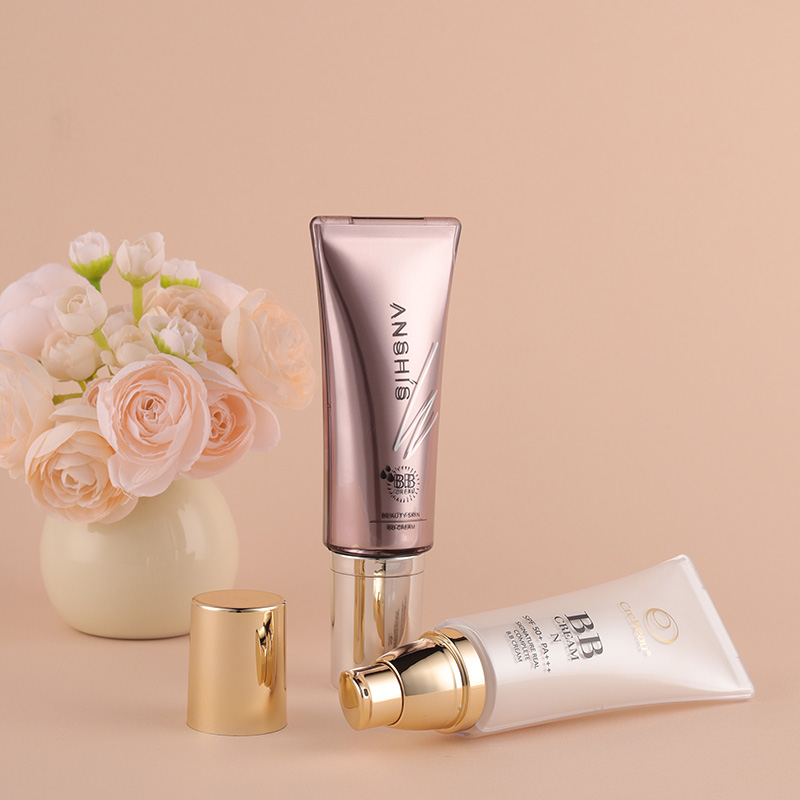
The materials you choose for packaging and application tools do more than just hold a formula—they actively shape how it behaves over time. Airless pumps, for instance, prevent oxygen from sneaking in and breaking down delicate actives, while dark violet glass acts as a natural filter to fend off UV damage. These aren’t just fancy upgrades; they’re deliberate decisions that keep a product’s potency intact from the first use to the last.
It’s easy to overlook the quiet chemistry between a serum and its container. Certain plastics can leach compounds that disrupt pH balance, or metals might react with acidic ingredients, turning a carefully crafted blend unstable. That’s why more brands are turning to medical-grade silicones or inert, recyclable aluminum—materials that refuse to interfere, allowing the formula to stay true to its original design.
Beyond preservation, the tactile feel of a component can reinforce a product’s reliability. A weighty, matte cap or a seamlessly smooth dropper signals care in construction, hinting that what’s inside has been guarded with the same attention. It’s this alignment between substance and enclosure that builds trust, silently assuring that the integrity of the formula isn’t just talked about but physically defended.
The Quiet Design Details Luxury Brands Swear By
There’s a certain magic in the barely-there stitching on a handbag, so fine you might overlook it. Yet, it’s this thread—often hand-waxed and triple-twisted—that whispers quality. Luxury brands don't just sew; they engineer seams to withstand decades without puckering, a quiet promise that the piece will outlive trends.
Consider the weight of a zipper pull, cast from a bespoke alloy and polished by hand until it feels cool and heavy. It’s not stamped; it’s molded, then buffed to a satin finish that won’t show fingerprints. The sound it makes, a solid click, is designed to convey security without a word.
Then there’s the lining—the last place anyone looks, but the first litmus test for a house. Often a tone-on-tone hue, it’s printed with a discreet monogram that aligns perfectly at the seams, despite the fabric’s nap. No glue, no rushing: only patience, because luxury knows that what’s hidden defines the soul of the object.
Sourcing Tactics to Avoid Costly Supply Chain Stumbles
Diversifying your supplier base is more than just having a Plan B. It’s about building a network of partners across different geographies and specialties, so a disruption in one region doesn’t leave your production lines idle. Look beyond the usual names and dig into mid-sized firms that might offer more flexibility and faster problem-solving. Regular, candid conversations with these suppliers can reveal potential hiccups long before they become full-blown delays. Instead of simply comparing prices, spend time on factory visits or virtual audits to understand their true capacity and financial health. That upfront effort pays off when they can ramp up or shift gears during a crisis, keeping your inventory flowing without costly air-freight scrambles.
Relying on a single logistics route or node is a gamble that rarely ends well. Smart sourcing means mapping out alternative entry ports, secondary transportation lanes, and even nearshoring options for critical components. When a storm closes a major port—or a labor dispute slows down a rail hub—having those alternatives already vetted cuts response time from weeks to hours. Contractual flexibility also matters: negotiate terms that allow you to redirect shipments or adjust order volumes without penalty when conditions change. Some companies are now embedding risk-sharing clauses that reward suppliers for maintaining buffer stocks or for early warnings about raw-material shortages, turning transactional relationships into collaborative buffers against shock.
Finally, weave a tight feedback loop between your sourcing team and the rest of the business. When sales forecasts shift or product designs change, that information must flow to suppliers instantly—not through a quarterly review. Simple tools like shared digital dashboards or weekly exception alerts help everyone pivot together. This transparency also reveals where you might be over-concentrated on a single supplier or region, giving you time to qualify new sources before you’re forced to. By treating sourcing as a continuous, company-wide conversation rather than a periodic purchasing task, you replace expensive firefighting with a steady, resilient rhythm that can absorb and adapt to the unexpected.
Customization Without Complexity: Where to Draw the Line
There’s a quiet thrill in tweaking a product until it feels just right. But that excitement can quickly sour when a hundred micro-decisions clutter the experience. The sweet spot sits somewhere between a blank slate and a rigid template—enough control to express intent, not so much that it demands a manual. Most users don’t want to design from scratch; they want to bend a thoughtful default until it aligns with their taste. Recognizing when to stop adding knobs and dials is what separates an empowering tool from an exhausting one.
The real art is in offering levers that matter, not just levers for the sake of it. A color picker or a spacing slider can feel like freedom, but stack too many and the interface becomes a chore. The best customizations often hide complexity behind a simple facade: a handful of curated presets, a smart default that learns, or a single toggle that bundles several nuanced changes. The goal isn’t to expose every parameter but to anticipate what a person is actually trying to achieve, then make that path effortless. If a feature requires a tutorial to use, it’s already lost its way.
There’s also a quiet confidence in saying “this is enough.” It’s tempting to chase edge cases, adding niche options for the loudest voices, but that can dilute the core experience for everyone else. Drawing the line means protecting simplicity from the slow creep of feature requests. It’s not about denying flexibility—it’s about defending the person who just wants to get something done without an engineering degree. When customization feels invisible, like the product simply understood what you meant, you’ve found the right balance.
Sustainability Meets Function: Eco-Forward Options Worth Considering
When design choices reflect a commitment to both the planet and daily practicality, something interesting happens: the products we use start to feel more intentional. Eco-forward options no longer force you to compromise on performance or aesthetics. From biodegradable phone cases that can take a drop as well as any plastic rival, to kitchenware made from reclaimed ocean plastics that withstands high heat, functionality is baked right in. These pieces prove that sustainable living doesn’t have to be a sacrifice—it can be a seamless upgrade to your routine.
What sets these options apart is their quiet attention to real-life needs. A backpack stitched from recycled fibers isn’t just a statement about waste reduction—it’s also water-resistant, with padded compartments that protect your laptop. Plant-based detergents now come in concentrated formulas that clean as effectively as conventional ones, minus the harsh chemicals. The common thread is thoughtful engineering that prioritizes longevity, repairability, and the kind of tactile pleasure that makes you reach for an item again and again.
Choosing such products becomes a gentle act of rebellion against throwaway culture. They invite a deeper sense of connection—knowing where materials came from, how they were made, and that they’re designed to stick around. In a market flooded with greenwashed claims, the real standouts are those that align sustainability with genuine utility. They don’t just look good on a shelf; they earn their place in your life through everyday excellence.
FAQ
Airless pump bottles remove the need for a dip tube and instead use a piston-driven vacuum system. This minimizes product oxidation and contamination because the formula never comes into direct contact with air. It also allows near-complete evacuation, reducing waste. For brands, it means a longer shelf life without relying heavily on preservatives, which appeals to clean beauty advocates.
Request detailed cross-sectional diagrams of the pump mechanism, focusing on the piston seal and check valve integrity. Ask for real-world challenge test data, not just theoretical barrier claims. A trustworthy supplier will share video demonstrations of dye migration tests where colored liquid on the piston side never reaches the product chamber after repeated actuation. Field references from brands using the same pump for oxygen-sensitive ingredients also carry weight.
For vitamin C or retinol serums, an inner container of high-grade polypropylene (PP) with an EVOH barrier layer works well. The outer bottle can be acrylic for aesthetics, but the inner pouch or piston chamber should avoid materials that leach or react. Some suppliers use a glass inner cartridge inside a decorative shell for ultra-sensitive formulas. Always request migration testing certificates for the specific formula and material pair.
Yes, but it requires careful engineering. The actuator's stroke length and return spring force must stay within the pump's designed parameters, otherwise you risk inconsistent dosing or lost prime. A capable supplier will have a library of validated actuator heads and can run finite element analysis on custom shapes to ensure they don't deform under repeated use. Prototyping with clear outer bodies helps spot seal failures early.
At minimum, they should comply with ISO 22715 for primary packaging or ASTM D4040 for package durability. Specific to airless pumps, look for tests covering actuation force consistency over 1,000+ cycles, leak tests under vacuum and elevated temperatures (often -20°C to 50°C), and drop impact tests on filled packs. A supplier serving the EU market should also provide EU 10/2011 compliance for food contact materials.
Negotiate a trial run of 500–1,000 units using existing stock components before committing to custom molds. Some suppliers offer 'fast track' services where you share molds with another brand to split costs. Alternatively, ask if they have a ready-to-buy sample archive of previously produced actuator-bottle combinations that match your desired look, bypassing new mold fees entirely for initial market testing.
Be wary if they cannot explain the difference between a true airless piston pump and a spring-based vacuum system. A lack of in-house microbiological testing capability is another warning sign—they should be able to discuss sterility assurance levels. Also, vague answers about the recyclability of their multi-material pumps often hide use of mixed plastics that make disassembly impossible. Finally, if their sample shows visible piston wobble or uneven dispense volumes, steer clear.
The most critical element is a local or regional technical contact who can visit your filling line and adjust torque settings or assembly jigs. Without this, minor compatibility issues become halt-the-line crises. Also, ensure they stock buffer inventory of critical components like pistons and seals in a warehouse near your co-packer, and that they formally document any material or process change at least 90 days before implementation.
Conclusion
In the competitive world of cosmetic packaging, an airless pump bottle is more than a container—it's a precision tool for preserving formula integrity. The difference between a standard pump and a superior one lies in the engineering behind the seal: a truly airtight vacuum system prevents backflow and oxidation, keeping active ingredients stable far longer than conventional packaging. Material selection is equally critical; high-grade PP or glass paired with metal-free pathways ensures compatibility with sensitive serums, while chemically resistant components guard against corrosion and leaching. Luxury brands obsess over the subtle details that elevate user experience—the hushed, smooth actuation that feels deliberate, the ergonomic collar that fits naturally in the hand, and a consistent dose with every press. These refinements require suppliers who view pump dynamics as an art, not just assembly.
Sourcing these components demands a strategy that sidesteps supply chain pitfalls: vetting suppliers for ISO certifications, consistent tolerances, and transparent lead times prevents costly recalls and production halts. Customization is where many brands stumble—choosing a stock mold with tailored surface finishes or unique collar colors can achieve distinctiveness without the minimum order quantities and delays of full custom tooling. Finally, sustainability is no longer optional. Forward-thinking suppliers now offer post-consumer recycled resins, monomaterial designs for easier recycling, and refillable airless systems that marry eco-ethics with premium functionality. By balancing these elements, brands secure packaging that performs as beautifully as the formulas it protects.
Contact Us
Contact Person: Kara Yang
Email: [email protected]
Tel/WhatsApp: 8618857568397
Website: https://www.haitongplastic.com/